
Safety Rate
Male infertility means a man has trouble helping his partner become pregnant after a year of trying without success. It happens when there is a problem with sperm count, sperm movement, or sperm shape. At Fatima IVF Fertility & Women’s Centre, we see many couples where the male partner plays a bigger role in the delay than they expect, and understanding this early makes a real difference. Looking into Male Infertility Treatments early gives couples more options and a clearer path forward. This condition is common, and it is often manageable once the exact cause is found.
Several factors can affect a man's fertility, and often more than one cause is present at the same time.
Finding the right cause is the first step toward the right treatment plan.
Many men with fertility problems do not notice any symptoms at all, which is why testing matters.
If any of these signs show up, it is worth getting checked rather than waiting.
Couples should consider a visit if they have not conceived after twelve months of trying, or after six months if the woman is over 35. Men who notice testicular pain, swelling, or a family history of fertility issues should not wait that long. At our centre in Chennai, we make it simple for couples across the city, including Anna Nagar and nearby areas, to book a consultation and start testing without long delays. Early evaluation often means simpler, faster treatment later on. A short conversation with a specialist can clear up a lot of uncertainty.
Diagnosis starts with a conversation and a few straightforward tests. Our team walks each patient through every step so nothing feels confusing or rushed. Most men complete the full diagnostic process within a few visits.
The first step is a detailed conversation about health history, past surgeries, and lifestyle habits like smoking or heavy drinking. The doctor also asks about any childhood illnesses, since some, like mumps, can affect fertility later in life. A physical exam checks the testicles for size, shape, and any swelling or lumps. This exam is quick and painless, and it often gives useful clues before any lab test is done. Being open and honest during this conversation helps the doctor build an accurate picture.
Semen analysis is the main test used to check sperm count, movement, and shape under a microscope. A man usually provides a sample after two to five days of no ejaculation, which gives the most accurate reading. The lab checks how many sperm are present, how well they swim, and whether they are shaped normally. Sometimes the test is repeated after a few weeks, since sperm counts can naturally shift over time. This single test often gives more information than any other part of the workup.
Hormones control how the body makes sperm, so a simple blood test checks levels of testosterone and other related hormones. Low or high levels can point to a problem in the brain, pituitary gland, or testicles. This test is especially useful when semen analysis shows a very low sperm count. Correcting a hormone imbalance can sometimes restore normal sperm production without any other treatment. The blood draw takes only a few minutes and results are usually ready within a couple of days.
An ultrasound of the scrotum can show varicoceles, blockages, or other structural issues that a physical exam might miss. It is a painless scan that takes about fifteen to twenty minutes. In some cases, a pelvic or transrectal ultrasound is used to check for blockages closer to the prostate. These images help the doctor decide whether surgery or another treatment path makes sense. Imaging often confirms what other tests only suggest.
Genetic testing is recommended when sperm count is extremely low or absent, since some causes are linked to genetic conditions. A simple blood sample checks for chromosome issues or specific gene changes that affect fertility. This test also helps predict whether a man's sons might inherit the same condition. Knowing the genetic picture helps guide decisions about treatment, including whether donor sperm might be a better path. Genetic counselling is offered alongside this test so results are easy to understand.
Once the cause is clear, a treatment plan is built around what will help the most. Male Infertility Treatments can range from simple medication to minor surgery, depending on what the tests reveal. Most men respond well once the right approach is chosen.
Certain medications can boost sperm production or correct underlying issues that lower fertility. These are often the first line of treatment when hormone levels or mild infections are the cause. A course usually runs for a few months, since sperm takes about seventy to ninety days to fully develop. Follow-up semen tests track whether the medication is working. Many men see a noticeable improvement in sperm count without needing surgery.
When blood tests show low testosterone or other hormone imbalances, hormone therapy can help restore normal sperm production. Treatment may involve injections, gels, or tablets, chosen based on what the body needs. Regular blood tests during therapy make sure hormone levels stay in a safe, healthy range. This approach works well for men whose infertility stems from a hormonal, rather than structural, cause. Results are usually checked every few months through repeat semen analysis.
Infections in the reproductive tract can lower sperm quality or block normal sperm flow. A course of antibiotics, chosen based on the specific infection, clears the problem and often restores normal fertility. Treatment usually lasts one to two weeks, and partners may also need treatment to avoid reinfection. Semen quality is rechecked a few weeks after finishing the antibiotics. This is one of the more straightforward and successful Male Infertility Treatments available.
Surgery is considered when a physical blockage or structural issue is stopping sperm from reaching semen. Modern surgical techniques are minimally invasive, with small incisions and short recovery times. Most procedures are done as day surgery, meaning the patient goes home the same day. Surgery is only recommended after other options have been reviewed and discussed with the patient. Recovery instructions are given clearly so healing goes smoothly.
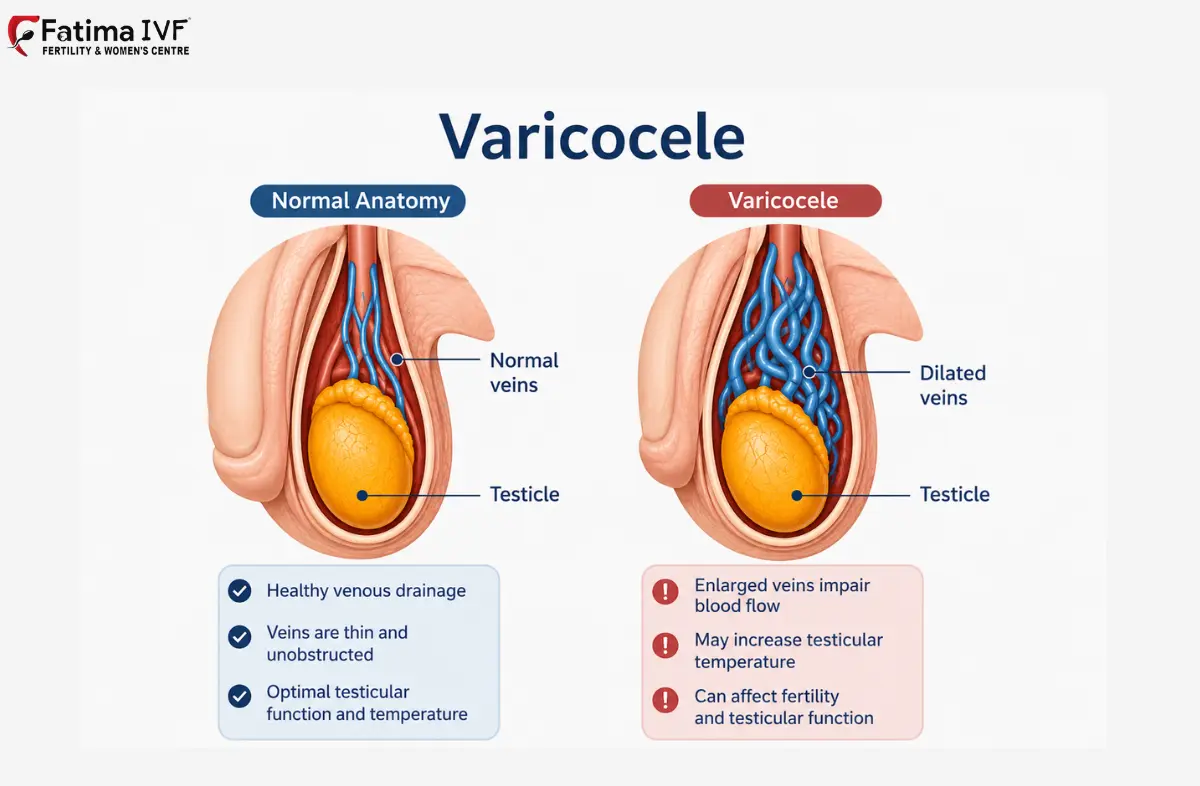
A varicocele is a common, treatable cause of low sperm count and poor sperm movement. Surgical repair, called varicocelectomy, closes off the swollen veins and improves blood flow to the testicle. The procedure usually takes under an hour and patients often return to normal activity within a week. Sperm quality typically starts improving three to six months after surgery. Many couples go on to conceive naturally after this simple fix.
Blockages in the tubes that carry sperm can be repaired with microsurgery in many cases. The surgeon reconnects or clears the blocked section so sperm can flow normally again. Success depends on where the blockage is and how long it has been present. When repair is not possible, sperm can still be retrieved directly for use in fertility treatment. This gives men with blockages a real path to biological fatherhood.
When natural conception is unlikely, assisted reproductive treatments offer a reliable way forward. These Male Infertility Treatments are chosen based on sperm quality, count, and the couple's overall fertility picture. Our team explains each option clearly so couples can choose what feels right for them.
IUI places specially prepared sperm directly into the uterus around the time of ovulation. It is a simple, low-cost procedure that works well for mild male fertility issues. The process takes only a few minutes and causes little to no discomfort. Success depends on sperm quality and the woman's fertility health, so it is usually tried before more advanced options. Many couples complete a few cycles before moving to another treatment if needed.
IVF involves combining eggs and sperm outside the body in a lab, then placing the resulting embryo into the uterus. It is recommended when sperm count or movement is too low for IUI to work well. The process involves egg retrieval, fertilization, and embryo transfer, spread across a few weeks. IVF gives the embryology team more control over fertilization, which improves the chances of success. This option is often combined with other techniques for the best result.
ICSI is a specialized form of IVF where a single healthy sperm is injected directly into an egg. It is especially helpful when sperm count is very low or sperm movement is poor. This technique bypasses many natural barriers to fertilization, giving even weak sperm a chance to succeed. ICSI is performed by trained embryologists under a microscope with great precision. It has become one of the most effective options for severe male infertility.
When sperm is not present in the ejaculate, it can often be retrieved directly from the testicle or epididymis through a minor procedure. Techniques such as TESA and PESA are done under local anesthesia and take less than an hour. Retrieved sperm is then used immediately or frozen for future ICSI cycles. This option gives men with blockages or very low production a real chance at biological parenthood. Recovery is quick, usually within a day or two.
When a man's sperm cannot be used, donor sperm offers another path to parenthood. Donors are carefully screened for health and genetic conditions before their sperm is approved for use. Couples receive full counselling to help them make this decision with confidence and clarity. Donor sperm can be used with IUI or IVF, depending on what suits the couple best. This option is discussed only when the couple wants to explore it.
Daily habits play a real role in sperm health, and small changes often bring noticeable results. These lifestyle shifts work well alongside medical treatment, not as a replacement for it.
Extra body weight can lower testosterone and affect sperm production. Losing even a small percentage of body weight can improve hormone balance and sperm count. A steady, gradual approach works better than fast weight loss, which can sometimes backfire. Regular check-ins with a doctor help track progress alongside fertility testing. Weight management is often one of the simplest changes with a real impact.
A balanced diet full of fresh, whole foods supports healthy sperm production.
Cutting back on processed food and added sugar also supports overall reproductive health.
Moderate exercise improves blood flow, supports healthy hormone levels, and helps maintain a healthy weight. Activities like brisk walking, swimming, or cycling for thirty minutes most days are ideal. Very intense or excessive exercise, on the other hand, can sometimes lower fertility, so balance matters. Building a consistent routine works better than occasional intense workouts. Exercise also helps reduce stress, which supports fertility in another way too.
Smoking lowers sperm count and damages sperm shape, while heavy alcohol use affects hormone levels. Recreational drug use can interfere with sperm production and overall reproductive health. Cutting these habits, even a few months before trying to conceive, gives sperm time to recover. Support is available for men who find it hard to quit on their own. These changes benefit overall health, not just fertility.
High stress levels can affect hormone balance and lower sperm quality over time. Simple habits like regular sleep, relaxation techniques, or light physical activity help manage stress. Aiming for seven to eight hours of sleep each night supports healthy hormone production. Couples going through fertility treatment often find stress management helps them cope with the process too. Small, steady changes in daily routine make the biggest difference over time.
Sperm production works best at a temperature slightly below normal body temperature. Frequent hot baths, saunas, or placing a laptop directly on the lap can raise scrotal temperature and affect sperm count. Tight underwear can also trap heat, so looser options are often recommended. These are easy habits to adjust once a man is aware of them. Over a few months, avoiding excess heat can support better sperm quality.
Along with medical treatment, natural steps can support better sperm health over time.
Certain foods are linked to better sperm count and movement. Zinc-rich foods like pumpkin seeds and legumes support healthy sperm production. Foods high in vitamin C and E, such as oranges and almonds, help protect sperm from damage. Folate-rich foods like spinach and lentils also play a role in healthy sperm development. A varied, whole-food diet generally works better than focusing on any single food.
Some men benefit from supplements like zinc, folic acid, vitamin D, or coenzyme Q10, especially if their diet lacks these nutrients. It is best to check with a doctor before starting any supplement, since more is not always better. Blood tests can identify specific deficiencies worth addressing. Supplements work best as part of a wider plan that includes diet and lifestyle changes. Consistency over a few months matters more than any single dose.
Sperm count and motility often improve together when diet, exercise, and habits are adjusted at the same time. Since sperm takes about three months to develop, changes need time before results show up in testing. Avoiding heat, smoking, and excess alcohol supports both count and movement. Regular semen analysis helps track whether these changes are working. Patience and consistency matter more than any quick fix.
Because sperm takes roughly seventy to ninety days to fully mature, most lifestyle and dietary changes need at least three months to show a clear effect. Some men notice improvement sooner, while others take a bit longer depending on the starting point. Regular follow-up testing helps track real progress rather than guesswork. Combining natural steps with any prescribed treatment usually gives the best results. Staying consistent during this window matters more than rushing the process.
Success rates for Male Infertility Treatments vary depending on the cause, the chosen treatment, and how early it was started. Many couples achieve pregnancy through a combination of medical treatment and assisted reproductive technology.
Several factors influence how well treatment works, including the exact cause of infertility, sperm quality, and the age and fertility health of the female partner. Overall health, lifestyle habits, and how quickly treatment begins also play a role. Couples who follow through with the full treatment plan generally see better outcomes. Every case is different, so results are discussed openly and honestly with each couple. Realistic expectations, set early, help couples feel more confident through the process.
Younger couples, and those with mild fertility issues, often see quicker results with simpler treatments. As age increases, especially for the female partner, treatment may need to move toward IVF or ICSI sooner. Conditions like severe sperm count issues may need surgical retrieval combined with ICSI for the best chance. Each couple's plan is built around their specific test results rather than a one-size-fits-all approach. This personalized approach generally leads to better, more realistic outcomes.
Simple cases, such as an infection treated with antibiotics, may resolve within a few weeks. Hormone therapy or lifestyle-based treatment often needs three to six months to show full results. Surgical treatments like varicocele repair may take three to six months before sperm quality improves. Assisted reproductive treatments like IVF or ICSI typically take four to six weeks per cycle. The full timeline depends on the cause and how the body responds along the way.
Understanding cost helps couples plan ahead with confidence. Our team provides a clear breakdown before any treatment begins, so there are no surprises later.
Cost depends on the type of treatment needed, the number of diagnostic tests required, and whether medication or surgery is involved. Assisted reproductive treatments generally cost more than medication or minor procedures. The number of cycles needed can also affect the total cost. A personalized consultation gives couples a realistic estimate based on their specific situation. Being upfront about cost from the start helps couples plan without added stress.
Basic diagnostic tests like semen analysis and hormone testing are relatively affordable and often the first expense in the process. Medications for hormone therapy or infections add a modest monthly cost, depending on the specific prescription. Imaging tests, such as ultrasounds, are priced separately and are usually a one-time cost unless repeat scans are needed. Genetic testing tends to cost more due to the specialized lab work involved. A full cost breakdown is shared before testing begins.
IVF and ICSI are more involved procedures, so they carry a higher cost than medication or minor surgery. Costs cover egg retrieval, lab fertilization, embryo culture, and the embryo transfer itself. Additional costs may apply for embryo freezing or extra cycles if the first attempt does not succeed. Many couples find it helpful to plan for at least one additional cycle when budgeting. Our team walks through the full cost structure clearly before treatment starts, so couples can make an informed choice.
Male infertility can feel overwhelming, but it is a manageable condition with many effective paths forward. From simple lifestyle changes to advanced procedures like ICSI, today's Male Infertility Treatments give most couples a real chance at parenthood. At Fatima IVF Fertility & Women's Centre, Dr. Fathimunissa and her team guide every couple through diagnosis and treatment with care and clear communication. If you and your partner are facing fertility challenges, reaching out for an evaluation is a strong first step. With the right plan and support, many couples go on to build the family they hope for.
Meet our experienced team of anaesthesiologists dedicated to your safety and comfort
Low sperm count and poor sperm movement are the most common causes, often linked to varicocele, hormone imbalance, or infection.
Yes, most cases can be treated through medication, surgery, or assisted reproductive techniques like IUI, IVF, or ICSI, depending on the cause.
Simple cases may improve within weeks, while hormone or surgical treatments often take three to six months to show full results.
Not always. Many men respond well to medication, hormone therapy, or surgery before IVF or ICSI is ever needed.
Yes, healthy weight, a balanced diet, regular exercise, and avoiding smoking or excess heat can meaningfully improve sperm count and movement over a few months.
Cost varies by treatment type, from affordable diagnostic tests and medication to higher-cost procedures like IVF or ICSI. A consultation provides a clear estimate.
Take the first step toward parenthood. Book an appointment with our expert team to receive expert guidance, emotional support, and advanced fertility solutions designed just for you.