
Safety Rate
IVF or In Vitro Fertilization, is a medical method to help with pregnancy. Doctors perform IVF when natural conception is difficult or not possible.
Here are the common reasons why people choose IVF:
Dr. Fathimunissa explains each reason in simple terms so you know exactly why IVF is suggested for your unique situation.
Many people worry about time. The truth is, one full cycle of IVF takes about 4 to 6 weeks from start to finish. But this does not mean you are at the clinic every day.
Here is a simple breakdown of the timeline:
Dr. Fathimunissa will give you a clear calendar so you know what to expect each week.
Some patients ask about IUI first. IVF and IUI are two different paths to pregnancy, and knowing how each one works helps you decide which suits your body best.
| Feature | IUI (Intrauterine Insemination) | IVF (In Vitro Fertilization) |
| Where fertilization happens | Inside the woman's body | Outside the body, in a lab |
| Who it works best for | Mild sperm issues, unexplained infertility | Blocked tubes, severe sperm issues, older age |
| Success rate per cycle | Lower (5% to 15%) | Higher (40% to 60% for younger women) |
| Need for injections | Minimal or oral medicines | Regular injections for 10 to 14 days |
| Cost per cycle | Lower | Higher, but better results per attempt |
The simple rule: IUI is often tried first for simple cases. IVF is recommended when IUI fails or when there are complex issues like blocked tubes or low egg count. Dr. Fathimunissa will never push you into IVF unless it is truly the best option for you.
Dr. Fathimunissa follows a clear, step-by-step process so you never feel lost. Here is what happens at Fatima Fertility
You sit with Dr. Fathimunissa in a private room. She asks about your medical history, past pregnancies, and any previous treatments. You then take a few basic tests:
Based on your reports, Dr. Fathimunissa creates a plan just for you. She explains how many days of injections you need and when to come for scans.
You take small daily injections at home. Every 2 to 3 days, you visit the clinic for a quick ultrasound. This helps Dr. Fathimunissa see how the eggs are growing.
When the eggs are ready, you come to the clinic for a 20-minute procedure. You receive mild sedation so you feel no pain. A thin needle collects the eggs from your ovaries.
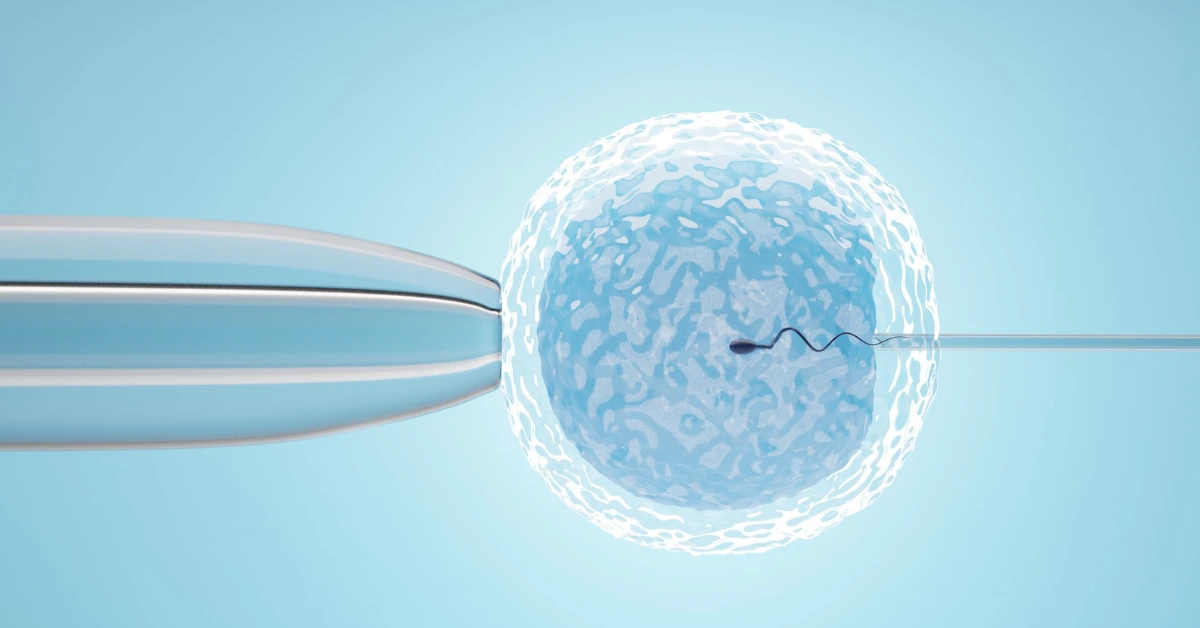
Your eggs and your partner's sperm are placed together in a special dish. The lab team watches as fertilization happens. In some cases, a single healthy sperm is injected directly into the egg. This is called ICSI.
The fertilized egg (now called an embryo) grows in the lab for 3 to 6 days. Dr. Fathimunissa and the embryologist pick the best-looking embryo for transfer.
You do not need sedation for this. Dr. Fathimunissa uses a soft, thin tube to place the embryo into your uterus. It feels like a simple medical exam. You rest for a few minutes and then go home.
You wait 10 to 14 days. During this time, you take medicines to support your uterus. Then you return for a simple blood test to check for pregnancy.
Every medical treatment has two sides. Dr. Fathimunissa believes in being honest so you can make an informed choice.
Note: Dr. Fathimunissa takes every precaution to avoid serious risks. Most patients describe the experience as manageable, not painful.
One of the best things about IVF is that recovery is quick. You do not need bed rest for weeks.
Most women feel hopeful but nervous during the two-week wait. Dr. Fathimunissa suggests:
Success depends on your age and health. Dr. Fathimunissa provides honest, clinic-specific numbers based on real results at Fatima Fertility.
General success rates per IVF cycle (live birth):
What makes Dr. Fathimunissa's care different?
She does not promise 100% success because that would be dishonest. But she promises to give you her complete medical skill and emotional support.
You should reach out to Dr. Fathimunissa or her nursing team if you experience any of these during treatment:
For routine questions like "When should I take my next injection?" or "Can I eat this food?" – you can call the clinic during working hours. The team responds quickly.
Outside of these situations, most IVF cycles go smoothly. Dr. Fathimunissa gives you her direct contact for urgent matters because she believes in being there when you need her most.
Choosing the best IVF treatment in Chennai means finding a doctor who combines medical knowledge with genuine care. Dr. Fathimunissa at Fatima Fertility offers exactly that. She explains everything in simple words, walks with you through each small step, and never hides risks or realities. Whether you are just starting to think about IVF or have faced failed cycles elsewhere, you will find a respectful, honest, and skilled partner in Dr. Fathimunissa.
If you are ready to take the next step, call Fatima Fertility today. Meet Dr. Fathimunissa, ask all your questions, and let her create a personal plan for your family journey.
Meet our experienced team of anaesthesiologists dedicated to your safety and comfort

Director

SENIOR EMBRYOLOGIST

JUNIOR EMBRYOLOGIST

FERTILITY COUNSELLOR
The IVF process generally lasts 4–6 weeks. Clinics offering the Best IVF Treatment in Chennai tailor this duration to each individual’s fertility condition and cycle response.
Yes, but success rates decline with age. Clinics offering the Best IVF Treatment in Chennai and Best IVF Treatment in Annanagar often recommend donor egg programs to increase the likelihood of pregnancy for women above 38.
The Low cost IVF Treatment in Chennai ranges between ₹90,000 and ₹1.5 lakh per cycle. Clinics providing the Best IVF Treatment in Triplicane offer flexible EMI plans and transparent pricing, ensuring affordability for all families.
Take the first step toward parenthood. Book an appointment with our expert team to receive expert guidance, emotional support, and advanced fertility solutions designed just for you.