
0 +
Years of Experience
0 +
Expert Doctors
0 %

Safety Rate

0 /7
Emergency Care

Hysteroscopy Services

Comprehensive Hysteroscopy care with advanced monitoring and safety protocols

Women’s reproductive health deserves precision, comfort, and trust — and that’s exactly what the Best Hysteroscopy Treatment in Chennai delivers. Using state-of-the-art technology and minimally invasive techniques, hysteroscopy allows gynecologists to diagnose and treat various uterine conditions without large incisions or prolonged hospital stays. It’s the gold standard for evaluating infertility, abnormal bleeding, and uterine abnormalities in a safe, modern, and patient-friendly way.

Understanding Uterine Health in Fertility

The uterus is the place where a tiny fertilized egg settles and slowly grows into a baby. A healthy uterine lining, called the endometrium, must be thick and smooth for pregnancy to occur. Even small problems inside the uterus can stop implantation or cause miscarriage.

  • Role of uterus in implantation and pregnancy : The uterus has a lining that receives the embryo after fertilization. This lining must have good blood flow and no growths or scars. The embryo attaches to this lining and grows into a baby over nine months. A healthy uterus is essential for pregnancy to continue without complications.
  • Why even minor issues can affect conception: Small polyps, thin scars, or tiny fibroids can change the shape of the uterine cavity. These changes prevent the embryo from finding a good spot to attach. Even a 1 cm growth can block blood flow to the implanting embryo. That is why doctors check the inside of the uterus carefully in fertility treatment.
  • Common but hidden uterine problems: Many uterine issues do not cause symptoms but still affect pregnancy. These include small polyps, mild adhesions (scar tissue), a septum (extra tissue wall), or tiny fibroids. These problems are not visible on regular ultrasound. A hysteroscope is needed to see them clearly.

Signs You May Need a Uterine Evaluation

Your body often gives signals when something is wrong inside the uterus. Paying attention to these signs helps you seek timely care. Uterine evaluation is quick, safe, and can find problems that are easy to fix.
  • Irregular or heavy periods: Periods that last more than seven days or require changing pads every hour may mean polyps or fibroids. Bleeding between periods or after intercourse is another sign. These symptoms suggest the uterine lining is not healthy
  • Pelvic pain or discomfort: Pain during periods that interferes with daily life is not normal. Some women feel pressure or cramping even when not menstruating. This pain can come from fibroids, adhesions, or other growths inside the uterus.
  • Difficulty conceiving: If you have tried to get pregnant for one year (or six months if over 35) without success, a uterine evaluation helps. The uterus may have a problem that stops implantation. Finding and fixing this issue improves your chances. 
  • Failed IVF cycles: When good quality embryos do not implant after one or two IVF cycles, the uterus needs examination. The embryo may be healthy, but the uterine lining may not be ready. Hysteroscopy checks for hidden problems that ultrasound cannot see.
  • Recurrent miscarriages: Two or more pregnancy losses in a row need investigation. A uterine septum, adhesions, or polyps can cause repeated miscarriages. These conditions are treatable with hysteroscopic surgery.
Best Hysteroscopy Treatment

Uterine Examination

What is a Uterine Examination?

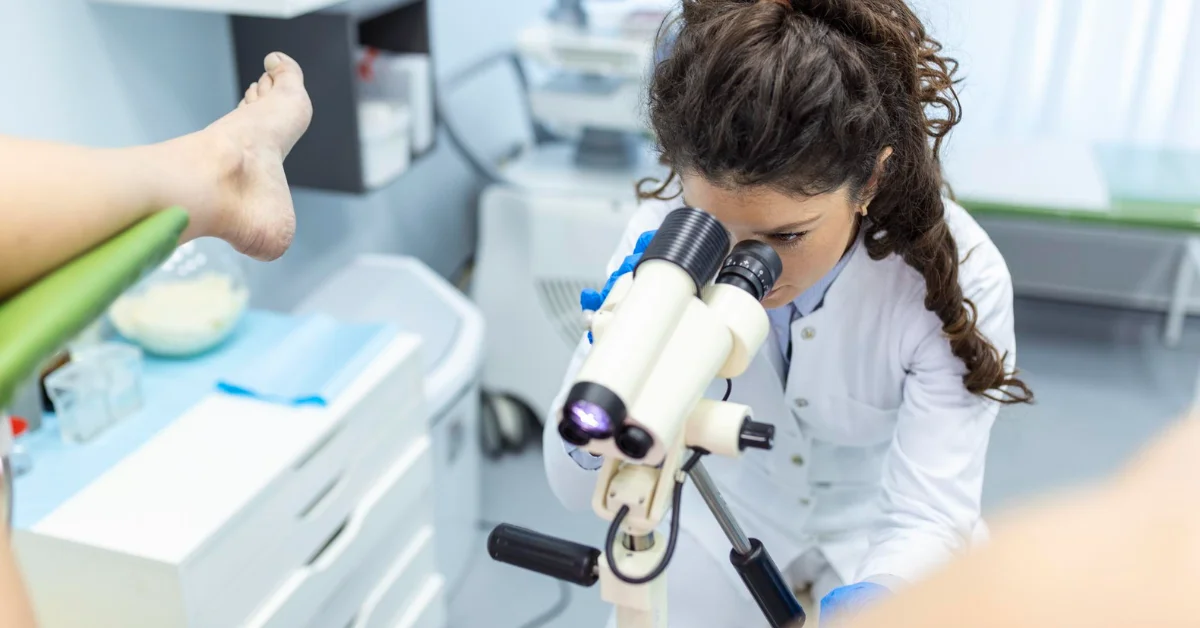
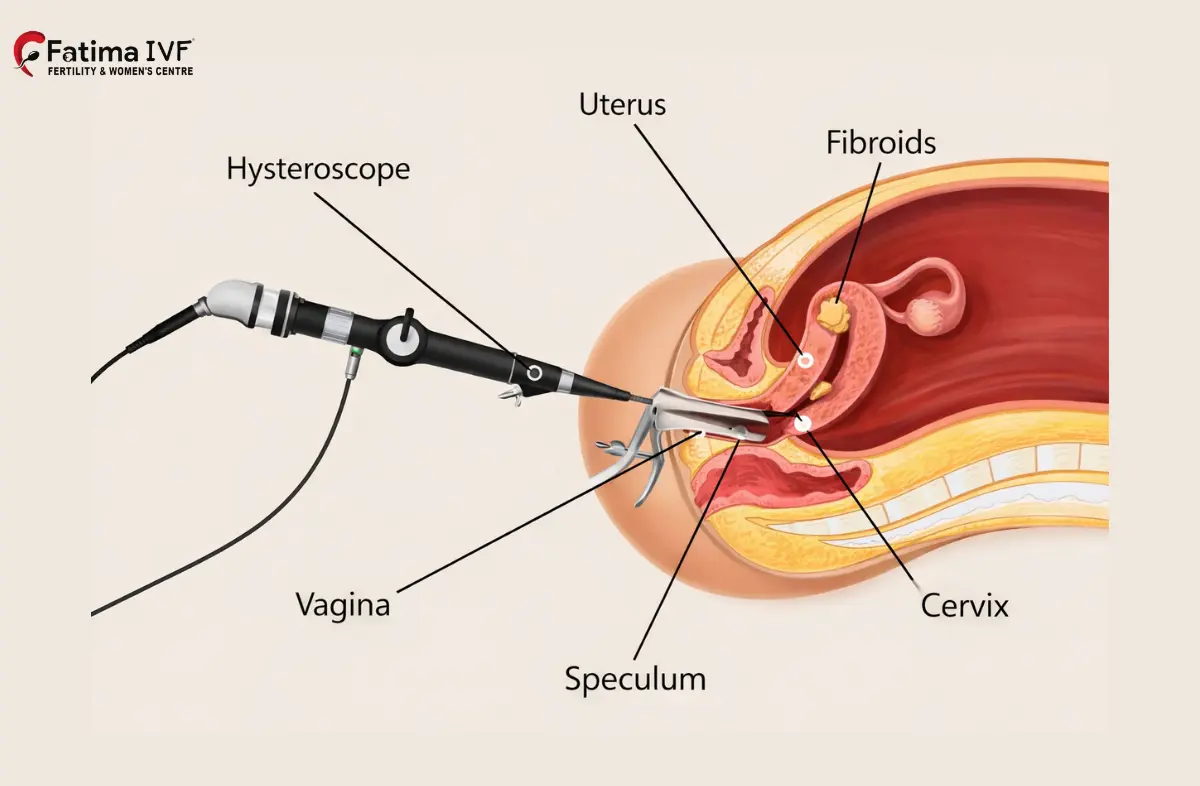
A uterine examination means looking inside the uterus to check its shape and lining. Doctors use a thin telescope called a hysteroscope for this exam. The hysteroscope goes through the vagina and cervix into the uterus. No cuts are made on the body.

Why is Uterine Evaluation Important in Fertility?

The uterus must be normal for pregnancy to occur and continue. Problems like polyps, fibroids, scars, or a septum stop the embryo from attaching. Many women have these issues without knowing it. Finding them helps doctors plan the right treatment.

When Do Doctors Recommend a Uterine Examination?

Doctors recommend uterine examination when you have irregular bleeding, pelvic pain, or trouble getting pregnant. It is also advised before IVF or after repeated miscarriages. Any woman with unexplained infertility benefits from this exam.

Diagnostic Hysteroscopy

What Is Diagnostic Hysteroscopy?

Diagnostic hysteroscopy is a procedure to look inside the uterus using a tiny camera called a hysteroscope. The camera is attached to a thin tube that goes through the cervix. The doctor sees the entire uterine cavity on a screen. This procedure takes 5 to 10 minutes.

  • Conditions Diagnosed Through Hysteroscopy: Hysteroscopy finds polyps (small growths on stalks), fibroids (muscle lumps), and adhesions (scar tissue bands). It also finds a septum, which is an extra wall of tissue inside the uterus. All these conditions can be treated once diagnosed.
  • Benefits of Diagnostic Hysteroscopy:Direct visualization means the doctor sees the real uterus, not just images. This gives an accurate diagnosis that ultrasound or MRI may miss. It’s a same-day procedure done in a day-care center.

Surgical Treatment Using Hysteroscopy

When is Surgical Intervention Required?

Surgery is needed when diagnostic hysteroscopy finds polyps, fibroids, adhesions, or a septum. These problems do not go away on their own. They continue to block pregnancy until removed. Hysteroscopic surgery removes them without opening the abdomen.

Conditions Treated with Hysteroscopic Surgery

Polyps, fibroids inside the cavity, uterine adhesions (Asherman's syndrome), and uterine septum are all treatable. These conditions cause infertility, miscarriage, or abnormal bleeding. Surgery restores the normal shape of the uterus.

Common Hysteroscopic Procedures

  •  Polyp Removal/Polypectomy: The doctor removes polyps using a small wire loop or grasping instrument. Polyps are removed completely from their base.
  • Fibroid Removal/Myomectomy: Fibroids that bulge into the uterine cavity are shaved off layer by layer. The normal uterine muscle is left untouched.
  • Adhesion Removal/Adhesiolysis: Scar tissue bands are cut using fine scissors or a special electrode. This opens up the uterine cavity again.
  • Uterine Septum Correction: The extra tissue wall is cut to create one normal cavity. This does not weaken the uterus.

Advantages of Minimally Invasive Surgery

No external cuts mean no scars on your belly. The hysteroscope goes through natural openings. Recovery is faster, with most women back to normal in 1 to 2 days. There is less pain and bleeding compared to open surgery.

Endometrial Biopsy

What is an Endometrial Biopsy?

An endometrial biopsy takes a small sample of the uterine lining. The doctor passes a thin, soft tube through the cervix into the uterus. Gentle suction collects a tiny piece of the endometrium. The sample is forwarded to a lab so experts can test it.

Why is Endometrial Biopsy Done in Fertility?

The biopsy checks if the uterine lining is healthy and ready for an embryo. It can find infections, inflammation, or abnormal cells. These issues prevent implantation even when the uterus looks normal on camera.

Common Indications for Endometrial Biopsy

  • Abnormal uterine bleeding: Heavy, irregular, or post-menopausal bleeding needs evaluation.
  • Recurrent implantation failure: When good embryos do not implant after multiple IVF cycles.
  • Repeated miscarriages: To check for chronic inflammation or infection.

Suspected infection or inflammation: Conditions like chronic endometritis are only diagnosed by biopsy.

Step-by-Step Procedure Guide

  • Before the Procedure: You will have basic tests like blood count and pregnancy test. Fasting may be needed if sedation is planned. You sign a consent form after the doctor explains the procedure. Antibiotics may be given to prevent infection.
  • During the Procedure: You lie on an examination table with your feet in supports. The doctor inserts a speculum to see the cervix. The hysteroscope or biopsy tube goes through the cervix into the uterus. The camera shows images on a screen while instruments are used.
  • After the Procedure: You rest in a recovery area for 30 to 60 minutes. Nurses check your blood pressure and bleeding. Most women feel fine and go home the same day. You need someone to drive you if sedation was used.
  • Duration and Pain Level: The procedure takes 15 to 30 minutes total. Most women feel mild cramping similar to period pain. Local anesthesia or sedation keeps you comfortable. Pain goes away within a few hours after the procedure.


Recovery and Aftercare

  • Recovery Timeline: You can return to your normal routine within 1 to 2 days. Light walking and daily chores are fine the next day. Avoid strenuous activities for one week. Most women feel completely normal by day three.
  • Do's and Don'ts After the Procedure: Do take rest for the first 24 hours. Do maintain good hygiene and change pads regularly. Do not lift heavy objects for one week. Do not insert anything into the vagina including tampons or have intercourse for two weeks.
  • Possible Side Effects and Risks: Mild spotting or dark discharge is normal for 2 to 3 days. Some women have mild cramping that responds to pain relievers. Rare complications include infection, heavy bleeding, or injury to the uterus. These occur in less than 1 in 1000 procedures.


When to Consult a Doctor

The Best Hysteroscopy Treatment in Chennai represents the evolution of women’s healthcare precision-driven, compassionate, and minimally invasive. Whether for infertility evaluation, menstrual disorder treatment, or uterine assessment, hysteroscopy offers women the confidence of accurate diagnosis and lasting recovery. It’s not just a medical procedure it’s a pathway to better reproductive health and renewed quality of life.

When to Consult a Doctor

Call your doctor if you have heavy bleeding that soaks a pad every hour. Fever above 100.4°F (38°C) needs medical attention. Severe pain not relieved by medication is also a warning sign. Foul-smelling discharge may indicate infection.

Success Rates of Uterine Treatments in Fertility

  • Improved implantation rates: Removing polyps or fibroids increases implantation by 30 to 40 percent. The embryo gets a smooth, healthy surface to attach to.
  • Better IVF outcomes: Women who have hysteroscopic surgery before IVF have higher pregnancy rates. One study showed live birth rates nearly double after polyp removal.
  • Increased chances of natural conception: Many women conceive naturally within six months of hysteroscopic treatment. The uterus returns to its normal shape and function.

Cost of Uterine Examination & Hysteroscopy in Chennai

  • Approximate price range: Diagnostic hysteroscopy costs between Rs 5,000 and Rs 15,000. Surgical hysteroscopy ranges from Rs 20,000 to Rs 50,000 depending on the procedure.
  • Factors affecting cost: The type of procedure (diagnostic vs surgical) affects the price. Use of sedation or anesthesia adds to the cost. Additional tests like biopsy or lab examination increase the total.

Insurance and affordability: Many insurance plans cover diagnostic hysteroscopy for abnormal bleeding. Fertility-related procedures may need separate approval. Fatima Fertility offers affordable packages and payment options.

Why Chennai is a Preferred Destination for Fertility Care

Advanced Fertility Centers and Technology

Chennai has world-class fertility centers with modern hysteroscopy equipment. High-definition cameras and fine instruments allow precise diagnosis and treatment. These technologies are available at reasonable costs compared to other cities.

Experienced Specialists in Reproductive Medicine

Chennai is home to many highly trained fertility specialists. Doctors here have completed advanced fellowships in reproductive medicine. They perform hundreds of hysteroscopy procedures every year with excellent results.

Affordable and Accessible Treatment Options

Treatment costs in Chennai are 30 to 50 percent lower than in Mumbai or Delhi. The city has good connectivity with international and domestic airports. Patients from other states and countries choose Chennai for quality care at fair prices.

High Success Rates and Patient Satisfaction

Chennai fertility centers report success rates that match global standards. Patient satisfaction is high due to personalized care and transparent practices. Many women from across India travel to Chennai for uterine treatments.

About the Doctor

Meet Our Fertility Specialist

Dr. Fathimunissa is a dedicated fertility specialist at Fatima Fertility in Chennai. She has spent her career helping women overcome uterine problems to achieve pregnancy. She personally performs every hysteroscopy and biopsy at the center.

  • Qualifications: MBBS, MD (Obstetrics & Gynecology), Fellowship in Reproductive Medicine (with operative hysteroscopy training)
  • Skill updates: Regularly attends national conferences & workshops
  • Experience: 12+ years in fertility treatments
  • Procedures performed: 1500+ diagnostic & operative hysteroscopies
  • Specializations: Diagnostic hysteroscopy, polypectomy, myomectomy, adhesiolysis, septum resection, endometrial biopsy, managing recurrent implantation failure
  • Soft skill: Combines clinical expertise with compassionate communication


Our Expertise at Fatima Fertility

Advanced Diagnostic and Surgical Facilities

Fatima Fertility has a dedicated hysteroscopy suite with high-definition cameras. We use fine instruments that cause minimal discomfort to patients. Our facility maintains strict sterilization protocols for patient safety.

Personalized Treatment Plans

No two women have the same uterine problem. We evaluate your history, symptoms, and test results before making a plan. Your treatment is tailored to your specific condition and fertility goals.

Evidence-Based Fertility Care

All our procedures follow guidelines from reproductive medicine societies. We use treatments that have proven success in medical studies. We do not offer unproven or experimental therapies.

Commitment to Patient Safety and Success

Your safety is our first priority at every step. We monitor for complications and act quickly if they occur. We measure our success by healthy pregnancies and satisfied patients.

Empowering Women Through Modern Fertility Care

  • Holistic and Compassionate Fertility Support: We understand that fertility treatment can feel overwhelming. Our team provides emotional support alongside medical care. We listen to your concerns and address them with kindness.
  • Supporting Women at Every Stage:  From first consultation to pregnancy confirmation, we stay with you. We explain what to expect before, during, and after each procedure. You never feel lost or alone in your treatment journey.
  • Combining Technology with Emotional Care: Modern hysteroscopy technology gives us precise diagnostic power. But technology alone does not heal. We combine accurate procedures with genuine human connection for the best outcomes.

Conclusion

A healthy uterus plays a crucial role in achieving and sustaining pregnancy. Even small, often unnoticed issues like polyps, fibroids, adhesions, or a septum can interfere with implantation and lead to infertility or miscarriage. Procedures such as diagnostic hysteroscopy and endometrial biopsy allow doctors to accurately detect and treat these problems in a minimally invasive way. With timely evaluation, proper treatment, and expert care, many women can significantly improve their chances of natural conception or successful IVF. Overall, early diagnosis and personalized fertility care are key to better reproductive outcomes.

Our Latest Vlogs

Too Much Weight Gain During Pregnancy?

கர்ப்பகாலத்தில் Exercise பண்ணலாமா |Is Exercise Safe During Pregnancy?

Baby Not Moving in Pregnancy? Can Music Help? | Pregnancy Tips

HSG test அப்படின்னா என்ன | Infertility

Period Miss ஆன அடுத்த நாளே Urine Pregnancy Test பண்ணுமா? -Dr.Fathimunissa

IVF-ல் twin pregnancy chances அதிகம்

Our Specialists

Meet our experienced team of anaesthesiologists dedicated to your safety and comfort

No data was found

Related Blogs

No data was found

Frequently Asked Questions

Hysteroscopy is performed under anesthesia or mild sedation, so pain is minimal. Clinics offering the Best Hysteroscopy Treatment in Chennai ensure maximum comfort during and after the procedure through advanced pain-management techniques.

Most women recover within 24 to 48 hours. After the Best Hysteroscopy Treatment in Chennai, patients may experience mild cramping or light bleeding, which subsides quickly with proper rest and care.

Yes. Hysteroscopy helps remove fibroids, polyps, or adhesions that may interfere with conception. Specialists providing the Best Hysteroscopy Treatment in Chennai often recommend it as a first-line procedure for infertility evaluation and uterine correction.