
Safety Rate
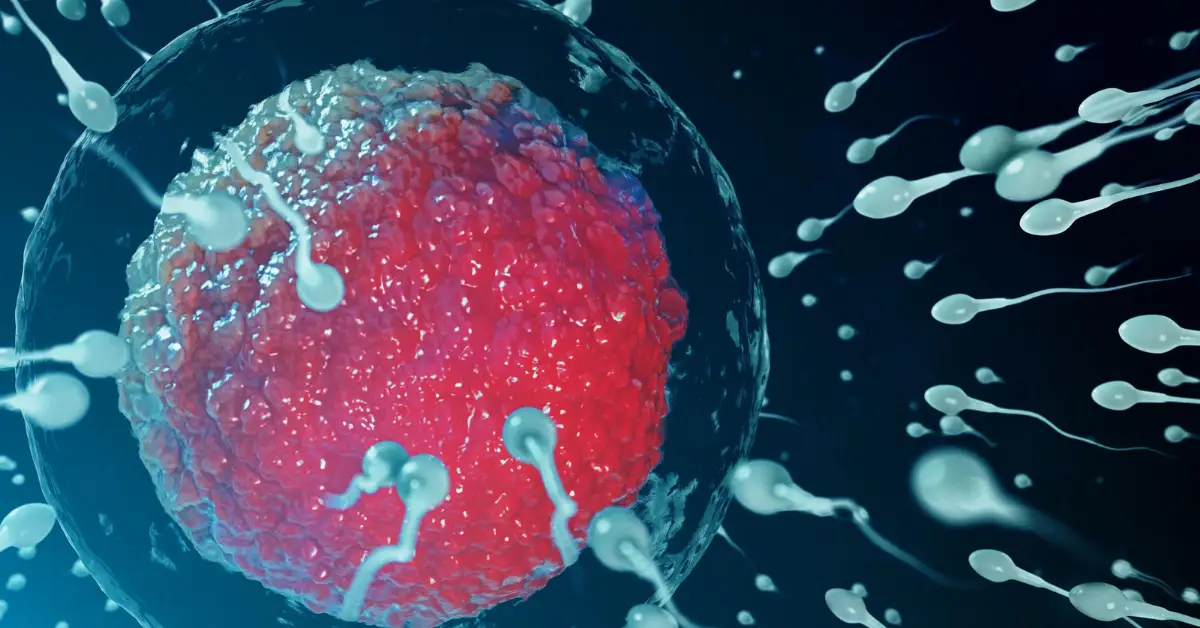
Intracytoplasmic Sperm Injection — or ICSI — is a fertility treatment where a single healthy sperm is picked up carefully and injected directly into a mature egg. This happens in a laboratory under a very powerful microscope. Once the egg is fertilised and grows into an embryo, it is placed into the woman's uterus.
ICSI was first used successfully in 1992, and since then it has helped millions of couples around the world have babies. It is especially useful when the male partner has very low sperm count, slow-moving sperm, or sperm that have an unusual shape. In such cases, natural fertilisation — even with standard IVF — may not work. ICSI bypasses those barriers.
At Fathimunissa Fertility Centre, our embryologists perform ICSI with great care and precision. We use modern laboratory equipment and follow strict quality protocols to give your embryos the best possible start.
The word "intracytoplasmic" can look a bit complex, but it simply means "inside the cytoplasm." The cytoplasm is the fluid-filled inside of an egg cell. So intracytoplasmic sperm injection literally means injecting the sperm into the inside of the egg.
In normal fertilisation, a sperm has to swim all the way to an egg and then push through its outer shell. With ICSI, we skip that step entirely. The sperm is guided directly inside the egg using a very fine, hollow needle. This way, fertilisation does not depend on how well the sperm can swim or penetrate the egg on its own.
Assisted Reproductive Technology, or ART, is a group of medical treatments that help couples get pregnant when they are not able to conceive naturally. ICSI is one of the most advanced and widely used forms of ART today.
Other ART treatments include IUI (Intrauterine Insemination), IVF (In Vitro Fertilisation), and egg or embryo freezing. All of these involve a doctor or embryologist working with eggs, sperm, or embryos in a controlled medical setting to improve the chances of pregnancy.
Fathimunissa Fertility Centre offers a full range of ART services under one roof. Our team guides you through which treatment is right for you, based on your medical reports, age, and personal situation. We do not follow a one-size-fits-all approach.
Both IVF and ICSI involve fertilising an egg outside the body. The difference lies in how fertilisation actually happens.
In standard IVF, the eggs and thousands of sperm are placed together in a dish, and fertilisation happens on its own — similar to what happens in the body, just in a lab setting. This works well when sperm quality is reasonable.
In ICSI, the embryologist handpicks a single sperm and injects it directly into the egg. This is done one egg at a time. ICSI is chosen when there is a problem with the sperm — low count, low motility (movement), abnormal shape, or when previous IVF has failed. It gives the sperm a direct path to the egg, removing many of the natural barriers.
In simple terms: IVF lets fertilisation happen naturally in a dish. ICSI makes fertilisation happen by directly placing the sperm inside the egg. Both result in embryos that are then transferred to the uterus.
ICSI is recommended in several situations. Here are the most common ones:
ICSI can also be considered for older couples or those who have had multiple failed conception attempts. A proper evaluation at Fathimunissa Fertility Centre will help determine whether ICSI is the right next step for you.
Male infertility is more common than most people think. It contributes to nearly half of all infertility cases. Understanding what might be causing it is an important first step.
At Fathimunissa Fertility Centre, we do a full semen analysis and male fertility workup before recommending ICSI. Our goal is to understand the root cause and provide the treatment that fits your situation.

ICSI Treatment in Chennai at Fathimunissa Fertility Centre follows a clear, step-by-step process. Here is what to expect:
The female partner receives hormone injections for about 10 to 14 days to stimulate the ovaries to produce multiple eggs. During this time, we monitor the growth of the follicles (fluid sacs containing eggs) through ultrasound scans. The dose of medication is adjusted based on how the ovaries respond. This is a personalised process — no two women receive the exact same protocol.
When the follicles reach the right size, a trigger injection is given. About 34 to 36 hours later, egg retrieval (also called oocyte pickup or OPU) is done. This is a minor procedure performed under mild sedation. A fine needle, guided by ultrasound, is used to collect the eggs from the ovaries. It usually takes about 20 to 30 minutes. Most women feel some mild discomfort but recover quickly.
On the same day, the male partner provides a semen sample. If there is no sperm in the ejaculate (azoospermia), sperm can be retrieved directly from the testis using TESA (Testicular Sperm Aspiration) or PESA (Percutaneous Epididymal Sperm Aspiration). The retrieved sperm is then prepared in the laboratory for use in the ICSI procedure.
In the lab, our embryologist selects the healthiest-looking sperm. Using a very fine needle and a specialised microscope, a single sperm is injected into each mature egg. This requires great skill and a steady hand. The fertilised eggs are then placed in an incubator that mimics the conditions inside the body.
The fertilised eggs (now embryos) are monitored daily for 3 to 5 days. We watch how they divide and develop. The best-quality embryo or embryos are selected for transfer. If there are good-quality extra embryos, they can be frozen for future use.
The selected embryo is placed gently into the uterus using a thin, soft tube called a catheter. This procedure is simple and does not require sedation in most cases. It feels similar to a routine gynaecological examination. After the transfer, the woman rests briefly and then goes home the same day.
After the embryo transfer, you wait for about two weeks before doing a blood test (beta-hCG test) to check if pregnancy has occurred. We know this waiting period can feel long and emotional. Our team is available to answer your questions and provide support during this time.
here are several reasons why couples choose ICSI as their treatment option:
Like any medical procedure, ICSI comes with some risks. It is important to understand these honestly so you can make an informed decision.
Ovarian Hyperstimulation Syndrome (OHSS) is a condition where the ovaries become swollen and painful due to the hormonal stimulation. Mild OHSS is relatively common and settles on its own. Severe OHSS is rare but requires medical attention. At Fathimunissa Fertility Centre, we monitor each patient closely and adjust medication doses to reduce this risk.
There is a slightly higher chance of multiple pregnancies (twins or triplets) with any IVF or ICSI treatment, as more than one embryo may be transferred. Multiple pregnancies carry higher risks for both mother and babies. We follow safe guidelines on how many embryos to transfer and always discuss this with you first.
Some research suggests a small possibility that genetic conditions present in the father (such as those causing low sperm production) may be passed on to a son born through ICSI. Genetic counselling is offered to couples who may benefit from this information.
Not every egg will fertilise, and not every embryo will develop well. This is a natural part of the process and does not always mean that something went wrong. Our embryologists will explain the outcome of each stage clearly.
ICSI Treatment in Chennai at Fathimunissa Fertility Centre has helped many couples conceive. Success rates vary based on a number of factors, and we believe in giving you honest, realistic information.
The factors that influence ICSI success include the woman's age, egg quality, uterine health, sperm quality, and the number and quality of embryos developed. Younger women, particularly those under 35, tend to have higher success rates because egg quality is generally better.
Globally, ICSI success rates (leading to a live birth) range from about 30% to 50% per cycle for women under 35. These numbers can be lower for older women or those with other medical factors. Multiple cycles may be needed, and this is completely normal.
At Fathimunissa Fertility Centre, we focus on optimising every stage of the process — from stimulation to embryo selection to uterine preparation — to improve your individual chances. We will discuss your expected success rate openly during your consultation, based on your specific test results.
We understand that cost is an important consideration for families. ICSI Treatment in Chennai at Fathimunissa Fertility Centre is priced to be fair and transparent. We do not believe in hidden charges or surprise bills.
The overall cost of ICSI typically includes the consultation, pre-treatment tests and investigations, hormonal medications for stimulation, the egg retrieval procedure, the laboratory ICSI procedure, embryo culture and monitoring, and the embryo transfer. If surgical sperm retrieval (TESA or PESA) is needed, that is a separate procedure with its own cost.
We offer a detailed cost breakdown during your first consultation so you know exactly what you are paying for. For couples who need embryo freezing or additional cycles, we will explain those costs separately as well.
Please contact Fathimunissa Fertility Centre directly for current pricing details. Our team will walk you through every aspect of the cost and help you plan ahead.
Most women recover well from ICSI treatment and can return to their daily routine fairly quickly. Here is what the recovery typically looks like:
After egg retrieval, you may feel some bloating, mild cramping, or spotting for a day or two. These are normal and usually go away on their own. Resting at home for the rest of that day is recommended. Most women feel well enough to return to light activity the next day.
After embryo transfer, you will be given medications (usually progesterone) to help prepare and support the uterine lining for implantation. These are typically taken as vaginal tablets or injections. You do not need to stay in bed the whole time, but we do ask you to avoid strenuous exercise, heavy lifting, or hot baths during the two-week wait.
If the pregnancy test is positive, you will continue the supportive medications for a few more weeks and come in for an ultrasound scan to confirm the heartbeat. Your care then transitions to a regular obstetric team for pregnancy follow-up.
If the test is negative, it is natural to feel disappointed. Our team will meet with you to review the cycle, discuss what happened, and talk about what next steps might look like. Many couples succeed in a second or third cycle, and we walk that path with you.
During your ICSI cycle, there are a few situations where you should contact us without delay:
Our team at Fathimunissa Fertility Centre is reachable for any urgent concern. You are never on your own during this journey.
Fertility treatment is not just a medical journey. It is an emotional one too. The hormone medications, the waiting, the hope, and sometimes the disappointment — it all takes a toll on both partners. At Fathimunissa Fertility Centre, we see the whole person, not just the medical case.
Our team takes time to sit with you, explain each step, and answer your questions without rushing. We understand that every piece of news — good or difficult — lands differently for different people. We communicate with sensitivity and honesty.
Many couples find it helpful to talk to a counsellor during fertility treatment. We can connect you with support if you feel you need someone to speak to. Lean on each other as a couple, talk to people you trust, and do not be hard on yourselves. Infertility is a medical condition — it is not a failure.
We also encourage you to bring your partner or a family member to your appointments. Having support with you during important consultations can make a big difference. You do not have to go through this alone.
Meet our experienced team of anaesthesiologists dedicated to your safety and comfort

Director

SENIOR EMBRYOLOGIST

JUNIOR EMBRYOLOGIST

FERTILITY COUNSELLOR
From the start of ovarian stimulation to the pregnancy blood test, one ICSI cycle typically takes about four to six weeks. The preparation phase (tests and investigations before starting the cycle) may add a few more weeks.
Yes, most women continue with their work and daily life during the stimulation phase. You will need to come in for monitoring scans every few days. On the day of egg retrieval, you will need to take the day off. After embryo transfer, light rest for a day or two is advised. Beyond that, you can resume normal activities.
This condition is called azoospermia, and ICSI can still be an option. Sperm can often be retrieved directly from the testicle using a minor surgical procedure called TESA or PESA. Even a small number of sperm retrieved this way is enough for ICSI. Our urologist and fertility team work together for such cases.
Yes. Fathimunissa Fertility Centre provides ICSI Treatment in Anna Nagar and ICSI Treatment in Triplicane for patients across Chennai and nearby areas. Our central location and appointment system make it easy for couples from all parts of the city to access care without unnecessary travel stress.
Take the first step toward parenthood. Book an appointment with our expert team to receive expert guidance, emotional support, and advanced fertility solutions designed just for you.