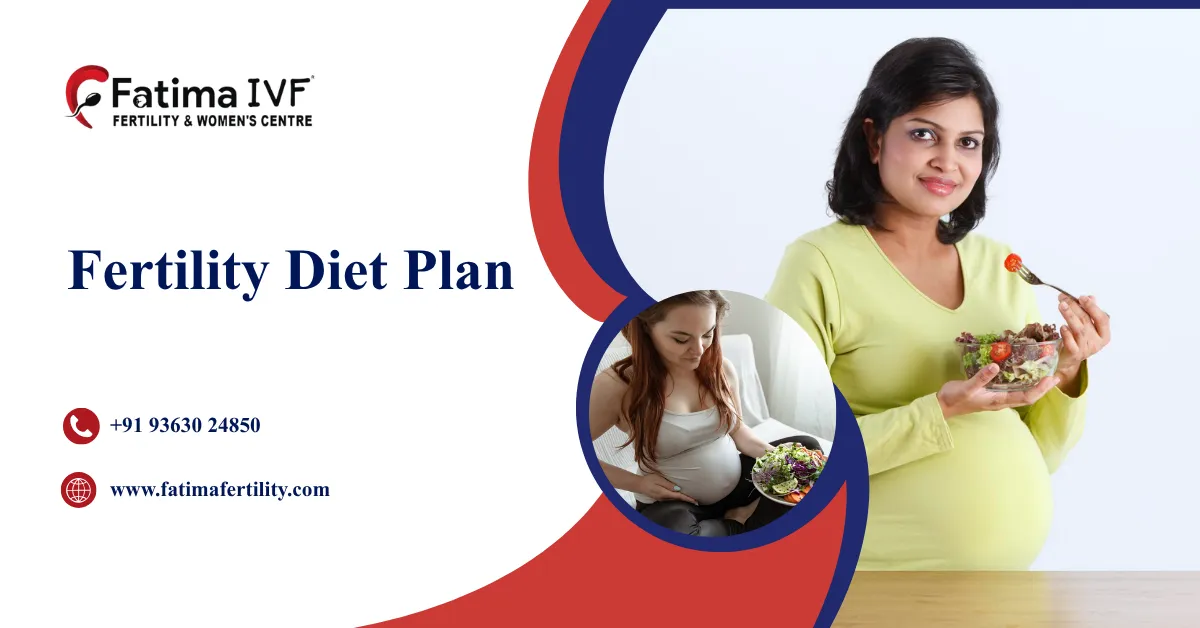
When a couple decides they are ready to start a family, the first question is what they can do differently to improve their chances. The answer begins at the dining table. A well designed fertility diet plan gives your body the exact nutrients it needs to support healthy egg quality, sperm health, hormone balance, and a uterine environment where pregnancy can take root and grow successfully.
How Food Directly Affects Fertility
- Most people understand that food affects weight and energy. Fewer people realize how deeply food influences reproductive health. Every hormone your body produces for ovulation, sperm production, and implantation requires specific nutrients as raw materials. When those nutrients are consistently low or missing, the entire reproductive process becomes harder than it needs to be.
- Food also controls inflammation. Chronic low grade inflammation is one of the most common hidden barriers to conception. It interferes with egg quality, disrupts the uterine lining, and reduces sperm motility. The foods you choose every day either reduce this inflammation or quietly increase it.
- Your gut health adds another layer. The bacteria living in your digestive system directly affect how well you absorb fertility critical nutrients like folate, zinc, and vitamin D. Poor gut health means poor absorption even when you are eating well. This is why a fertility diet plan is not just about adding a few special foods. It is about building a consistent daily eating pattern that supports every level of reproductive health at the same time.
Whole Grains: Keeping Hormones Steady All Day
- Refined carbohydrates like maida based foods and heavily processed snacks cause rapid blood sugar spikes followed by crashes. This repeated cycle keeps insulin elevated throughout the day. High insulin directly raises androgen levels in women, disrupts ovulation, and in men, reduces testosterone and sperm quality over time.
- Whole grains release energy slowly and keep blood sugar stable. Millets like ragi, kambu, and varagu are excellent choices for a fertility diet plan and are already deeply rooted in Tamil Nadu food culture. Brown rice, whole wheat, and oats are equally useful.
- Ragi in particular deserves attention. It is rich in calcium, iron, and amino acids that support hormone production. A bowl of ragi koozh in the morning or ragi dosai for breakfast keeps insulin steady through the first half of the day, which is exactly when the body does most of its reproductive hormone signaling.
- The fiber in whole grains also feeds beneficial gut bacteria, which connects directly to better nutrient absorption and healthier estrogen metabolism. Choosing whole grains over refined foods for two meals each day may improve hormonal health over time.
Leafy Greens and Folate: The Most Important Nutrient for Conception
- Folate is the single most important nutrient in any fertility diet plan, and leafy greens are its richest food source. Folate is essential for DNA synthesis, which means it is directly involved in the formation of healthy eggs and sperm at a cellular level. Low folate is linked to poor egg quality, increased risk of chromosomal abnormalities, and early pregnancy loss.
- Murungai keerai is one of the best folate sources available in Tamil Nadu and is also loaded with iron, calcium, and vitamin C. Vendhaya keerai, spinach, and agathi keerai all deliver strong folate content. The traditional habit of including at least one keerai dish in the daily meal is one of the most fertility supportive dietary habits a person can have.
- Folate from food is called folate, while the supplement form is called folic acid. Food based folate is better absorbed by people who have a common genetic variation called MTHFR, which affects how the body processes synthetic folic acid. Eating leafy greens daily covers your folate needs in the most bioavailable form possible.
- Adding a squeeze of lemon or tamarind to your keerai dish is not just for taste. Vitamin C in these souring agents helps your body absorb the iron from the greens much more effectively, supporting the healthy blood flow to the uterus that is essential for implantation.
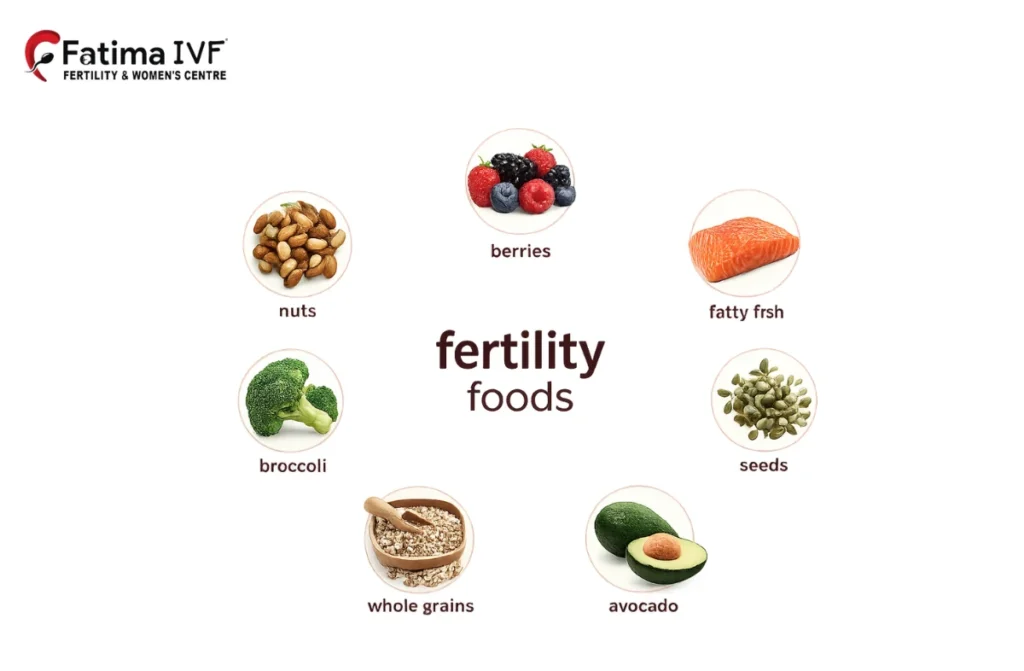
Healthy Fats for Better Hormonal Balance
- Every sex hormone your body produces, including estrogen, progesterone, and testosterone, is made from cholesterol and fat. A diet that is too low in healthy fats directly reduces your body’s ability to produce these hormones in adequate amounts. This is one of the most overlooked parts of building a proper fertility diet plan.
- Gingelly oil, coconut oil, and groundnut oil are traditional cooking fats in Tamil Nadu that provide the healthy saturated and monounsaturated fats your body uses for hormone synthesis. Avocado, though less traditional, is now widely available and provides excellent monounsaturated fat along with vitamin E, which is critical for uterine lining health and sperm membrane integrity.
- Omega 3 fatty acids are particularly important for fertility. They reduce inflammation, improve blood flow to the reproductive organs, and directly support egg quality. Fatty fish like sardines, mackerel, and anchovies are the richest sources and are common in coastal Tamil Nadu cooking. For vegetarians, walnuts, chia seeds, and flaxseeds provide plant based omega 3s.
- The fat you want to reduce is the hydrogenated and partially hydrogenated kind found in vanaspati, most packaged biscuits, and fried street food. These trans fats have been directly linked in research to ovulatory infertility and reduced sperm quality.
Protein: Building Blocks for Eggs, Sperm, and Hormones
- Protein is essential in a fertility diet plan because amino acids from protein are the structural building blocks for hormones, enzymes, and the reproductive cells themselves. Research from the Harvard Nurses Health Study found that women who got more of their protein from plant sources had significantly better ovulatory function compared to those who relied primarily on animal protein.
- For Tamil Nadu households, this is naturally easy to achieve. Lentils, chickpeas, green gram, black eyed peas, and all varieties of dal are excellent plant protein sources that also deliver iron, zinc, and folate simultaneously. A simple meal of sambar rice with a side of poriyal covers protein, fiber, and micronutrients in one culturally familiar combination.
- For those who eat meat and fish, eggs are one of the best fertility foods available. They contain choline, which is critical for fetal brain development and is often overlooked alongside folate. Lean chicken and fish provide complete protein with less of the saturated fat found in red meat, making them better regular choices within a fertility diet plan.
- The balance matters. Aim for at least one plant protein source at each meal, with eggs or fish a few times a week if you eat them. This combination delivers the full amino acid spectrum your reproductive system needs without the inflammatory burden that comes from heavy red meat consumption.
Zinc and Selenium: The Minerals that Protect Reproductive Cells
- Zinc and selenium are two minerals that are absolutely essential in a fertility diet plan but rarely discussed in everyday nutrition conversations. Both play direct roles in protecting egg and sperm DNA from oxidative damage, which is one of the primary causes of poor reproductive cell quality.
- Zinc is needed for testosterone production in men, for progesterone production in women, and for the healthy development of eggs during the follicular phase of the cycle. Pumpkin seeds, sesame seeds, chickpeas, and lentils are all strong zinc sources available in Tamil Nadu. Men with low zinc levels consistently show lower sperm count, reduced motility, and poorer sperm morphology in research studies.
- Selenium works alongside vitamin E as an antioxidant that protects sperm cells from oxidative stress. It is also required for the production of thyroid hormones, and thyroid function has a direct connection to fertility in both men and women. Brazil nuts are the single richest food source of selenium globally, with just two nuts meeting the full daily requirement. Sunflower seeds, eggs, and fish also provide useful amounts.
- Including sesame seeds and pumpkin seeds as a regular snack, or adding them to rice and curries, is a simple way to cover both zinc and selenium needs without any complicated dietary changes.
Iron: Supporting Ovulation and Uterine Health
- Iron deficiency is one of the most common nutritional problems among women in Tamil Nadu, and it has a direct negative impact on fertility. Research shows that women with adequate iron intake from food have significantly lower rates of ovulatory infertility compared to those who are iron deficient.
- Iron supports the production of healthy red blood cells that carry oxygen to the ovaries and uterus. Without adequate oxygen supply, follicle development becomes impaired, ovulation can become irregular, and the uterine lining may not develop fully enough to support implantation.
- The best food sources of iron in a South Indian diet include drumstick leaves, agathi leaves, horse gram, black sesame seeds, and jaggery. Animal based iron from fish, chicken, and eggs is absorbed more readily by the body, but plant based iron absorption improves dramatically when paired with vitamin C from tomatoes, lemon, or tamarind, which are already standard parts of Tamil cooking.
- Avoiding tea and coffee immediately after iron rich meals is an important practical point. Tannins in tea and coffee bind to iron in the digestive tract and block its absorption. Waiting at least one hour after an iron rich meal before having your coffee makes a meaningful difference in how much iron your body actually uses.
Antioxidant Rich Foods: Fighting the Oxidative Stress that Harms Fertility
- Oxidative stress is a state where free radicals in the body outnumber the antioxidants available to neutralize them. This imbalance directly damages eggs and sperm at a cellular level. Reducing oxidative stress through diet is one of the most actionable and evidence backed strategies within any fertility diet plan.
- Brightly colored fruits and vegetables are the richest sources of antioxidants. Tomatoes deliver lycopene, which is specifically associated with improved sperm quality. Carrots, sweet potatoes, and papaya deliver bet carotene, which converts to vitamin A and supports healthy egg development. Amla, or Indian gooseberry, is one of the richest vitamin C sources in the world and is a traditional ingredient in Tamil Nadu cooking and medicine.
- Vitamin E, found in sunflower seeds, almonds, and groundnuts, is a fat soluble antioxidant that protects the membranes of both eggs and sperm from oxidative damage. Coenzyme Q10, found in small amounts in sardines, organ meats, and peanuts, has shown promising results in research for improving egg quality in women over thirty five.
- Green tea in moderate amounts provides catechins, another class of antioxidants with anti inflammatory benefits. However, very high green tea intake can interfere with folate absorption, so one to two cups a day is a sensible limit within a fertility diet plan.
Conclusion
Building a fertility diet plan does not require expensive ingredients or drastic changes to how you eat. The most powerful fertility foods are already woven into Tamil Nadu cooking traditions. Millets, lentils, leafy greens, sesame seeds, gingelly oil, and fresh fish are not just culturally familiar. They are scientifically supported choices that nourish your reproductive system from the inside. Start with consistency, include both partners in these dietary shifts, and give your body at least three full months to respond, because eggs and sperm take roughly ninety days to fully develop.