Your body whispers before it screams. Many gynecological conditions begin with subtle changes—an irregular period, unusual discharge, persistent pelvic discomfort—that seem easy to ignore until they become impossible to overlook.
The Day Her Body Started Sending Warning Signals
Ananya thought it was just stress.
The demanding job, late nights, and constant responsibilities seemed like the obvious explanation for her irregular periods. When pelvic discomfort appeared, she ignored it. When unusual discharge followed, she told herself it would go away. Months passed. The symptoms became harder to dismiss. What began as a small inconvenience eventually led to a diagnosis that could have been detected much earlier.
Her story is not unique.
Every day, millions of women experience symptoms that seem minor at first but may signal underlying gynecological conditions. The challenge is that many of these problems develop gradually, making them easy to ignore until they begin affecting fertility, relationships, emotional health, and daily life.:
Why Women’s Health is More Than Just Reproductive Health
Many people think gynecological health only matters when pregnancy or fertility becomes a concern.
The truth is far broader.
The female reproductive system influences hormones, metabolism, urinary health, sexual wellness, emotional well-being, sleep quality, and overall physical health. When something goes wrong in one area, it often affects several others.
Understanding gynecological health means understanding your body as a connected system rather than a collection of separate organs.
The Symptoms of Gynecologial problems
Before discussing specific conditions, it is important to recognize the symptoms that frequently get overlooked.
Many women normalize symptoms that deserve medical attention, often assuming they are simply part of being a woman. While occasional changes can occur naturally, persistent or worsening symptoms should never be ignored.
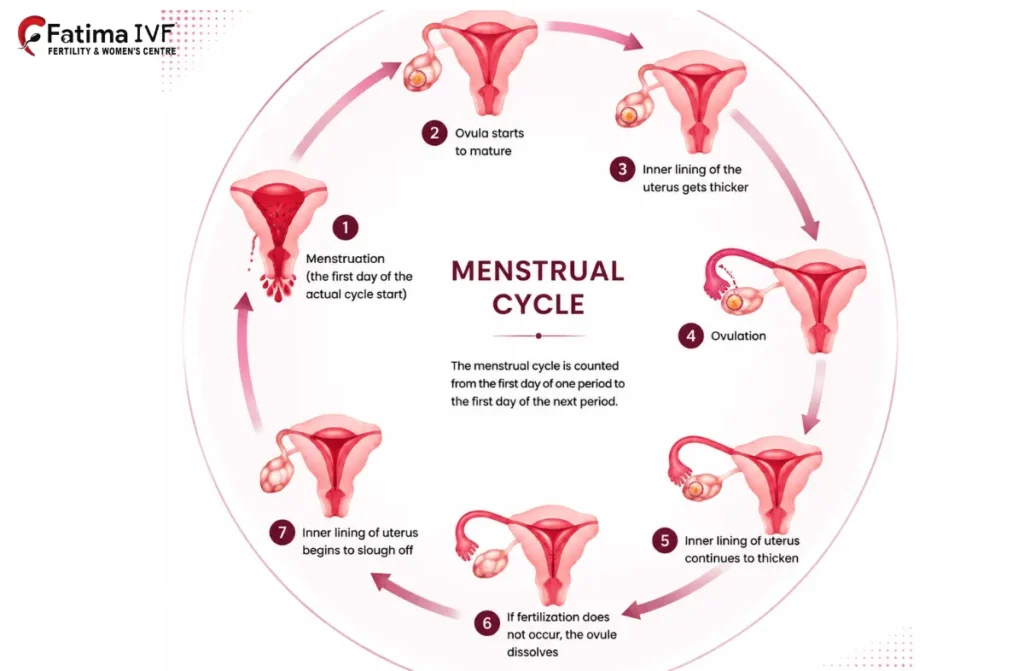
• Irregular periods: Changes in cycle length, missed periods, or unpredictable bleeding may signal hormonal imbalances, PCOS, thyroid disorders, or other underlying health issues that require evaluation.
• Heavy menstrual bleeding: Excessive bleeding can lead to fatigue, anemia, and reduced quality of life. It may also indicate fibroids, adenomyosis, or hormonal abnormalities.
• Severe menstrual cramps: Mild discomfort is common, but pain that interferes with work, school, or daily activities may be a sign of endometriosis or other gynecological conditions.
• Persistent bloating: Bloating that continues for weeks rather than days should not be dismissed as a digestive issue alone. In some cases, it may be linked to ovarian or reproductive health concerns.
• Pelvic pressure: A constant feeling of heaviness or pressure in the pelvic region can indicate fibroids, ovarian cysts, or pelvic floor disorders.
• Unusual vaginal discharge:Changes in color, consistency, odor, or quantity may point to infections, hormonal changes, or other gynecological conditions requiring treatment.
• Pain during intercourse: Sex should not consistently be painful. Persistent discomfort can result from infections, endometriosis, hormonal changes, or pelvic health disorders.
• Frequent urinary infections: Recurring UTIs may suggest anatomical, hormonal, or lifestyle factors that need medical assessment to prevent long-term complications.
• Sudden hormonal changes: Unexpected acne, weight fluctuations, excessive hair growth, or mood swings can indicate hormonal disorders such as PCOS or thyroid disease.
• Difficulty conceiving: Trouble becoming pregnant may be one of the earliest signs of reproductive conditions that benefit from early diagnosis and intervention.
The problem is not simply the symptoms themselves.
The problem is assuming they are normal when they may actually be your body’s way of asking for medical attention.
The Hidden Cost of Ignoring Gynecological Symptoms
Delaying medical care can have consequences that extend far beyond physical discomfort.
Untreated gynecological conditions may lead to:
• Chronic pain: Conditions such as endometriosis and pelvic inflammatory disease can gradually lead to long-term pain that affects mobility, sleep, and emotional well-being.
• Fertility challenges: Some disorders interfere with ovulation, fallopian tube function, or uterine health, making conception more difficult over time.
• Pregnancy complications: Untreated infections, hormonal disorders, or uterine abnormalities can increase risks during pregnancy for both mother and baby.
• Hormonal imbalances: Persistent hormonal disruptions can affect metabolism, weight, mood, skin health, and overall physical wellness.
• Sexual health difficulties: Pain, discomfort, or untreated reproductive disorders may negatively impact intimacy, confidence, and relationship satisfaction.
• Emotional stress and anxiety: Living with unexplained symptoms often creates uncertainty, frustration, and emotional exhaustion that can affect mental health.
• Reduced quality of life: When symptoms interfere with daily activities, work performance, exercise, or social interactions, overall well-being suffers significantly.
In many cases, the earlier a condition is identified, the simpler and more effective treatment becomes.
How Common Are Gynecological Problems?
Gynecological conditions are among the most common health concerns affecting women worldwide.
Women of every age—from teenagers experiencing their first periods to postmenopausal women navigating hormonal changes—can develop gynecological issues.
While some conditions are temporary and manageable, others become chronic if left untreated.
Awareness remains one of the biggest barriers because many women suffer silently without realizing their symptoms deserve medical attention.
Common Gynecological Problems Every Woman Should Know About
When Period Problems Become More Than Just Period Problems
Menstrual disorders often provide the first clue that something may be wrong.
Heavy bleeding may indicate fibroids or hormonal abnormalities.
Extremely painful periods may point toward endometriosis.
Irregular cycles may be associated with PCOS, thyroid disorders, stress, or other hormonal conditions.
Bleeding between periods should never be automatically dismissed.
A healthy menstrual cycle is often one of the clearest indicators of reproductive health.
PCOS: The Hormonal Disorder Affecting Millions
Women with PCOS may experience:
• Irregular periods: Ovulation may occur infrequently or not at all, resulting in unpredictable menstrual cycles and fertility challenges.
• Acne: Elevated androgen levels can stimulate excess oil production, leading to persistent acne that often continues into adulthood.
• Weight gain:Many women with PCOS develop insulin resistance, making weight management more difficult despite healthy lifestyle efforts.
• Excess facial hair: Hormonal imbalances may cause unwanted hair growth on the face, chest, abdomen, or other areas.
• Hair thinning: While hair may increase in some areas, scalp hair can become thinner due to androgen-related changes.
• Difficulty becoming pregnant: Irregular ovulation is one of the primary reasons women with PCOS may experience fertility challenges.
Beyond fertility concerns, PCOS can increase the risk of diabetes, metabolic syndrome, and cardiovascular disease.
Early diagnosis helps women manage symptoms and reduce long-term complications.
Early diagnosis helps women manage symptoms and reduce long-term complications.
Endometriosis: The Pain That Is Often Dismissed
Many women are told that severe period pain is normal.
It is not.
Endometriosis occurs when tissue similar to the uterine lining grows outside the uterus. This can cause:
• Debilitating menstrual pain: The pain often extends far beyond normal menstrual cramps and can become severe enough to interfere with work, education, exercise, and daily responsibilities.
• Chronic pelvic discomfort: Many women experience persistent pelvic pain even when they are not menstruating, making it difficult to maintain normal routines and physical activities.
• Pain during intercourse: Inflammation, scar tissue, and affected pelvic structures can make intimacy painful, often impacting emotional well-being and relationships.
• Digestive symptoms: Bloating, constipation, diarrhea, nausea, and abdominal discomfort are common and frequently mistaken for digestive disorders rather than a gynecological condition.
• Fertility challenges: Endometriosis may affect the ovaries, fallopian tubes, and surrounding tissues, making conception more difficult for some women.
Unfortunately, many women spend years seeking answers before receiving a diagnosis.
Vaginal Infections: Small Symptoms That Can Become Bigger Problems
Vaginal infections are among the most common reasons women seek gynecological care.
These include:
• Yeast infections
• Bacterial vaginosis
• Certain sexually transmitted infections
Symptoms may include itching, burning, irritation, odor changes, and unusual discharge.
Ignoring infections can allow them to worsen and increase the risk of complications.
Urinary Tract Infections: Why Women Are More Vulnerable
Women experience UTIs more frequently than men due to anatomical differences.
Common symptoms include:
• Burning urination
• Frequent urination
• Pelvic discomfort
• Cloudy urine
Treatment helps prevent kidney infections and recurring urinary problems.
Uterine Fibroids: Common Yet Frequently Undiagnosed
Fibroids are non-cancerous growths that develop within the uterus.
Some women never experience symptoms.
Others may struggle with:
• Heavy bleeding: Fibroids can significantly increase menstrual blood loss, sometimes resulting in anemia, fatigue, and weakness.
• Pelvic pressure: Larger fibroids may press against surrounding organs, creating discomfort and a sensation of fullness.
• Back pain: Depending on their size and location, fibroids may contribute to chronic lower back pain and pelvic discomfort.
• Frequent urination: Pressure on the bladder can increase urinary frequency and create an ongoing need to use the restroom.
• Fertility concerns: Certain fibroids may interfere with implantation, pregnancy progression, or overall reproductive function.
Treatment options depend on symptom severity and reproductive goals.
Ovarian Cysts: Usually Harmless, Sometimes Serious
Most ovarian cysts disappear naturally without causing problems.
However, larger cysts may lead to:
• Pelvic pain
• Bloating
• Abdominal pressure
• Menstrual irregularities
Sudden severe pain may signal a medical emergency requiring immediate attention.
Pelvic Inflammatory Disease: An Infection That Can Affect Fertility
Pelvic inflammatory disease develops when infection spreads to reproductive organs.
Without treatment, it may lead to:
• Chronic pelvic pain :Persistent inflammation can create ongoing discomfort that continues long after the initial infection has resolved.
• Scar tissue formation: Infection can damage reproductive tissues and lead to internal scarring that affects normal organ function.
• Increased ectopic pregnancy risk: Scarring within the fallopian tubes can increase the likelihood of a pregnancy developing outside the uterus.
• Infertility: Untreated PID remains one of the leading preventable causes of infertility worldwide.
Early diagnosis greatly reduces long-term complications.
Cervical and Uterine Health Conditions
Not all gynecological conditions cause obvious symptoms.
Some cervical abnormalities develop silently and are only detected during routine screening.
Regular gynecological examinations help identify:
• Cervical abnormalities
• Polyps
• Precancerous changes
• Uterine disorders
This is one reason preventive healthcare remains so important.
Menopause and the Changes Many Women Don’t Expect
Menopause is a natural stage of life, but the symptoms can significantly affect well-being.
Common challenges include:
• Hot flashes
• Night sweats
• Mood changes
• Vaginal dryness
• Sleep disturbances
• Urinary symptoms
Understanding these changes helps women seek support rather than suffer in silence.
Gynecological Problems Through Every Stage of Life
Teen Years
The first years of menstruation often involve hormonal fluctuations and cycle irregularities.
Potential concerns include:
• Severe period pain
• Persistent irregular cycles
• Early signs of PCOS
Reproductive Years
This stage may involve:
• Fertility concerns
• Endometriosis
• Fibroids
• Infections
• Hormonal disorders
Pregnancy Years
During pregnancy, symptoms such as unusual bleeding, severe pain, or infection require prompt medical evaluation.
Perimenopause and Menopause
Hormonal shifts can trigger symptoms that affect physical, emotional, and sexual health.
The Role of Hygiene in Preventing Gynecological Problems
While hygiene cannot prevent every condition, it plays a major role in reducing infection risk.
Healthy habits include:
• Keeping the intimate area clean and dry
• Avoiding harsh chemicals and scented products
• Wearing breathable cotton underwear
• Changing sanitary products regularly
• Practicing safe sexual hygiene
• Staying hydrated
• Maintaining proper toilet hygiene
Simple daily practices can help support long-term reproductive health.
10 Warning Signs You Should Never Ignore
Seek medical advice if you experience:
• Severe pelvic pain
• Heavy menstrual bleeding
• Bleeding after menopause
• Persistent bloating
• Sudden menstrual changes
• Unusual discharge
• Pain during intercourse
• Recurrent urinary infections
• Difficulty conceiving
• Fever accompanied by pelvic symptoms
Your body rarely sends repeated signals without a reason.
Common Myths That Delay Diagnosis
“Painful periods are normal.”
Not when they disrupt daily life.
“Irregular cycles are harmless.”
Persistent irregularity often requires evaluation.
“Young women don’t get gynecological conditions.”
Many conditions begin during adolescence.
“If symptoms come and go, they aren’t serious.”
Some of the most significant disorders fluctuate before worsening.
“I don’t need checkups unless something feels wrong.”
Preventive screenings often detect problems before symptoms appear.
How Doctors Diagnose Gynecological Problems
Diagnosis may involve:
• Medical history review
• Physical examination
• Pelvic examination
• Ultrasound imaging
• Hormonal testing
• Laboratory investigations
• Specialized procedures when necessary
The goal is to identify the root cause rather than simply treat symptoms.
Can Gynecological Conditions Affect Fertility?
Yes.
Conditions such as PCOS, endometriosis, fibroids, and pelvic inflammatory disease may interfere with conception.
The encouraging news is that many fertility-related complications can be reduced through early diagnosis and proper treatment.
When Should You See a Gynecologist Immediately?
Seek urgent medical care for:
• Severe pelvic pain
• Heavy uncontrolled bleeding
• Sudden abdominal swelling
• High fever with reproductive symptoms
• Fainting
• Severe dizziness
These symptoms may indicate medical emergencies.
Your Personal Prevention Roadmap
Daily Habits
• Maintain good hygiene
• Eat a balanced diet
• Stay hydrated
• Exercise regularly
Monthly Habits
• Track menstrual cycles
• Monitor unusual symptoms
• Pay attention to bodily changes
Yearly Habits
• Schedule gynecological examinations
• Complete recommended screenings
• Discuss any reproductive health concerns
The Power of Early Detection
Many serious gynecological conditions begin quietly.
Regular screenings and preventive care can identify problems before they affect fertility, quality of life, or long-term health.
The earlier a problem is discovered, the more options are typically available for treatment.
Final Thoughts: Your Body Speaks—Listen Before It Has to Shout
Most gynecological conditions do not appear suddenly. They begin with small signals—changes in your cycle, discomfort that lingers, unusual symptoms that seem easy to ignore.
The sooner those signals are recognized, the better the outcome is likely to be.
Your health deserves attention long before symptoms become severe. Prioritizing routine checkups, maintaining healthy habits, practicing good hygiene, and seeking medical advice when something feels unusual can protect not only reproductive health but overall well-being.
Your body communicates with you every day. Listen carefully, trust those signals, and never hesitate to seek help when something doesn’t feel right.