PCOS VS PCOD are related but different hormonal conditions that affect the ovaries. The difference between PCOS and PCOD lies in how severely hormones are affected: PCOD is usually milder and linked to lifestyle, while PCOS is a deeper hormonal disorder that can affect metabolism, fertility, and long-term health.
What is PCOD?
Definition of PCOD
PCOD stands for Polycystic Ovarian Disease. It is a condition where the ovaries produce many immature or partially mature eggs, which build up and turn into small cysts over time. This happens because of a hormonal imbalance that affects how eggs are released each month. PCOD is fairly common and often responds well to diet changes and regular exercise. Most women with PCOD can still have regular periods and healthy pregnancies once the condition is managed properly.
At our Anna Nagar and Triplicane clinics in Chennai, PCOD is one of the most common conditions we see in women coming in for a first fertility consultation.
MBBS, MS (OBG) · Fellowship in Fertility Medicine · Fellowship in Laparoscopy · Fertility Medicine (Germany)
20+ Years of Experience
✔ Medically Reviewed | Last updated: 21 July 2026
Common Symptoms of PCOD
Women with PCOD may notice a mix of physical and hormonal signs. The symptoms can vary from mild to more noticeable, depending on how long the condition has been present.
- Irregular or delayed periods
- Weight gain, especially around the belly
- Mild acne or oily skin
- Excess hair growth on the face or body
- Tiredness or low energy through the day
Causes and Risk Factors of PCOD
PCOD often develops because of lifestyle factors combined with genetics. Poor diet, low physical activity, and high stress levels can all affect how the ovaries function. Family history plays a role too, so women whose mothers or sisters had PCOD are more likely to develop it. Insulin resistance, where the body does not use insulin effectively, is another common trigger. Catching these risk factors early makes the condition much easier to manage.
What is PCOS?
Definition of PCOS
PCOS stands for Polycystic Ovary Syndrome, a hormonal disorder that affects how the ovaries work. Unlike PCOD, PCOS involves a deeper hormonal imbalance that can affect the entire body, not just the ovaries. Women with PCOS often produce higher levels of androgens, which are male hormones that all women have in small amounts. This hormonal shift can affect metabolism, skin, hair growth, and long-term health. PCOS usually needs more structured, long-term management compared to PCOD.
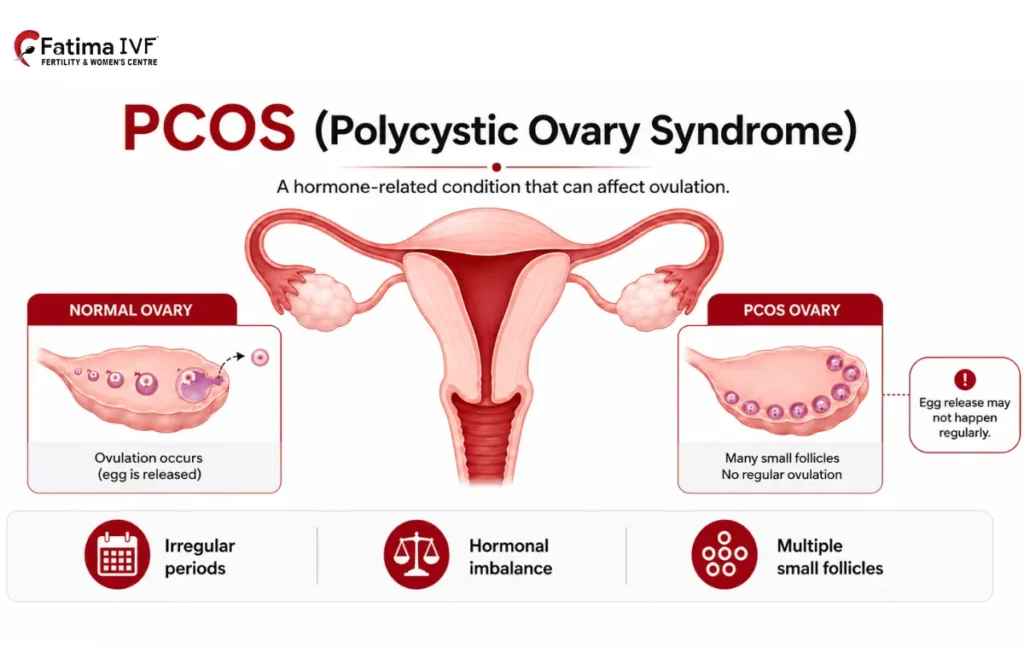
Common Symptoms of PCOS
PCOS symptoms tend to be more varied and can affect more than just the reproductive system.
- Very irregular or missed periods
- Difficulty losing weight
- Thinning hair on the scalp
- Dark patches of skin around the neck or underarms
- Mood changes or low motivation
Causes and Risk Factors of PCOS
PCOS is linked to a combination of genetic, hormonal, and metabolic factors. Insulin resistance plays a bigger role in PCOS than in PCOD, which is why weight management becomes especially important. A family history of PCOS, diabetes, or thyroid issues can also raise the risk. Chronic stress and disrupted sleep patterns can make hormone levels harder to control. Because PCOS affects hormones more broadly, it is usually monitored closely over the years rather than treated once and forgotten.
Difference Between PCOS and PCOD
Once you understand each condition on its own, telling PCOS and PCOD apart becomes much easier, since the two mainly vary in how deeply they affect hormones and fertility. PCOD is generally considered a milder condition tied to lifestyle habits, while PCOS is a broader hormonal disorder with wider effects on the body. Knowing which one you have helps your doctor choose the right treatment plan from the start.
PCOS vs PCOD: Quick Comparison Table
| Feature | PCOD | PCOS |
| Hormonal imbalance | Mild | More significant |
| Ovulation | Irregular, but usually happens | Can stop for months |
| Fertility impact | Usually easier to manage | May need more medical support |
| Long-term health risk | Lower | Higher (diabetes, cholesterol) |
| Treatment approach | Lifestyle-first | Lifestyle plus medication |
Difference in Hormonal Imbalance
The hormonal imbalance in PCOD is usually milder and centres around irregular egg release. In PCOS, the imbalance runs deeper, with higher androgen levels affecting skin, hair, and metabolism. This is one of the clearest points doctors use when explaining the difference between PCOS and PCOD to patients during a consultation. Blood tests often show more pronounced hormone shifts in PCOS than in PCOD. Understanding this helps set realistic expectations for treatment timelines.
Difference in Ovulation and Menstrual Cycle
Women with PCOD often ovulate less regularly but still have periods most months, sometimes with slight delays. In PCOS, ovulation can stop for months at a time, leading to very unpredictable cycles. This difference affects how easily a woman can track her fertile window. Doctors often use ultrasound scans to see how many follicles are maturing each cycle. Regular monitoring helps adjust treatment as the cycle pattern changes.
Difference in Fertility
Fertility challenges exist in both conditions, but they show up differently. PCOD usually allows for natural conception with some lifestyle support, while PCOS may need medical help to trigger regular ovulation. This is often the biggest concern for couples trying to understand the difference between PCOS and PCOD before starting a family. Fertility specialists look at hormone levels, scan results, and cycle history before suggesting the right approach. With the right plan, most women with either condition go on to conceive successfully.
Difference in Long-Term Health Risks
PCOD carries a lower long-term health risk when managed with diet and exercise. PCOS is linked to a higher chance of developing insulin resistance, type 2 diabetes, and heart-related concerns over time. Regular health check-ups become more important for women with PCOS as they age. Weight management plays a bigger protective role in PCOS than in PCOD. Early diagnosis helps reduce these risks significantly.
Difference in Treatment Approach
Treatment for PCOD often starts with diet, exercise, and stress management before any medication is needed. PCOS treatment usually combines lifestyle changes with medication to regulate hormones and support ovulation. Doctors tailor the plan based on symptoms, age, and whether the woman is trying to conceive. Follow-up visits help track progress and adjust the plan over time. Both conditions respond well when treatment starts early.
What Are the Symptoms of PCOS vs PCOD?
Symptoms Common to Both Conditions
Both PCOD and PCOS can cause irregular periods, mild weight gain, and occasional acne. Many women first notice these overlapping symptoms before any tests are done. A physical exam and a few basic tests usually clear up the confusion between the two. Tracking your cycle for a few months gives useful information before your appointment. This overlap is a common reason women schedule a consultation early rather than waiting.
Symptoms More Common in PCOS
PCOS often brings more visible hormonal symptoms such as extra facial hair, thinning scalp hair, and stubborn weight gain. Mood swings and low energy are also reported more often with PCOS. Skin changes like dark patches near the neck can appear as insulin resistance develops. These symptoms tend to build up gradually rather than appearing overnight. Recognising them early makes treatment more effective.
Symptoms More Common in PCOD
PCOD symptoms are usually milder and centre around irregular periods and occasional weight gain. Acne and oily skin are common but tend to be manageable with basic skincare and diet changes. Many women with PCOD do not notice major changes in hair growth or skin pigmentation. Fatigue can occur but is often linked to lifestyle factors rather than deep hormonal shifts. These milder symptoms are one reason PCOD sometimes goes unnoticed for a while.
Which is More Serious: PCOS or PCOD?
Health Complications of PCOS
PCOS is generally considered the more serious of the two conditions because of its wider impact on metabolism and long-term health, and this is often the clearest way to explain the how PCOS and PCOD differ to patients weighing their treatment options. It raises the risk of insulin resistance, high cholesterol, and type 2 diabetes if left unmanaged. Some women also experience sleep issues linked to hormonal shifts. Regular monitoring through blood tests helps catch these complications early. With consistent care, most of these risks can be controlled well.
Can PCOD Become PCOS?
PCOD does not automatically turn into PCOS, since they are different conditions with different root causes. However, if PCOD is left unmanaged for years alongside poor diet and inactivity, hormone levels can shift and start to resemble PCOS more closely. This is one reason doctors recommend early lifestyle changes rather than waiting. Regular check-ups help track whether hormone patterns are changing over time. Staying proactive is the best way to keep either condition well controlled.
How Are PCOS and PCOD Diagnosed?
Medical History and Physical Examination
Diagnosis usually begins with a detailed conversation about your periods, weight changes, and family history. Dr. Fathimunissa asks about lifestyle habits, stress levels, and any skin or hair changes you may have noticed. A physical exam checks for signs like excess hair growth or skin changes. This first step often narrows down which condition is more likely. It also helps decide which tests to run next.
For patients visiting our Chennai clinics, this first consultation usually takes under 30 minutes and helps decide which tests to run next.
MBBS, MS (OBG) · Fellowship in Fertility Medicine · Fellowship in Laparoscopy · Fertility Medicine (Germany)
20+ Years of Experience
✔ Medically Reviewed | Last updated: 21 July 2026
Ultrasound Scan
An ultrasound scan checks the ovaries for the number and size of follicles present. This scan helps show whether the pattern matches PCOD or PCOS more closely. It also checks the thickness of the uterine lining, which can affect fertility planning. The scan is quick, painless, and usually done in the clinic itself. Results are typically ready the same day.
Hormonal Blood Tests
Blood tests measure hormone levels such as LH, FSH, testosterone, and insulin. These results help confirm whether the hormonal pattern points to PCOD or PCOS. Thyroid function is also checked, since thyroid issues can mimic similar symptoms. Fasting blood sugar and insulin levels give a clearer picture of metabolic health. Together, these tests guide the most accurate treatment plan.
How Is PCOS and PCOD Treated?
Lifestyle Changes
Diet and exercise form the foundation of treatment for both conditions. Reducing processed sugar and refined carbs helps balance insulin levels naturally. Regular movement, even simple daily walks, supports better hormone regulation. Consistent sleep and lower stress levels also make a noticeable difference over a few months. Most women start noticing improvements in their cycle within three to six months of steady habits.
Medications
Doctors may prescribe medication to regulate periods, manage insulin levels, or reduce androgen effects like acne and hair growth. Birth control pills are sometimes used to regulate cycles when pregnancy is not the immediate goal. Medications like metformin help improve insulin sensitivity, especially in PCOS. Any medication is chosen based on your specific symptoms and health goals. Regular follow-ups help adjust dosage as needed.
Fertility Treatments
When natural conception does not happen within a reasonable time, fertility treatments can help support ovulation. Medications that stimulate the ovaries are often the first step for both PCOD and PCOS. Monitoring through scans ensures the ovaries respond safely to treatment. Some women may need a combination of medication and minor procedures to improve their chances. Each plan is built around the woman’s specific hormone pattern and goals.
When IVF May Be Recommended
IVF is usually considered when simpler fertility treatments have not led to pregnancy after several cycles. It may also be recommended if there are additional fertility factors alongside PCOS or PCOD. IVF involves stimulating the ovaries, collecting eggs, and transferring an embryo after fertilisation in the lab. This option gives more control over timing and monitoring throughout the process. Your doctor will only suggest IVF after considering all other options first.
Can Women with PCOS or PCOD Get Pregnant?
Pregnancy with PCOD
Most women with PCOD can conceive naturally once their cycle becomes more regular through diet and lifestyle changes. Tracking ovulation with simple methods like basal body temperature or ovulation kits can help time conception better. Weight management often improves natural fertility within a few months. Doctors may suggest mild medication if natural methods do not work within six to twelve months. Overall, the outlook for pregnancy with PCOD is quite positive.
Pregnancy with PCOS
Pregnancy with PCOS may take a bit more planning because ovulation can be less predictable. Fertility medications are often used to help trigger regular ovulation each month. Maintaining a healthy weight before conception improves both natural and medically assisted success rates. Regular monitoring during early pregnancy is also recommended for women with PCOS. Many women with PCOS go on to have healthy pregnancies with the right support.
Tips to Improve Fertility Naturally
Simple daily habits can support fertility alongside any medical treatment. Eating balanced meals with enough protein and fibre helps stabilise hormone levels. Staying active for at least thirty minutes most days supports healthy ovulation. Getting seven to eight hours of sleep each night helps regulate the hormones involved in the menstrual cycle. Reducing stress through activities like yoga or short walks can also support regular ovulation.
How Can Lifestyle Changes Help Manage PCOS and PCOD?
Healthy Diet
A balanced diet plays a central role in managing both conditions.
- Choose whole grains over refined flour and sugar
- Add more vegetables, fruits, and protein to each meal
- Limit fried and processed snacks
- Stay hydrated through the day
- Eat meals at consistent times to support insulin balance
Exercise and Weight Management
Regular movement helps the body use insulin more effectively, which supports hormone balance. A mix of walking, light strength training, and stretching works well for most women. Even thirty minutes a day, five days a week, can lead to noticeable improvement in a few months. Weight loss of just five to ten percent can improve ovulation in many cases. Consistency matters more than intensity when it comes to long-term results.
Stress Reduction
High stress levels can raise cortisol, which affects other hormones involved in the menstrual cycle. Simple practices like deep breathing, short walks, or a hobby you enjoy can lower daily stress. Getting enough rest and taking short breaks during the day also helps. Many women notice better sleep and mood once stress is managed more consistently. Small daily habits often make a bigger difference than occasional intense effort.
Sleep and Hormonal Health
Good sleep supports the hormones that regulate ovulation and metabolism. Aim for seven to eight hours of consistent sleep each night. Keeping a regular bedtime and limiting screen time before bed can improve sleep quality. Poor sleep can worsen insulin resistance, which affects both PCOD and PCOS. Prioritising rest is a simple but powerful part of managing either condition.
When Should You See a Fertility Specialist?
If your periods have been irregular for more than three months, or if you have been trying to conceive for over a year without success, it is a good time to speak with a specialist. Women under thirty-five are usually advised to try for a year before seeking help, while women over thirty-five may want to consult sooner. Sudden changes in weight, hair growth, or skin can also be a good reason to book a check-up. Dr. Fathimunissa brings over 20 years of experience in reproductive medicine, including advanced fertility training in Germany, to help you understand your symptoms and next steps clearly. Early evaluation often leads to simpler and faster treatment options.
Patients visiting from areas across Chennai often begin their search with simple questions like what is pcod and pcos, since the terms are easy to mix up at first. Others come in wanting to understand the symptoms of pcos and pcod side by side before their appointment, especially if a family member has already been diagnosed. It’s a common myth that pcod and pcos is same, but a short consultation and a couple of basic tests usually clear up the confusion quickly. Dr. Fathimunissa’s clinic is easy to reach for patients across the city and offers flexible appointment slots for working women.
Conclusion
Understanding the PCOD vs PCOS helps you make informed choices about your health, whether you are managing symptoms or planning a pregnancy. Both conditions respond well to early diagnosis, steady lifestyle changes, and the right medical guidance. Dr. Fathimunissa works closely with each patient to build a treatment plan that fits her specific hormone pattern and goals. With consistent care, most women go on to manage their symptoms and fertility successfully. If you have questions about your own cycle or symptoms, a simple consultation is a good place to start.