By Dr. Fathimunissa, Fatima IVF & Women’s Centre, Anna Nagar & Triplicane, Chennai
If your pregnancy has been called “high risk,” it does not mean something is wrong right now — it means your care team is watching a little more closely. Recognizing high risk pregnancy symptoms early is one of the simplest ways to protect both you and your baby. In this guide, I want to walk you through the signs I ask my own patients to watch for, when to call me, and when to head straight to the hospital.
What Is a High-Risk Pregnancy?
A high-risk pregnancy means you and your baby need closer monitoring than usual because of a health condition, a pregnancy complication, or a personal risk factor. It does not mean something bad will happen — it means your doctor wants to catch problems early, while they are still easy to manage.
Definition of a High-Risk Pregnancy
In my practice, I define a high-risk pregnancy as one where a medical condition — existing before pregnancy or developing during it — raises the chance of complications for the mother, the baby, or both. This could be something as common as high blood pressure or something that shows up only on an ultrasound, like a low-lying placenta.
Who Is More Likely to Have a High-Risk Pregnancy?
Certain patients need extra attention from the very first visit. In my clinic, I see this most often in women who are under 18 or over 35, who are carrying twins or more, or who have a history of pregnancy loss or preterm birth. Women with obesity, thyroid disorders, or a family history of diabetes also tend to need closer follow-up.
Common Causes and Risk Factors
The most common risk factors I discuss with patients include pre-existing high blood pressure, diabetes, autoimmune conditions like lupus, a history of C-section or uterine surgery, and lifestyle factors such as smoking. Some risks only appear during pregnancy itself, such as gestational diabetes or preeclampsia, which is why regular check-ups matter even if you felt perfectly fine at your first visit.
What Are the Common High-Risk Pregnancy Symptoms to Watch For?
The most common high-risk pregnancy symptoms include heavy vaginal bleeding, severe or constant abdominal pain, a headache that won’t go away, sudden swelling, and a noticeable drop in your baby’s movements — any of these deserves a same-day call to your doctor. Below, I’ve broken down each symptom in more detail, based on what I ask my own patients to track.
Severe Vaginal Bleeding
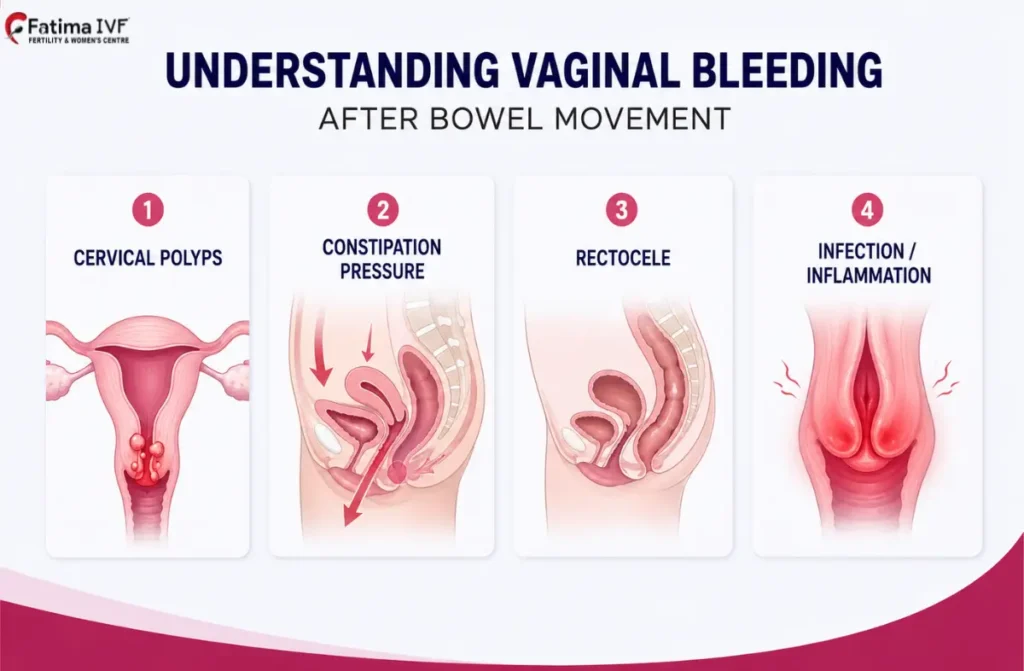
Bleeding that soaks through a pad in an hour, or bleeding accompanied by cramping, is never something to wait out. I’ve had patients assume light spotting was “normal,” and while spotting can be harmless, heavy bleeding needs to be checked the same day.
Persistent Severe Abdominal Pain or Cramping
Mild, occasional cramping is common as your uterus stretches. But pain that is constant, sharp, or one-sided — especially paired with dizziness — can point to something like placental abruption or an ectopic pregnancy in early stages, and I always ask patients to call me right away.
Severe Headache That Doesn’t Go Away
A headache that doesn’t respond to rest, water, or paracetamol, particularly in the second half of pregnancy, is one of the sign of high risk pregnancy indicators I take most seriously, since it can be an early marker of preeclampsia.
Blurred Vision or Vision Changes
Seeing spots, flashing lights, or sudden blurriness — especially alongside a headache or swelling — is a combination I never dismiss. This pattern often shows up together with rising blood pressure.
Sudden Swelling of the Face, Hands, or Feet
Some swelling in the feet by evening is completely normal, especially in the third trimester. What concerns me is swelling that appears suddenly, spreads to the face or hands, or doesn’t go down after a night’s rest.
High Blood Pressure Symptoms
Along with headache and swelling, watch for sudden weight gain, upper right-side abdominal pain, or a general feeling of unwellness. I check blood pressure at every visit precisely because these symptoms can build quietly before a patient notices anything.
Reduced or No Fetal Movement
By around 28 weeks, most babies settle into a movement pattern you’ll come to recognize. A noticeable drop in movement, or none at all over a few hours despite trying to encourage activity, is one of the warning signs in high risk pregnancy that I want a patient to come in for immediately, no matter the time of day.
Leaking Amniotic Fluid
A sudden gush or a slow, steady trickle of clear or pale fluid can mean your water has broken, even weeks before your due date. This always warrants a call to your care team, regardless of whether contractions have started.
Frequent Contractions Before 37 Weeks
Tightening that comes and goes every few minutes before 37 weeks — especially with lower back pressure or pelvic pressure — can be a sign of preterm labor. I ask patients to time these and call if they don’t ease up after resting and hydrating.
High Fever or Chills
A temperature above 100.4°F (38°C), especially with chills, body aches, or pain while urinating, can point to an infection that needs prompt treatment during pregnancy.
Severe Shortness of Breath or Chest Pain
Some breathlessness is expected as your baby grows and presses on your lungs. Sudden, severe breathlessness or chest pain, though, needs emergency evaluation, as it can signal a blood clot or a heart-related issue.
Persistent Vomiting and Dehydration
Morning sickness is common early on, but vomiting that continues into the second trimester, or that leaves you unable to keep fluids down for a day, can lead to dehydration that affects both you and your baby.
Symptoms That Require Immediate Medical Attention
Emergency Warning Signs
Some symptoms should never wait for a “regular” appointment: heavy bleeding, severe unrelenting abdominal pain, seizures, sudden severe headache with vision changes, or a baby who has stopped moving. These call for immediate action, not a wait-and-see approach.
When to Call Your Healthcare Provider
Call your provider the same day for milder but persistent symptoms — a headache that lingers for hours, mild swelling that seems unusual, spotting without pain, or a fever under 101°F. When in doubt, calling costs nothing; waiting sometimes does.
When to Go to the Emergency Room
Go straight to the hospital for heavy bleeding, severe pain, signs of seizure, fluid leaking with reduced movement, or breathing difficulty. I tell my patients: if you’re debating whether it’s serious enough, it’s serious enough to get checked.
Symptoms by Pregnancy Trimester
First Trimester Warning Signs
In the first trimester, watch for heavy bleeding with cramping, severe pelvic pain (which can indicate an ectopic pregnancy), and vomiting so severe you cannot keep any fluids down.
Second Trimester Warning Signs
The second trimester is when I start screening more closely for early signs of high risk pregnancy symptoms such as rising blood pressure, unusual swelling, or reduced fetal movement, since these often first appear between 20 and 28 weeks.
Third Trimester Warning Signs
Closer to your due date, contractions before 37 weeks, fluid leaking, decreased movement, and severe headache or vision changes become the symptoms I focus on most, since the risk of preterm labor and preeclampsia rises during this window.
Conditions Associated With High-Risk Pregnancy Symptoms
Preeclampsia
Preeclampsia is high blood pressure that develops after 20 weeks, often with protein in the urine, swelling, and headaches. Left unmonitored, it can progress quickly, which is why I check blood pressure and urine at every visit in the third trimester.
Gestational Diabetes
This is diabetes that develops during pregnancy and usually resolves after delivery. It’s typically caught through a routine glucose test around 24-28 weeks, and managing it well protects your baby from growing too large too fast.
Placenta Previa
This happens when the placenta partially or fully covers the cervix. It’s usually found on a routine ultrasound and can cause painless bleeding later in pregnancy — one reason I never skip anatomy scans.
Placental Abruption
This is when the placenta separates from the uterine wall before delivery, often causing sudden pain and bleeding. It’s a genuine emergency and one of the reasons I stress calling immediately for severe, sudden abdominal pain.
Preterm Labor
Labor that begins before 37 weeks can sometimes be slowed with medication and rest if caught early, which is why recognizing contractions and pelvic pressure matters so much.
Multiple Pregnancy (Twins or More)
Carrying twins or more naturally raises the chances of preterm labor, preeclampsia, and gestational diabetes, so I schedule these patients for more frequent visits from early on.
How High-Risk Pregnancy Symptoms Are Diagnosed
Physical Examination
At every visit, I check blood pressure, weight gain, swelling, and the height of your uterus, since small changes here often give the earliest clues.
Blood and Urine Tests
Routine blood work checks for anemia, gestational diabetes, and thyroid function, while urine tests screen for protein and infection — both simple, quick, and done at nearly every visit.
Ultrasound and Fetal Monitoring
Ultrasounds track your baby’s growth, position, and fluid levels, while fetal heart monitoring, especially in the third trimester, helps confirm your baby is tolerating everything well.
Treatment and Management
Lifestyle Changes
Depending on your specific risk, I may recommend adjusted activity levels, dietary changes, or more rest — always tailored to your situation rather than a one-size-fits-all rule.
Medications
Blood pressure medication, insulin, or blood thinners are prescribed only when needed, and always chosen with pregnancy safety as the first priority.
Hospital Monitoring
Some conditions need a short hospital stay for closer monitoring, particularly if blood pressure rises quickly or contractions start early.
Delivery Planning
For many high-risk pregnancies, we plan delivery timing and method in advance, balancing your baby’s growth against any risks of waiting longer.
Tips for a Healthy High-Risk Pregnancy
- Attend every prenatal appointment, even when you’re feeling well
- Track your blood pressure and blood sugar if advised
- Eat a balanced diet with enough protein, iron, and folate
- Stay hydrated and rest when your body asks for it
- Learn your baby’s regular movement pattern so you’ll notice changes quickly
Attend Regular Prenatal Appointments
Regular visits let us catch high risk pregnancy symptoms before they become emergencies — many of the conditions above are found on a routine check, not because a patient felt unwell.
Monitor Blood Pressure and Blood Sugar
If you’ve been asked to track these at home, a simple daily log helps us spot trends long before a single reading looks alarming.
Eat a Balanced Diet
Focus on whole grains, lean protein, vegetables, and enough iron-rich foods, especially if anemia has been a concern in your reports.
Stay Hydrated and Rest Well
Dehydration can trigger contractions and headaches, so aim for consistent water intake through the day, not just when you feel thirsty.
Know Your Baby’s Movement Pattern
Spend a few quiet minutes each day noticing your baby’s usual activity — this personal baseline is often more useful than any general guideline.
How to Reduce the Risk of Pregnancy Complications
Before Pregnancy
If you’re planning a pregnancy, a preconception visit to manage existing conditions like thyroid issues or diabetes goes a long way toward a smoother nine months.
During Pregnancy
Consistent prenatal care, a balanced diet, avoiding smoking and alcohol, and prompt reporting of new symptoms all lower your overall risk.
After Delivery
Risk doesn’t end at delivery — conditions like preeclampsia can appear up to six weeks postpartum, so keep your follow-up appointments even after your baby arrives.
Conclusion
Being told your pregnancy is high risk can feel overwhelming, but most of the time, it simply means extra eyes are on your journey. Knowing the high risk pregnancy symptoms to watch for — and trusting your instincts when something feels off — is one of the most powerful tools you have. At my clinic in Anna Nagar and Triplicane, Chennai, I encourage every patient to call rather than wait, because catching small changes early almost always leads to the best outcomes for you and your baby.