
Safety Rate
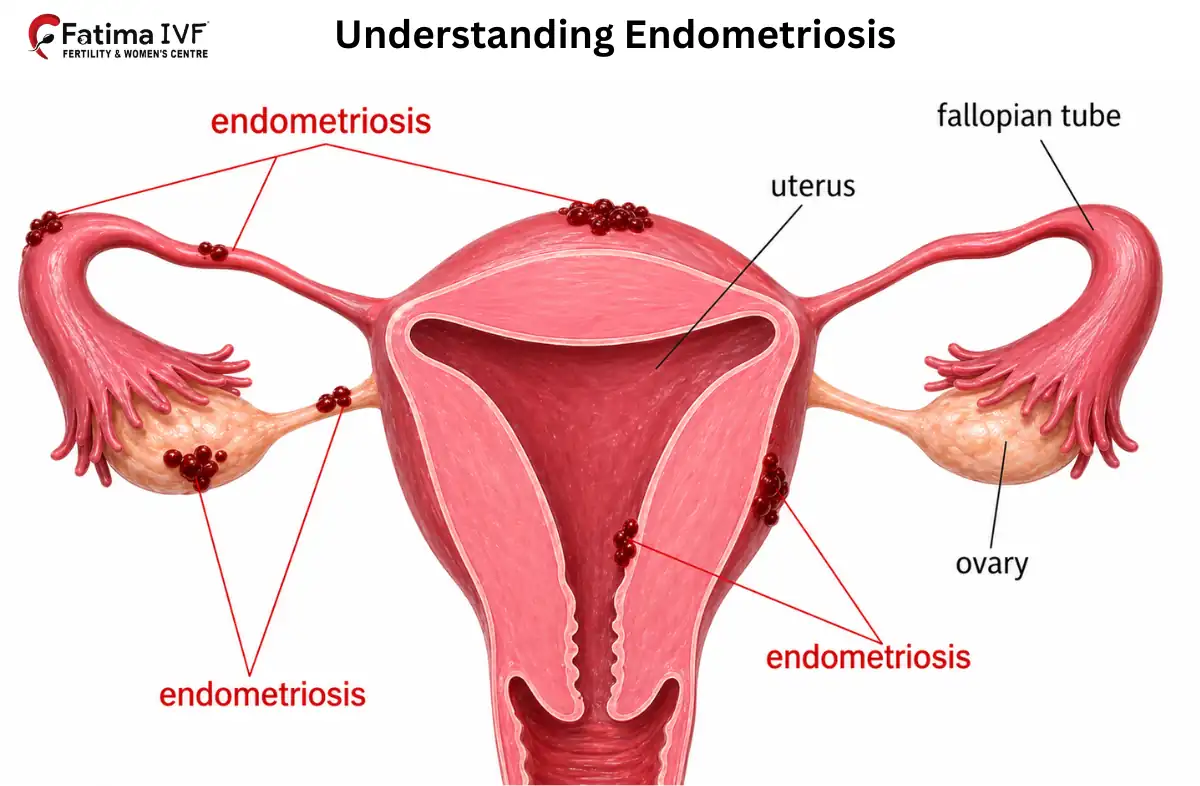
Endometriosis is a condition where tissue that normally grows inside the uterus starts growing outside it. This tissue behaves the same way as the uterine lining — it thickens, breaks down, and bleeds every month during your period. But because it has no way to leave the body, it gets trapped and causes pain, swelling, and sometimes scar tissue.
This trapped tissue can affect the ovaries, fallopian tubes, and the tissue lining the pelvis. In some cases, it also spreads to other nearby organs. The result is often severe menstrual pain, bloating, painful sex, and in many women, trouble conceiving.
The good news is that with the right Endometriosis Treatment, all of this can be managed well. Early diagnosis and proper care can greatly reduce symptoms and protect your fertility for the future.
Endometriosis can affect any woman in her reproductive years — usually between the ages of 15 and 49. It is more common than most people realise, affecting roughly 10% of women worldwide. Despite being so common, it often goes undiagnosed for years because the symptoms can be confused with regular period pain.
Not every case of endometriosis is the same. The condition is usually categorised based on where the tissue grows and how deep it goes. Dr. Fathimunissa evaluates each patient individually to understand which type they have and what kind of Endometriosis Treatment will work best for them.
This is the most common and least severe form. The tissue grows on the thin layer of tissue that lines the pelvis and covers the abdominal organs. The lesions are shallow but can still cause significant pain during periods.
In this type, tissue grows inside the ovary and forms cysts filled with old, dark blood. These are sometimes called 'chocolate cysts' because of their colour. They can affect egg quality and may reduce fertility if not addressed.
This is one of the more serious forms. The tissue grows deep into the pelvic organs, including the bladder, bowel, and ligaments. It causes severe pain, especially during bowel movements, urination, or sexual intercourse.
A less common form where the tissue appears on the abdominal wall, often near a previous surgical scar such as a caesarean scar. It causes localised pain that gets worse around the time of menstruation.
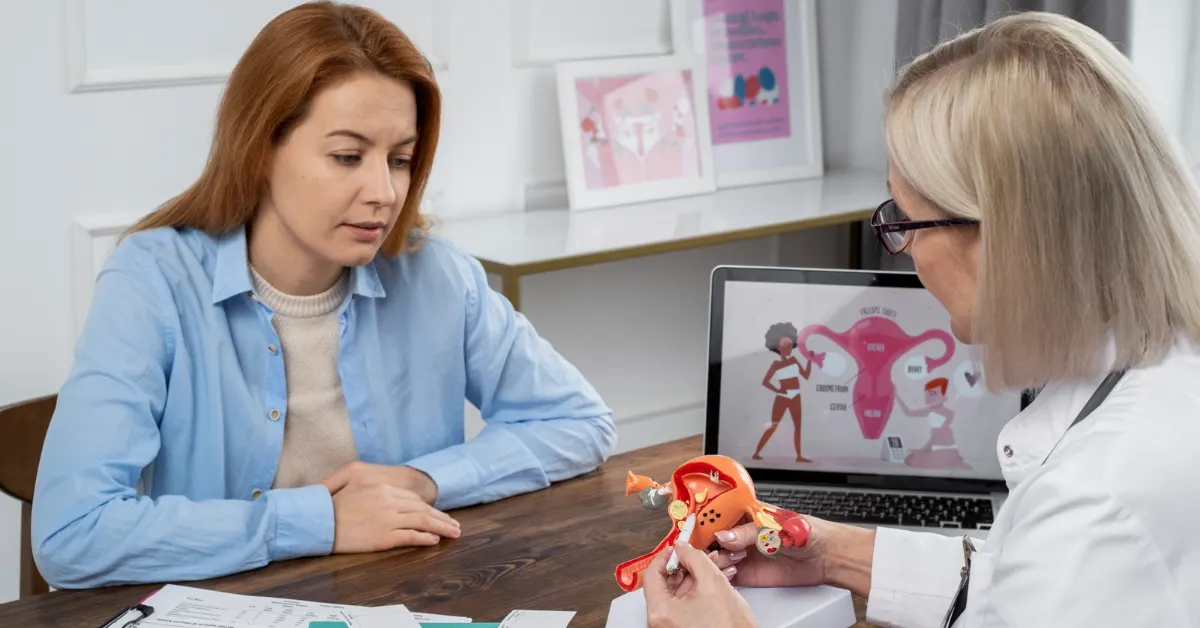
Getting a proper diagnosis is the first and most important step towards healing. Many women live with unexplained pain for years before finding out what is actually happening in their body. At Fatima Fertility Centre, Dr. Fathimunissa uses a careful, thorough approach to identify endometriosis accurately.
Early and accurate diagnosis leads to faster relief. If you have been experiencing painful periods or unexplained pelvic pain, do not delay getting checked.
There is no one-size-fits-all approach to Endometriosis Treatment. The best plan depends on the type and stage of the condition, how severe the symptoms are, the patient's age, and whether she wants to conceive in the future. Dr. Fathimunissa at Fatima Fertility Centre creates a personalised treatment plan for every patient she sees.
For mild to moderate cases, medicines are often the first line of care. Common options include non-steroidal anti-inflammatory drugs (NSAIDs) that reduce pain and inflammation. These work well for managing period pain and day-to-day discomfort.
Because endometriosis is driven by hormones — specifically oestrogen — hormonal treatments are very effective at slowing the growth of the tissue. Options include combined oral contraceptive pills, progestins, GnRH agonists, and hormonal IUDs. These help regulate or stop the monthly cycle, which reduces the bleeding and pain caused by endometrial tissue outside the uterus.
When medicines alone are not enough, or when the condition is more advanced, surgery is recommended. Laparoscopy is a minimally invasive procedure that allows Dr. Fathimunissa to remove or destroy the endometrial tissue that has grown outside the uterus. It is also the most effective option for women with ovarian cysts caused by endometriosis, and for those who want to improve their chances of getting pregnant naturally.
Most patients return home the same day or within 24 hours. Recovery is generally quick and well-tolerated.
For women who wish to conceive, the treatment approach is carefully planned to preserve and improve fertility. Depending on the situation, Dr. Fathimunissa may recommend surgical removal of cysts followed by IVF, or IUI combined with hormonal support. Each plan is designed to give the best possible chance of a successful pregnancy while treating the condition at the same time.
In many cases, the most effective path is a combination of surgery and hormone therapy. After surgery removes the visible tissue, hormonal treatment helps prevent it from coming back. Dr. Fathimunissa works closely with each patient to decide what combination makes the most sense for their body and their goals.
Seeking proper Endometriosis Treatment is one of the best decisions a woman can make for her health and wellbeing. Here is what you can realistically expect when you receive the right care:
One of the most common questions patients ask is about the cost involved. The cost of Endometriosis Treatment in Chennai can vary depending on several factors, including the type and stage of endometriosis, whether surgery is needed, which medications or hormonal therapies are prescribed, and the number of follow-up visits required.
| Type of Treatment | Approximate Cost Range |
| Medical Management (Medicines + Hormones) | ₹2,000 – ₹8,000 per month |
| Diagnostic Laparoscopy | ₹25,000 – ₹55,000 |
| Operative Laparoscopy (cyst removal / tissue excision) | ₹50,000 – ₹1,20,000 |
| Hormonal Therapy (long-term) | ₹3,000 – ₹10,000 per month |
| Fertility Treatment (IUI / IVF combined) | ₹40,000 – ₹1,50,000+ |
These are approximate ranges to give you an idea of what to expect. During your first consultation with Dr. Fathimunissa, you will receive a clear breakdown of the cost based on your specific condition and the treatment plan recommended for you.
At Fatima Fertility Centre, we believe every woman deserves access to quality care. Our team is transparent about costs and works with patients to find a plan that suits both their medical needs and financial situation.
Recovery depends largely on the type of treatment received. For women on medical or hormonal therapy, there is no physical recovery period — it simply involves taking the prescribed medicines regularly and attending follow-up appointments.
Most women who undergo laparoscopic surgery are able to go home within 24 hours. Mild soreness and bloating in the first few days is normal and typically eases with rest. Most patients return to daily activities within 5 to 7 days and resume full normal life within 2 to 3 weeks.
Dr. Fathimunissa provides detailed post-operative guidance to help the recovery go smoothly. Patients are advised to avoid heavy lifting or strenuous exercise for a few weeks and to attend all scheduled follow-up visits so that progress can be monitored properly.
Endometriosis is a chronic condition, meaning it can return even after treatment. However, with the right ongoing care, most women are able to keep symptoms well under control and maintain a good quality of life. Regular follow-ups, lifestyle adjustments, and continued communication with Dr. Fathimunissa make a significant difference in long-term outcomes.
For women who want to become pregnant, many are able to conceive either naturally or with fertility support after receiving appropriate Endometriosis Treatment. The chances are especially good when treatment is started early and managed carefully.
Many women put off seeing a doctor because they assume painful periods are just a normal part of life. They are not. If any of the following apply to you, it is time to speak with a specialist like Dr. Fathimunissa.
The earlier endometriosis is identified, the easier it is to treat and the better the outcomes. Do not wait for symptoms to get worse before seeking help.
Dr. Fathimunissa is a highly experienced gynaecologist and fertility specialist based in Chennai. She is the founder and lead consultant at Fatima Fertility Centre, a trusted name in women's reproductive health in the city.
With a deep understanding of conditions like endometriosis, PCOS, fibroids, and infertility, Dr. Fathimunissa has helped countless women find answers and get the care they deserve. Her approach is patient-first — she takes the time to listen, explain, and build a treatment plan that truly fits each individual's situation.
She uses the latest diagnostic tools and surgical techniques to ensure accurate results and safe outcomes. Her expertise in laparoscopic surgery means that patients benefit from minimally invasive procedures with faster recovery and less discomfort.
Patients who visit Fatima Fertility Centre appreciate the warm, judgement-free environment where they feel heard and supported at every step of their journey.
Endometriosis is a real, diagnosable, and very treatable condition. You do not have to keep managing pain on your own or assume it is just how periods are supposed to feel. With the right support, you can get clear answers, effective treatment, and a much better quality of life.
Dr. Fathimunissa at Fatima Fertility Centre in Chennai offers compassionate, evidence-based Endometriosis Treatment that is personalised to your needs. Whether you are looking to reduce pain, protect your fertility, or finally get a diagnosis after years of uncertainty — her clinic is the place to start.
Take the first step today. Book your consultation with Dr. Fathimunissa and get the care and answers you deserve.
Meet our experienced team of anaesthesiologists dedicated to your safety and comfort

Director

SENIOR EMBRYOLOGIST

JUNIOR EMBRYOLOGIST

FERTILITY COUNSELLOR
While there’s no absolute cure, effective Endometriosis Treatment in Chennai can control symptoms, reduce recurrence, and improve fertility.
Not always. Mild cases respond well to hormonal therapy and lifestyle management under expert supervision.
Yes, but with proper Endometriosis Treatment, many women conceive naturally or through assisted reproduction.
It’s minimally invasive, with quick recovery and minimal post-surgical discomfort.
Recurrence is possible, but early diagnosis, proper medication, and lifestyle management help prevent it.
Take the first step toward parenthood. Book an appointment with our expert team to receive expert guidance, emotional support, and advanced fertility solutions designed just for you.