Ovulation is one of the most important processes in a woman’s reproductive health. It happens when the ovary releases a mature egg every month for pregnancy. When this process becomes irregular or stops completely, it is called ovulation problems. Many women experience this condition due to stress, hormonal imbalance, unhealthy lifestyle habits, thyroid disorders, or medical conditions like PCOS. Ovulation problems can affect fertility, menstrual cycles, emotional health, and overall well being. The good news is that proper diagnosis, healthy lifestyle changes, and timely medical care can improve ovulation naturally and medically. Understanding the signs early helps women take better care of their reproductive health and future pregnancy plans.
What are Ovulation Problems?
- Ovulation problems occur when the ovary does not release eggs regularly or fails to release eggs completely. This condition can lead to irregular periods, missed cycles, or difficulty becoming pregnant. Some women may not even realize they have ovulation issues until they try for pregnancy.
- The menstrual cycle depends on balanced hormones. When hormones like estrogen, progesterone, luteinizing hormone, or follicle stimulating hormone become unbalanced, ovulation may not happen correctly. In some cases, ovulation may happen late, very early, or not at all.
- Women of different age groups can experience ovulation issues. Teenagers with newly started periods, working women under stress, and women nearing menopause commonly face these concerns.
Common Causes of Ovulation Problems
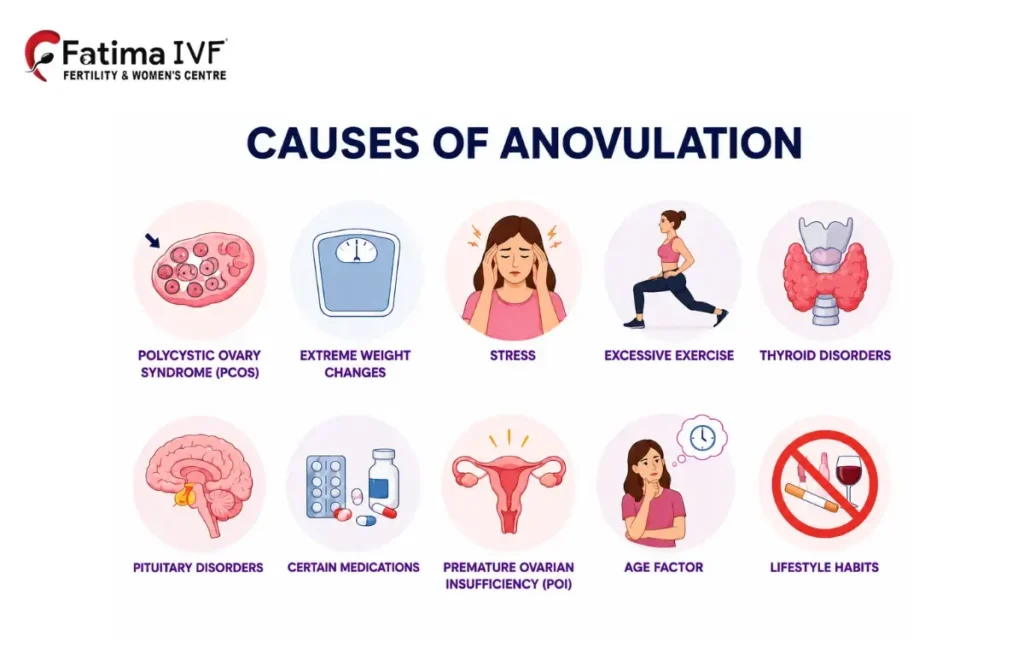
- Polycystic Ovary Syndrome: PCOS is one of the leading causes of ovulation problems. Women with PCOS often have irregular periods, acne, weight gain, and excess facial hair. Small cysts in the ovaries affect hormone balance and prevent proper egg release.
- Thyroid Disorders: Both hypothyroidism and hyperthyroidism can interfere with normal ovulation. The thyroid gland controls many hormonal activities in the body. When thyroid levels become abnormal, menstrual cycles may change.
- Stress and Emotional Pressure: Mental stress affects hormone production in the brain. High stress levels can delay or stop ovulation completely. Lack of sleep, emotional trauma, and work pressure also contribute to hormonal imbalance.
- Excessive Weight Gain or Weight Loss: Body weight plays an important role in fertility. Obesity can increase insulin resistance and hormone imbalance, while sudden weight loss can stop ovulation due to nutritional deficiencies.
- Premature Ovarian Insufficiency: Some women experience reduced ovarian function before the age of forty. This condition lowers egg production and affects fertility.
- High Prolactin Levels: Increased prolactin hormone can prevent normal ovulation. This may happen due to certain medications or pituitary gland problems.
- Poor Lifestyle Habits: Smoking, alcohol intake, unhealthy food choices, lack of exercise, and irregular sleep patterns may negatively affect reproductive hormones.
Symptoms of Ovulation Problems
Women with ovulation problems may notice several physical and hormonal changes. Symptoms vary from person to person.
- Irregular Periods: Menstrual cycles may become unpredictable. Some women may skip periods for months.
- Difficulty Getting Pregnant: Ovulation issues are one of the common reasons for infertility in women.
- Heavy or Very Light Bleeding: Changes in hormone levels may alter menstrual flow.
- Acne and Oily Skin: Hormonal imbalance may increase androgen hormones and cause acne.
- Excess Hair Growth: Some women develop unwanted facial or body hair due to hormonal disturbances.
- Pelvic Discomfort: Occasional lower abdominal pain may occur during irregular ovulation.
- Mood Swings and Fatigue: Hormonal changes may affect emotional balance, energy levels, and sleep quality.
How Doctors Diagnose Ovulation Problems
Proper diagnosis helps identify the exact reason behind ovulation issues. Doctors usually recommend several tests and evaluations.
- Medical History Review: The doctor may ask about menstrual cycles, weight changes, lifestyle habits, stress levels, and previous medical conditions.
- Hormone Blood Tests: Blood tests help evaluate estrogen, progesterone, thyroid hormones, insulin, and prolactin levels.
- Ultrasound Scan: Pelvic ultrasound helps check ovarian follicles, cysts, and reproductive organ health.
- Ovulation Tracking: Doctors may suggest tracking basal body temperature, ovulation kits, or cervical mucus changes.
- Additional Fertility Tests: In some cases, further fertility evaluations may be required to check egg reserve and reproductive function.
How Ovulation Problems Affect Fertility
- Ovulation is necessary for natural pregnancy. Without proper egg release, fertilization cannot occur. Irregular ovulation reduces the chances of conception because the timing becomes unpredictable.
- Women with long menstrual gaps may release eggs less frequently. Some women may not ovulate at all. This situation can create emotional stress and relationship concerns for couples trying to conceive.
- However, modern fertility treatments and early intervention can significantly improve pregnancy success rates. Many women with ovulation problems successfully conceive after proper treatment and lifestyle changes.
Lifestyle Changes that Support Healthy Ovulation
Healthy habits play a major role in improving hormonal balance and fertility.
- Eat Nutrient Rich Foods: A balanced diet supports hormone production and reproductive health. Include fruits, vegetables, whole grains, nuts, seeds, and protein rich foods.
- Maintain Healthy Weight: Even small weight reduction can improve ovulation in overweight women. Regular physical activity helps regulate hormones naturally.
- Reduce Stress: Yoga, meditation, breathing exercises, and relaxation activities help lower stress hormones.
- Sleep Properly: Poor sleep affects hormonal cycles. Aim for regular sleep schedules and adequate rest.
- Stay Hydrated: Water supports body metabolism and overall reproductive function.
- Avoid Smoking and Alcohol: Toxic substances can damage egg quality and hormone balance.
Medical Treatments for Ovulation Problems
Treatment depends on the underlying cause and the woman’s reproductive goals.
- Ovulation Induction Medicines: Doctors may prescribe medicines that stimulate the ovaries to release eggs regularly.
- Hormonal Therapy: Hormonal medications help correct thyroid disorders, insulin resistance, or prolactin imbalance.
- PCOS Management: Women with PCOS may require lifestyle modifications, insulin regulating medicines, and fertility support.
- Fertility Treatments: If ovulation does not improve naturally, doctors may recommend fertility treatments such as intrauterine insemination or IVF to increase pregnancy chances.
- Surgery in Rare Cases: Certain structural abnormalities or ovarian cysts may require surgical treatment.
Natural Ways to Improve Ovulation
Refer combining medical treatment with natural wellness methods.
- Balanced Exercise: Moderate exercise improves blood circulation and insulin sensitivity. Avoid intense exercise routines, as overtraining may negatively affect hormonal balance and ovulation hMany women health.
- Healthy Fats: Foods rich in omega three fatty acids help support healthy reproductive hormone function and overall fertility health.
- Reduce Sugar Intake: High sugar intake may worsen insulin resistance and ovulation problems.
- Herbal Support: Some women use herbal remedies under medical supervision for hormone support. Professional guidance is important before using supplements.
- Track Menstrual Cycles: Cycle tracking helps women understand their fertility patterns and recognize irregular changes early.
Emotional Impact of Ovulation Problems
- Ovulation disorders affect not only physical health but also emotional well being. Many women experience anxiety, frustration, sadness, or low confidence due to fertility struggles.
- Social expectations and family pressure can sometimes increase emotional stress and mental burden in women. Open communication with partners, emotional support, and professional counseling can help women cope better.
- Mental wellness is equally important during fertility treatment. A positive and calm mindset supports overall health and treatment success.
When to See a Doctor
- Women are advised to see a doctor if they experience irregular menstrual cycles, missed periods, unusual hair growth, severe acne, unexpected weight changes, or trouble becoming pregnant despite regular attempts.
- Early medical care improves the chances of successful treatment and future fertility.
Preventing Ovulation Problems
- Not all ovulation problems can be prevented, but healthy habits can reduce risk factors.
- Maintain balanced nutrition, regular exercise, stress management, and hormonal health checkups. Early treatment for thyroid disorders and PCOS also helps prevent complications.
- Routine gynecological evaluations are important for reproductive wellness.
Ovulation Problems and PCOS Connection
- PCOS and ovulation problems are strongly connected. Women with PCOS often experience irregular egg release due to excess androgen hormones and insulin resistance.
- Symptoms may include irregular periods, obesity, acne, dark skin patches, and infertility. Proper treatment with lifestyle correction and hormone management can improve ovulation significantly.
- Weight management is one of the most effective methods for improving fertility in women with PCOS.
Importance of Hormonal Balance
- Hormones work together like a coordinated system. Even a small imbalance can affect ovulation and fertility.
- Healthy eating, proper sleep, regular activity, and medical care help maintain hormone balance naturally. Ignoring symptoms may lead to long term reproductive complications.
- Women should understand that reproductive health is closely connected to overall body health.
Foods that Help Support Ovulation
Certain foods help improve reproductive wellness naturally.
- Leafy Green Vegetables: Rich in iron and folic acid that support fertility.
- Nuts and Seeds: Contain healthy fats and antioxidants for hormone support.
- Eggs: Provide protein and important nutrients for reproductive function.
- Fruits: Fresh fruits contain vitamins and antioxidants that improve overall wellness.
- Whole Grains: Help maintain balanced insulin levels and steady energy.
- Fish: Omega three fatty acids support hormone production and reduce inflammation.
Healthy food choices improve not only ovulation but also overall energy and wellness.
Myths About Ovulation Problems
Myth One: Irregular Periods Are Always Normal
Irregular periods should not be ignored because they may indicate hormonal imbalance.
Myth Two: Only Older Women Have Ovulation Problems
Young women can also experience ovulation disorders due to stress, PCOS, or thyroid issues.
Myth Three: Pregnancy Is Impossible
Many women successfully conceive after treatment and healthy lifestyle changes.
Myth Four: Weight Does Not Affect Fertility
Body weight strongly influences hormone balance and ovulation.
Myth Five: Stress Has No Role
Mental stress significantly affects reproductive hormones and menstrual cycles.
Conclusion
Ovulation problems are common among women and can affect menstrual health, fertility, emotional wellness, and confidence. The condition may develop due to hormonal imbalance, PCOS, stress, thyroid disorders, or unhealthy lifestyle habits. Recognizing symptoms early and seeking proper medical care can improve ovulation and increase pregnancy chances. Healthy eating, regular exercise, stress management, and medical treatment play important roles in reproductive wellness. With proper support and awareness, women can manage ovulation problems effectively and lead healthier, happier lives.