
IVF success rates in Chennai typically range from 40-50% per cycle for women under 35, gradually decreasing to 10-15% for women above 40, depending on egg quality, uterine health, and the fertility centre’s lab standards.
Choosing where to begin fertility treatment is one of the biggest decisions a couple will make, and understanding the IVF Success Rate in Chennai is usually the first question that comes up. At Fatima IVF Fertility Centre, Dr. Fathimunissa and her team believe that clear, honest information helps patients feel more prepared and less anxious about the process ahead. This page walks through what actually influences IVF outcomes, how success is measured by age group, and what you can reasonably expect at each stage of treatment.
What Is the IVF Success Rate in Chennai?
When people search for information mid-way through their fertility journey, they often want a single number, but the real answer to the IVF Success Rate in Chennai depends on several overlapping factors working together. A woman’s age, the quality of eggs and sperm, the health of the uterus, and the skill of the embryology lab all play a part in the final outcome. Reputable clinics report these numbers transparently, cycle by cycle, rather than offering a single average that hides the variation between younger and older patients.
Average IVF Success Rates by Age
Success rates in IVF are almost always reported by age band because age is the single strongest predictor of outcome. Broadly, clinics across India report the following patterns per embryo transfer cycle:
- Women under 35: roughly 40–50% success per cycle
- Women 35–37: roughly 30–40% success per cycle
- Women 38–40: roughly 20–30% success per cycle
- Women above 40: roughly 10–15% success per cycle, often improving with donor eggs
These figures shift slightly from clinic to clinic depending on lab standards and patient profiles, so they should be treated as a general guide rather than a guarantee for any individual case.
Pregnancy Rate vs Live Birth Rate
Many clinics quote a pregnancy rate, which simply means a positive blood test after embryo transfer, but this is not the same as a live birth rate. A pregnancy can be confirmed and still not progress to a healthy delivery, especially in the first trimester. Patients are better served asking specifically about live birth rate per embryo transfer, since this number reflects what most couples actually care about. Dr. Fathimunissa’s team shares both figures openly during consultations so patients understand exactly what each statistic represents.
Why IVF Success Rates Differ Between Clinics
Two clinics treating similar patients can report different outcomes, and this usually comes down to lab conditions, protocol customization, and how selective a clinic is about which cases it accepts. Some centres only report cycles from younger, healthier patients, which naturally inflates their average. Others, like Fatima IVF, treat a full range of cases including complex and repeat-failure patients, which gives a more realistic picture of real-world outcomes. Air quality, incubator technology, and daily lab monitoring inside the embryology unit also make a measurable difference over time.
Factors That Affect IVF Success Rate
No single test can predict an outcome with certainty, but doctors look at a consistent set of factors that affect the IVF Success Rate in Chennai for any given couple. These factors range from biological elements like egg quality to practical ones like lifestyle habits. Understanding them helps patients see IVF as a process they can actively support, rather than something that simply happens to them.
Woman’s Age and Ovarian Reserve
Ovarian reserve refers to the number and quality of eggs remaining in the ovaries, and it naturally declines with age, particularly after 35. A woman’s AMH (Anti-Müllerian Hormone) level and antral follicle count give doctors a working estimate of this reserve before treatment begins. Lower reserve does not mean IVF is impossible, but it usually means the stimulation protocol needs to be adjusted carefully. This is why an individualized plan matters more than a standard one-size-fits-all approach.
Egg and Sperm Quality
Even when enough eggs are retrieved, their genetic and structural quality determines how well they fertilize and develop. Sperm quality matters equally, covering count, movement, and shape, and is assessed through a semen analysis before treatment starts. Lifestyle factors such as smoking or prolonged heat exposure can reduce sperm quality over time, so this is often one of the first areas doctors address. When both egg and sperm quality are good, fertilization rates and embryo development tend to be noticeably stronger.
Embryo Quality
After fertilization, embryos are graded based on how evenly their cells divide and how the structure looks under the microscope. A higher grade embryo generally has a better chance of implanting successfully in the uterus. Extended culture to the blastocyst stage, around day five, allows embryologists to select the strongest embryos before transfer. This selection process is one reason advanced embryology labs consistently report better outcomes than basic setups.
Uterine Health and Endometrial Thickness
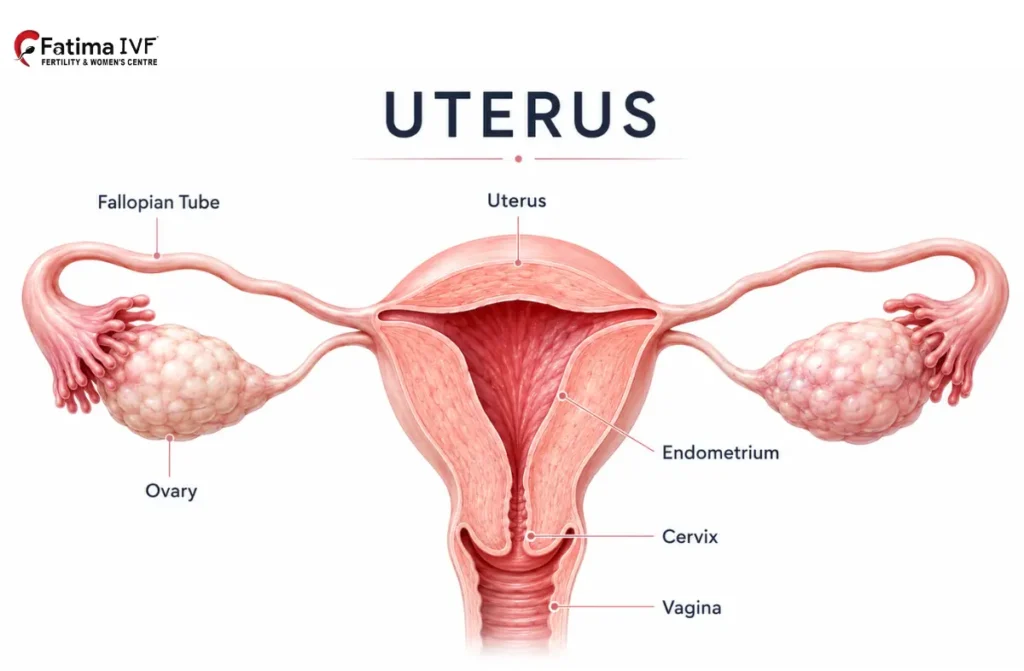
The uterus needs to be in the right condition to accept an embryo, and endometrial thickness is one of the key markers doctors track through ultrasound. A lining that is too thin or has structural issues like polyps or fibroids can reduce the chances of implantation. Conditions such as endometriosis or a history of uterine infections are usually investigated and treated before transfer is planned. Correcting these issues in advance often improves the outcome of the actual embryo transfer.
Lifestyle Factors (BMI, Smoking, Stress)
Daily habits have a real, measurable effect on IVF outcomes, and doctors usually review these during the very first consultation:
- Maintaining a healthy BMI supports better hormone response during stimulation
- Quitting smoking improves both egg and sperm quality within a few months
- Reducing alcohol and caffeine intake supports more stable hormone levels
- Managing stress through sleep and gentle activity can improve treatment tolerance
None of these changes need to happen overnight, but even a few months of steady improvement before starting treatment can make a meaningful difference.
Previous IVF Attempts and Medical History
A history of previous IVF cycles, whether successful or not, gives doctors valuable information about how a patient’s body responds to stimulation medication. Details from earlier attempts, such as how many eggs were retrieved or how embryos developed, help refine the protocol for the next cycle. Underlying conditions like PCOS, thyroid imbalance, or diabetes are also reviewed carefully, since they can influence both egg quality and implantation. Sharing complete medical records from earlier treatment, even from other clinics, helps the new team avoid repeating the same approach if it didn’t work before.
IVF Success Rate by Age Group
Age-wise data gives the clearest and most practical picture of what to expect, which is why the IVF Success Rate in Chennai is almost always discussed alongside a patient’s specific age bracket during consultation. Each age group carries a different set of considerations, from egg quantity to the likelihood of needing donor eggs. The sections below break down what patients in each bracket typically experience.
Women Below 35 Years
This age group generally has the highest ovarian reserve and the best egg quality, which translates into the strongest response to stimulation medication. Multiple good-quality embryos are often available, giving doctors the option to transfer the best one and freeze the rest. Because the body responds predictably, protocols in this group tend to be more standardized. Even so, other factors like uterine health or sperm quality can still affect the final outcome.
Women Between 35–37 Years
Egg quantity begins a gradual decline in this range, though many women still respond well to standard protocols. Doctors often recommend slightly more frequent monitoring during stimulation to fine-tune medication dosage. Embryo quality can vary more than in younger patients, so extended culture to the blastocyst stage is commonly used to identify the strongest candidates for transfer. Couples in this group are usually advised not to delay treatment unnecessarily, since the decline continues steadily each year.
Women Between 38–40 Years
This age bracket sees a more noticeable drop in both egg quantity and quality, and chromosomal abnormalities in eggs become more common. Doctors often discuss additional options at this stage, including genetic testing of embryos before transfer. Stimulation protocols are usually adjusted to be gentler but more closely monitored, since ovarian response can be less predictable. Patience becomes important here, as more than one cycle is sometimes needed to reach a good outcome.
Women Above 40 Years
Natural egg quality and quantity decline significantly after 40, which is reflected honestly in the lower success rates for this age group using a woman’s own eggs. Doctors focus on making the most of each cycle through careful monitoring and, where appropriate, discussing donor egg options early rather than after repeated attempts. Every case is still assessed individually, since ovarian reserve varies from person to person even within the same age bracket. Realistic, judgment-free conversations at this stage help couples make informed decisions without unnecessary delay.
IVF with Donor Eggs and Success Rates
Donor egg cycles use eggs from a younger, screened donor, which is why success rates in this category are often higher than a woman’s own-egg cycle at an advanced age. The recipient’s uterus still needs to be properly prepared with hormone support before the embryo transfer takes place. Donor programs at Fatima IVF follow strict medical and ethical screening for all donors involved. For many couples facing very low ovarian reserve, this option offers a realistic and effective path to pregnancy.
How to Improve IVF Success Rate
While some factors like age cannot be changed, there is still a lot within a couple’s control when it comes to improving their overall outcome. Small, consistent steps taken before and during treatment often add up to a meaningful difference. The following areas are where Dr. Fathimunissa’s team typically focuses attention with patients.
Choosing the Right Fertility Specialist
A specialist who takes time to review full medical history and explain each step clearly makes the treatment process far less stressful. Experience with complex cases, not just straightforward ones, is a good sign of a well-rounded fertility practice. Patients should feel comfortable asking questions at every stage without feeling rushed. This relationship of trust often continues throughout multiple cycles if the first attempt doesn’t succeed.
Following Personalized Treatment Plans
No two patients respond to stimulation medication in exactly the same way, so a plan built around individual hormone levels and scan results tends to work better than a generic protocol. Regular monitoring through blood tests and ultrasounds allows the doctor to adjust dosage in real time. Sticking closely to medication timing, especially the trigger injection before egg retrieval, is one of the simplest ways patients can support their own treatment. Open communication with the clinic about any side effects also helps the team respond quickly if adjustments are needed.
Maintaining a Healthy Lifestyle
Balanced nutrition, moderate exercise, and adequate sleep all support better hormone regulation during the weeks leading up to treatment. Reducing processed food and staying well hydrated are simple habits that many patients find easy to maintain. Couples are also encouraged to address stress through activities they genuinely enjoy, rather than adding pressure through overly strict routines. These changes work best when started a few months before the cycle begins, giving the body time to respond.
Importance of Advanced Embryology Labs
The embryology lab is where fertilization and early embryo development actually take place, so its quality directly affects outcomes. Stable temperature, filtered air, and continuous incubator monitoring all reduce stress on developing embryos. Skilled embryologists who can accurately grade embryos help ensure the strongest one is chosen for transfer. This is often an underappreciated part of the IVF process, even though it plays a central role in success.
Role of Genetic Testing (PGT)
Preimplantation Genetic Testing, or PGT, screens embryos for chromosomal abnormalities before they are transferred. This is particularly useful for women above 35 or those with a history of repeated miscarriage, since it helps identify embryos with the best chance of a healthy pregnancy. While it adds a step to the process, it can reduce the number of failed transfers over time for the right candidates. Doctors discuss whether PGT is a good fit based on age, history, and the number of embryos available.
Why Choose Fatima IVF Fertility Centre in Chennai?
Every consultation at Fatima IVF begins with an honest conversation about what a couple can realistically expect, which is one reason patients return to discuss the IVF Success Rate in Chennai openly before committing to treatment. Dr. Fathimunissa’s approach centers on individualized care rather than a fixed treatment template. The sections below cover what sets the centre apart for couples researching their options.
Experienced Fertility Specialists
Dr. Fathimunissa has spent years focused specifically on infertility and reproductive medicine, working with cases ranging from straightforward to highly complex. This depth of experience means treatment plans are shaped by real clinical judgment rather than a standard checklist. Patients often mention feeling genuinely heard during their first consultation, which sets the tone for the rest of their treatment. The team stays involved at every stage, from initial testing through to pregnancy confirmation.
Advanced IVF Laboratory Technology
The embryology lab at Fatima IVF is equipped with modern incubators and monitoring systems designed to give embryos the most stable environment possible. Air quality and temperature are tracked continuously to reduce any external stress on developing embryos. This level of lab control plays a direct role in improving fertilization and blastocyst development rates. Investment in this kind of infrastructure reflects a long-term commitment to consistent, reliable outcomes.
Personalized Fertility Care
Every treatment plan starts with a detailed review of medical history, previous cycles, and current hormone levels before any medication is prescribed. This means two patients with similar diagnoses may still follow noticeably different protocols based on how their bodies respond. Regular check-ins throughout the cycle allow the team to make adjustments quickly rather than waiting until the next appointment. This attentive, one-on-one approach is central to how care is delivered at the centre.
Ethical and Transparent Treatment
Costs, timelines, and realistic success expectations are discussed clearly before treatment begins, with no pressure to commit to additional cycles or add-ons that aren’t medically necessary. Patients receive detailed reports of their test results and are encouraged to ask questions at every step. This transparency extends to donor programs as well, which follow strict ethical and medical screening guidelines. Building trust through honesty is treated as just as important as clinical results.
Comprehensive Fertility Services Under One Roof
From initial fertility evaluation to embryo transfer and early pregnancy monitoring, patients can access every stage of treatment without needing to visit multiple facilities. This continuity reduces both stress and logistical difficulty, especially for couples balancing treatment with work and family responsibilities. Diagnostic testing, counselling, and lab services are all coordinated internally, which also helps avoid delays between appointments. For many patients, this single-location convenience is a meaningful part of what makes treatment more manageable.
Convenient Location and Accessibility
Fatima IVF Fertility Centre is easy to reach from most parts of the city, which matters for patients attending frequent monitoring visits during a stimulation cycle. Couples researching their options often compare clinics on the Best IVF Success Rate in chennai alongside how easy a centre is to visit regularly, since IVF involves several appointments in a short span of time. Independent reviews of the Success Rates of IVF Treatment in Chennai generally point to consistency in lab standards as the deciding factor between similar clinics. Patients considering their options can review published IVF survival statistics in Chennai alongside a clinic’s accessibility before making a final decision, since both practical and clinical factors matter for a smoother treatment experience.
IVF Treatment Process and Success at Every Stage
Understanding what happens at each stage of treatment helps reduce uncertainty and makes the overall process feel more manageable. IVF is not a single procedure but a sequence of carefully timed steps, each with its own checkpoints. Here is what patients can expect from evaluation through to the pregnancy test.
Fertility Evaluation
Treatment begins with a thorough evaluation covering hormone blood tests, ultrasound scans, and a semen analysis for the male partner. This step helps identify the underlying cause of infertility and shapes the entire treatment plan that follows. Both partners are usually involved in this stage, since fertility challenges can originate from either side. A clear diagnosis at this point often saves time later by avoiding a trial-and-error approach to treatment.
Ovarian Stimulation
Daily hormone injections are used over roughly ten to twelve days to encourage the ovaries to produce multiple mature eggs instead of the single egg released naturally each month. Regular ultrasound and blood test monitoring during this period allows the doctor to adjust medication dosage as follicles grow. The goal is to retrieve a good number of quality eggs while minimizing side effects like ovarian hyperstimulation. This stage requires close coordination between the patient and the clinical team.
Egg Retrieval
Once follicles reach the right size, a trigger injection is given, and eggs are retrieved through a minor procedure under sedation about thirty-six hours later. The procedure itself typically takes fifteen to twenty minutes and most patients go home the same day. Mild cramping afterward is common and usually settles within a day or two. The retrieved eggs are immediately handed to the embryology team for assessment and fertilization.
Fertilization and Embryo Culture
Eggs are fertilized with sperm either through conventional insemination or ICSI, where a single sperm is injected directly into the egg, depending on sperm quality. The resulting embryos are then cultured in the lab for three to five days under closely controlled conditions. Embryologists monitor cell division daily and grade embryos based on their development pattern. This period determines which embryos are strong enough candidates for transfer or freezing.
Embryo Transfer
The best-graded embryo is transferred into the uterus using a thin, soft catheter, a quick procedure that usually does not require anesthesia. Patients can typically resume normal light activity the same day, though rest is encouraged for the first twenty-four hours. Remaining good-quality embryos, if any, are frozen for potential future use. Hormone support medication is usually continued after transfer to help the uterine lining stay receptive.
Pregnancy Test and Follow-Up
A blood test to check for pregnancy is scheduled around ten to fourteen days after embryo transfer, since this gives a more reliable result than an early home test. If the result is positive, follow-up scans are scheduled over the following weeks to confirm a healthy, progressing pregnancy. If the result is not what was hoped for, the team reviews the cycle in detail to understand what can be adjusted for the next attempt. Either way, patients continue to receive guidance and support through this follow-up period.
Common Reasons for IVF Failure
Not every cycle results in a pregnancy, and understanding the common reasons behind this can help couples approach the next step with clearer expectations rather than uncertainty. Most causes fall into a small number of well-understood categories. Reviewing these openly with your doctor after an unsuccessful cycle is one of the most useful steps toward improving the next attempt.
Poor Embryo Development
Sometimes fertilized eggs do not divide properly or stop developing before reaching the blastocyst stage. This can be related to egg or sperm quality, or occasionally to conditions in the lab environment itself. When this happens repeatedly, doctors may recommend additional testing or a change in stimulation protocol for the next cycle. It is rarely something a patient could have prevented through lifestyle changes alone.
Implantation Failure
Even a good-quality embryo does not always implant successfully in the uterine lining. This can be linked to endometrial thickness, uterine abnormalities, or immune factors that affect how the lining accepts the embryo. Doctors sometimes recommend additional tests, such as an endometrial receptivity assessment, after repeated implantation failure. Adjusting the timing of transfer based on these results can improve outcomes in the next cycle.
Chromosomal Abnormalities
Many embryos, especially from older patients, carry chromosomal abnormalities that prevent successful implantation or lead to early pregnancy loss. This is a natural biological occurrence and becomes more common with advancing maternal age. Genetic testing before transfer can help identify embryos without these abnormalities, reducing the chance of this particular cause of failure. This is one of the key reasons PGT is often discussed for patients above 35.
Hormonal or Uterine Issues
Conditions such as thyroid imbalance, elevated prolactin, or uterine abnormalities like fibroids and polyps can all interfere with a successful outcome. Many of these issues are identified during the initial evaluation and treated before the IVF cycle even begins. In some cases, they only become apparent after a failed cycle prompts further investigation. Addressing these underlying conditions often improves the chances of success in a subsequent attempt.
Tips for Choosing the Best IVF Centre in Chennai
With so many clinics offering fertility treatment, it helps to know what genuinely matters when comparing options rather than relying on advertising alone. Couples doing this research often find that a clear look at the IVF Success Rate in Chennai across a few shortlisted clinics narrows the decision faster than reading general reviews alone. These tips are useful whether this is your first cycle or you are considering a second opinion after a previous attempt.
Check Verified Success Rates
Ask clinics directly for their success rates broken down by age group and by fresh versus frozen embryo transfer, rather than accepting a single average figure. A transparent clinic will usually be upfront about these numbers:
- Success rate by age bracket, not just an overall average
- Live birth rate, not only pregnancy confirmation rate
- Number of cycles the figures are based on
Clinics that hesitate to share this level of detail are worth questioning further before committing to treatment.
Evaluate Laboratory Standards
The embryology lab is arguably the most important part of any IVF centre, even though patients rarely see it directly. Ask about incubator technology, air filtration systems, and how embryos are monitored during culture. A well-run lab typically has dedicated embryologists rather than shared or rotating staff. This single factor often explains differences in outcome between clinics with similar doctor experience.
Review Doctor Experience
Look for a specialist who has handled a wide range of cases, including repeat IVF failures and complex diagnoses, not just first-time straightforward patients. Years of focused experience in reproductive medicine, rather than general gynecology alone, tends to translate into more nuanced treatment planning. A good specialist should be willing to explain the reasoning behind each recommendation clearly. This kind of open dialogue is a strong indicator of quality care.
Understand Treatment Costs and Transparency
Request a clear cost breakdown before starting treatment, covering medication, monitoring, retrieval, and transfer separately rather than as a single bundled figure. Ask specifically what happens if additional medication or a second attempt is needed, so there are no surprises mid-cycle. Clinics that explain costs plainly, without pressuring patients toward unnecessary add-ons, are generally more trustworthy. This clarity also makes it easier to plan finances around the treatment timeline.
Read Patient Reviews and Testimonials
Genuine patient feedback often reveals details that statistics alone cannot, such as how well the clinic communicates during difficult moments. Look for reviews that mention specific experiences rather than only general praise. Consistency across many reviews, both positive and constructive, is usually more telling than a handful of five-star ratings. Speaking with previous patients directly, where possible, can also provide helpful perspective before making a decision.
Conclusion
Understanding what shapes IVF outcomes, from age and egg quality to lab standards and clinic experience, helps couples move forward with realistic expectations rather than guesswork. No two fertility journeys look the same, and the right treatment plan is one that’s built around your specific history rather than a generic template. Dr. Fathimunissa and the team at Fatima IVF Fertility Centre are happy to walk you through your own numbers, answer questions honestly, and help you decide on the next right step, whenever you’re ready to take it.