
Safety Rate
Modern medicine is moving towards minimally invasive solutions — and laparoscopy stands at the forefront of this revolution. The Laparoscopy Surgery in Chennai offers advanced diagnostic and surgical care for a wide range of conditions affecting the abdomen, pelvis, and reproductive organs. With expert surgeons, cutting-edge technology, and faster recovery times, Chennai has become one of India’s top destinations for world-class laparoscopic procedures.
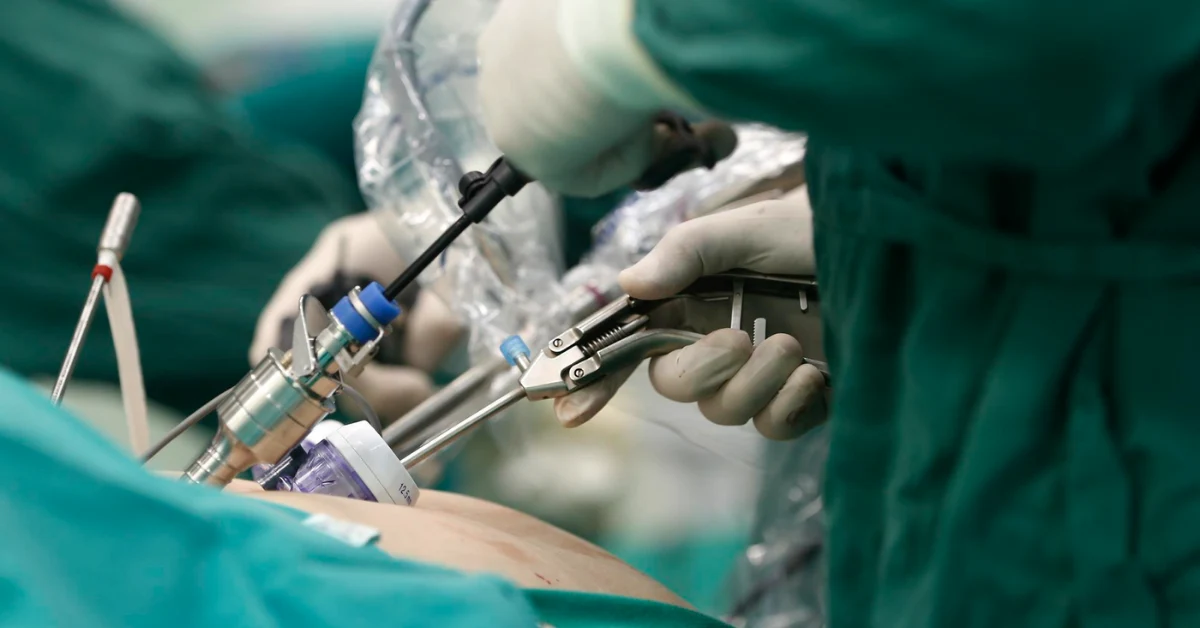
Laparoscopy is a modern surgical technique often called keyhole surgery. Unlike traditional open surgery that requires a large cut, laparoscopy uses only two to four small cuts, each about half a centimeter long. Through one small cut, Dr. Fathimunissa inserts a thin tube with a tiny camera attached. This camera sends live images to a high-resolution screen, giving a clear and magnified view of your internal organs. Through the other small cuts, she inserts special instruments to perform the surgery. Because the cuts are so small, there is very little bleeding and almost no damage to healthy tissue. At Fatima Fertility, Dr. Fathimunissa uses laparoscopy specifically to help women who are trying to become pregnant. She has performed hundreds of successful procedures, helping many couples achieve their dream of parenthood.
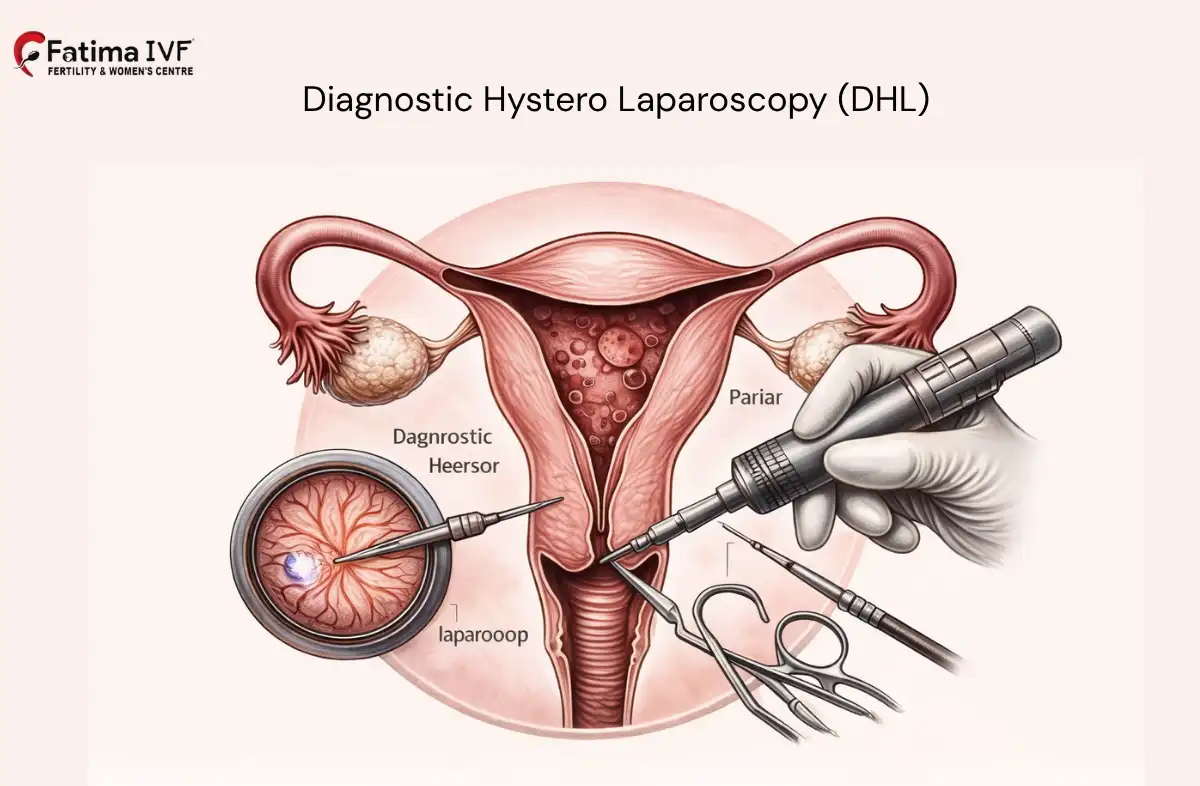
One of the greatest strengths of laparoscopy is that it combines diagnosis and treatment in a single session. In the past, a woman might need one surgery to look inside and another surgery to fix a problem. With laparoscopy, Dr. Fathimunissa can first examine your pelvic organs thoroughly. If she finds any issue, she can immediately treat it using the same small cuts. This means less time in the hospital, less stress on your body, and a faster return to your daily life. Many fertility problems that remain hidden on ultrasound scans or X-rays become clearly visible during laparoscopy. Conditions like mild endometriosis, small adhesions, or tiny polyps are often missed by other tests. Laparoscopy leaves no room for guesswork.
Diagnostic laparoscopy is the process of looking inside your abdomen and pelvis to find the cause of infertility. Dr. Fathimunissa makes a small cut near your navel and inserts the camera. She then carefully examines your ovaries to see if eggs are developing normally. She looks at your fallopian tubes to check if they are open and healthy. She inspects the outside of your uterus for fibroids or scar tissue. She also looks for signs of endometriosis, which can appear as small spots or patches on different organs. Sometimes she injects a harmless blue dye through the cervix to see if it flows freely through the tubes. This test, called chromotubation, gives a clear yes-or-no answer about tube blockages. Diagnostic laparoscopy gives Dr. Fathimunissa the complete picture she needs to plan your treatment.
Therapeutic laparoscopy means treating the problems found during the diagnostic phase, all in the same procedure. If Dr. Fathimunissa finds scar tissue sticking your ovaries or tubes to other organs, she carefully cuts it away using fine scissors. If she finds endometriosis patches, she removes them with a gentle energy device that stops bleeding immediately. If she finds a cyst on your ovary, she opens the cyst, drains the fluid, and removes the cyst wall, all while saving the healthy ovarian tissue. If she finds a fibroid on the outside of your uterus, she shaves it off smoothly. If a fallopian tube is blocked at the far end, she can open a new opening – a procedure called fimbrioplasty. All these treatments happen through the same keyhole cuts. Most women wake up from surgery with the problem already solved.
Not every woman dealing with infertility needs laparoscopy. But for a specific group of women, it is not just helpful. It can be the turning point. Here is how to know if you might be one of them.
Your fallopian tubes are the pathway your egg takes after ovulation. If even one tube is blocked, the chances of natural conception drop significantly. If both are blocked, natural conception becomes nearly impossible.
An HSG test can suggest a blockage, but it cannot confirm it with certainty, nor can it fix it. Laparoscopy can do both. Dr. Fathimunissa can confirm whether the blockage is real, where exactly it is, and in many cases, open or repair the tube in the same procedure. Women who were told natural conception was impossible have conceived on their own within months of this surgery.
Endometriosis is one of the most underdiagnosed conditions in fertility medicine. It affects roughly one in ten women but because its symptoms can be mild or absent, it often goes undetected for years. On a scan, it may not show up at all.
Laparoscopy is the only way to definitively diagnose endometriosis. And during the same procedure, the endometriosis tissue can be removed, the inflammation it causes reduced, and the environment inside your pelvis restored. Many women who spent years wondering why they were not getting pregnant discovered the answer in a laparoscopy and conceived within a few months of the procedure.
This one is particularly hard. You have been through IVF. Maybe more than once. The embryos were good. The protocol was followed. And it still did not work, and nobody can tell you why.
One of the most common hidden reasons for repeated implantation failure is a pelvic issue that standard fertility tests simply cannot detect. Adhesions, a small fibroid distorting the uterine cavity, a hydrosalpinx leaking toxic fluid back into the womb. Laparoscopy finds and fixes these. Many women who had three or four failed IVF cycles have gone on to conceive, naturally or through IVF, after a laparoscopy revealed what was actually standing in the way.
If you have PCOS and have tried ovulation induction medicines without success, laparoscopic ovarian drilling may be the next step. Small punctures are made in the ovary's surface to reduce the overproduction of male hormones that prevent ovulation. It sounds more intimidating than it is. The recovery is quick and for many women, regular ovulation resumes within a few months of the procedure.
Losing a pregnancy once is heartbreaking. Losing it more than once, with no clear explanation, is something that quietly changes a person. If you have had two or more miscarriages, a laparoscopy combined with a hysteroscopy can check for structural problems inside the uterus, a septum, fibroids inside the cavity, or scar tissue, that may be causing pregnancies to fail.
This is the diagnosis that leaves people the most frustrated because it does not feel like a diagnosis at all. Everything looks normal. And yet pregnancy is not happening.
Unexplained infertility is often not truly unexplained. It is more accurately described as undetected. Laparoscopy frequently reveals what standard tests missed. In our experience, a significant number of women labelled as unexplained infertility have had a treatable cause found during laparoscopy.
At Fatima Fertility, Dr. Fathimunissa performs a wide range of laparoscopic surgeries. Each surgery is chosen based on your specific fertility challenge. The goal is always the same: to create a healthy, welcoming environment for pregnancy. All procedures are done under general anesthesia, so you sleep comfortably throughout. The duration varies from 30 minutes for simple diagnostic cases to two hours for more complex surgeries. Dr. Fathimunissa explains every step to you beforehand so you feel fully prepared and confident.
Gynecological laparoscopy focuses entirely on the female reproductive organs. Here are some common procedures Dr. Fathimunissa performs:
Each of these procedures is done with micro-instruments that are gentle on your tissues. Dr. Fathimunissa has special training in fertility-sparing techniques, meaning she never removes an ovary or a tube unless absolutely necessary for your health.
Sometimes fertility problems are linked to issues outside the reproductive organs. For example, a past appendix surgery may have left scar tissue that now pulls on a fallopian tube. A small hernia in the lower belly can cause chronic inflammation that affects the nearby uterus. Occasionally, an inflamed appendix or gallbladder can release chemicals that irritate the pelvic organs. Dr. Fathimunissa works with a team to address these non-gynecological issues when they affect your fertility. However, she always prioritizes your reproductive health. If a problem does not impact your ability to conceive, she may refer you to another specialist. Her focus remains on getting you pregnant safely and naturally.
Robotic-assisted laparoscopy is an advanced form of keyhole surgery available at Fatima Fertility. Dr. Fathimunissa sits at a console a few feet away from you. She controls robotic arms that hold the camera and instruments. These robotic arms translate her hand movements into even finer, steadier movements inside your body. The camera provides a three-dimensional, highly magnified view. This is especially valuable for delicate procedures like reconnecting a fallopian tube after a blockage (tubal reanastomosis) or removing a deep fibroid without damaging the uterine lining. Robotic assistance reduces hand tremors and allows for more precise stitching. Many women who need complex fertility surgery benefit greatly from this technology.
The word "preservation" means keeping something safe and protected. Laparoscopy preserves your fertility by removing obstacles that stop pregnancy from happening. It also prevents further damage by treating conditions early, before they worsen. Dr. Fathimunissa thinks of laparoscopy as a form of fertility insurance. By investing in one procedure, you protect your ability to have children for years to come. Many women who had lost hope after years of trying finally conceive within months of their laparoscopy.
Some of the most common causes of infertility have no obvious symptoms. You may have regular periods, feel no pain, and still struggle to conceive. Laparoscopy uncovers these silent issues:
Dr. Fathimunissa finds these issues with her meticulous surgical technique. She takes photographs and videos during the procedure to show you exactly what she found.
Once Dr. Fathimunissa finds a problem, she restores normal function as much as possible. Opening a blocked tube often allows natural conception within three to six months. Removing endometriosis reduces pelvic inflammation and improves egg quality. Cutting away scar tissue frees the ovaries so they can release eggs normally. Removing fibroids and polyps gives the embryo a smooth, healthy place to implant. In many cases, women who needed IVF before laparoscopy are able to conceive naturally afterward. Even if natural conception does not happen, the improved pelvic environment makes IVF much more likely to succeed.
If you are planning or already undergoing IVF, laparoscopy can significantly improve your chances. Here is why:
She works closely with your IVF doctor (or provides integrated care at Fatima Fertility) to time the surgery appropriately. Usually, she performs laparoscopy one to three months before starting an IVF cycle.
Choosing laparoscopy at Fatima Fertility offers many clear benefits over open surgery:
Dr. Fathimunissa believes that your role as a patient is just as important as her role as a surgeon. Following these simple care instructions will help you heal smoothly and quickly.
Success after laparoscopy is not a single number. It depends on what was found, what was treated, and what your overall fertility picture looks like. But here is what the evidence consistently shows.
Age is the most significant factor. Women under 35 with a single correctable cause such as a blocked tube or mild endometriosis tend to have the best outcomes. Ovarian reserve, the duration of infertility, and whether male factor issues are also present all play a role in what happens after surgery.
For women with endometriosis, removing the tissue and restoring a normal pelvic environment can improve natural conception rates substantially. For those with tubal blockage where the tube is repairable, re-opening the tube allows the natural process of fertilisation to happen again. Many women who came to us believing they would need IVF have gone home after laparoscopy and conceived on their own.
If you are planning IVF, laparoscopy before the cycle can meaningfully improve your chances. Treating a hydrosalpinx before IVF has been shown to significantly increase implantation rates. Removing endometriosis reduces pelvic inflammation that can otherwise lower IVF success considerably. Identifying and correcting any distortion inside the uterine cavity gives your embryo the best possible environment to implant.
Dr. Fathimunissa routinely reviews your full fertility picture before recommending laparoscopy as a pre-IVF step, so that the timing and the procedure are right for your specific situation.
Many women come to us anxious about surgery. Understanding the difference between laparoscopy and open surgery usually changes that.
There are many places offering laparoscopy treatment in Chennai. What makes the difference is not the equipment alone. It is the surgeon's experience, the honesty of the conversation before surgery, and the follow up care that happens after.
Dr. Fathimunissa has performed laparoscopic procedures for over two decades. She has seen cases where the answer was obvious on the camera and cases where it took careful, methodical examination to find something that every previous test had missed. She takes photographs during the procedure so you can see exactly what was found. She explains the findings in plain language so you understand what it means for your fertility going forward.
The team around her, embryologists, coordinators, counsellors, understands that you are not just a patient with a condition. You are a person who has been through a great deal already and deserves care that reflects that.
If you have been looking for a laparoscopy centre in Chennai that combines surgical expertise with genuine patient care, we would like to be that place for you.
When you are ready, book a consultation and let Dr. Fathimunissa help you understand what the next step looks like for your specific situation, not a general template.
Laparoscopy is a safe, effective, and gentle way to find and fix many fertility problems. Dr. Fathimunissa at Fatima Fertility in Chennai has helped countless women overcome hidden issues like blocked tubes, endometriosis, fibroids, and scar tissue. With modern techniques including robotic-assisted laparoscopy, the procedure is precise, recovery is quick, and the chances of pregnancy improve significantly. You do not have to keep wondering why pregnancy is not happening. A single laparoscopic procedure can give you answers and solutions at the same time. If you have been trying to conceive for over a year without success, or if you have had failed IVF cycles, consider speaking with Dr. Fathimunissa. She will listen to your story, explain your options in simple words, and create a personalized plan just for you. Take the first step today. Contact Fatima Fertility in Chennai and let laparoscopy open the door to your pregnancy journey.
Meet our experienced team of anaesthesiologists dedicated to your safety and comfort
Laparoscopy is performed under anesthesia, so you won’t feel pain during the procedure. The Laparoscopy Surgery in Chennai uses advanced techniques to ensure quick recovery and minimal post-surgical discomfort.
Most patients resume normal activities within 3–7 days. Clinics offering Laparoscopy Surgery in Chennai provide personalized recovery plans that include diet guidance and physiotherapy for faster healing.
Yes. Laparoscopy can diagnose and treat fertility-blocking conditions like endometriosis and tubal obstructions. Specialists performing Laparoscopy Surgery in Chennai often use it to restore natural fertility or enhance IVF success rates.
For most women, Dr. Fathimunissa recommends waiting for one normal menstrual cycle before trying to conceive naturally. If IVF is planned, the cycle typically starts one to three months after laparoscopy, depending on the extent of the surgery and how quickly healing progresses.
Yes. Laparoscopy can confirm whether a blockage is real, as HSG tests can sometimes give a false positive, and in selected cases the blockage can be corrected during the same procedure. Where the tube cannot be repaired, laparoscopy provides the clarity needed to move forward with IVF.
Yes, especially when the reason for failure is unclear. Hidden conditions like adhesions, a small fibroid, uterine polyps, or hydrosalpinx are frequently discovered in women who have had repeated IVF failures with no obvious explanation. Finding and treating these can make the difference in the next cycle.
Typically one to three months, depending on the type and extent of surgery. For minor diagnostic procedures, the gap may be shorter. For more complex surgeries involving endometriosis or fibroid removal, the body needs adequate time to heal before starting IVF medications.
Mild bloating, shoulder tip pain from the gas used during surgery, and light vaginal spotting are common for a day or two after the procedure. These resolve on their own. Serious complications such as infection or internal bleeding are rare, particularly when the surgery is performed by an experienced laparoscopic surgeon.
Yes. Laparoscopy is the only definitive method of diagnosing endometriosis. Ultrasound and MRI can suggest it but cannot confirm it. During the same procedure, any endometriosis tissue found can be removed immediately.
The procedure is performed under general anaesthesia so you feel nothing during surgery. Afterwards, most women describe the discomfort as mild rather than painful, more like soreness after a long walk than surgical pain. Simple pain relief manages it well for most people.
Take the first step toward parenthood. Book an appointment with our expert team to receive expert guidance, emotional support, and advanced fertility solutions designed just for you.