Dr. Fathimunissa at Fatima Fertility & Women’s Centre is widely recognised as one of the best gynaecologist in Chennai, offering expert care for PCOS, Fibroid Uterus, Menstrual disorders, pregnancy care, infertility,and general women’s health. With 20+ years of hands – on – experience.
She combines clear, simple explanations with a calm, patient-first approach — helping women feel comfortable discussing sensitive health concerns and make informed decisions about their care.
Meet Dr. Fathimunissa – Best Gynecologist in Chennai
Dr. Fathimunissa – Qualifications & Expertise
- Qualification: MBBS —Kilpauk Medical College
- Postgraduation : Obstretics & Gynaecology —DGO — Sri Ramachandra Medical Colege( SRMC)
- Fellowship in Reproductive Medicine & Andrology —Chettinad Medical College
- Fellowship in Fetal medicine—Sri Ramachandra Medical college ( SRMC).
- Diplomate in Fertility Medicine -DRM (Germany)
- Fellowship in Minimal Access Surgery— FMAS
- Specialty: Reproductive Medicine, Fertility & IVF, Obstetrics, Gynecology, Laparoscopic Surgery
- Experience: 20+ years
- Location: Triplicane & Anna Nagar, Chennai
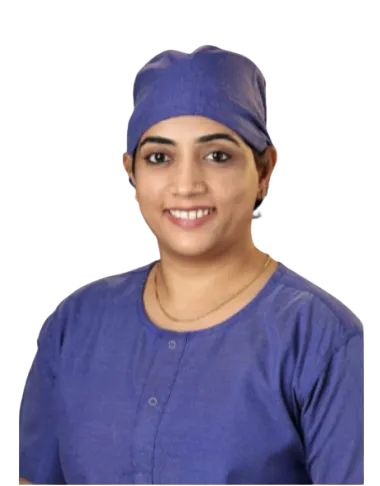
Dr. Fathimunissa M.A. is widely regarded as the best gynecologist in Chennai for women seeking both routine gynaecological care and advanced fertility treatment. With over 20+ years of dedicated practice in women’s reproductive health, she has guided thousands of couples through their fertility journey — from initial diagnosis to successful pregnancy.
She holds a postgraduate degree in Obstetrics & Gynaecology and has undergone advanced training in assisted reproductive technologies, including IVF, ICSI, and minimally invasive gynaecological procedures. Her clinical background spans high-risk pregnancies, complex infertility cases, and advanced fertility treatments that require both technical skill and thoughtful patient care — the kind of range that patients look for when searching for the best gynecologist in Chennai.
Dr. Fathimunissa also serves as a visiting consultant at MGM Hospitals ,Mehta Hospitals & Vijaya Hospitals, Chennai. As one of the most trusted names among fertility and gynaecological specialists in the city, she brings together medical precision and genuine compassion — two qualities that matter most when fertility and women’s health are involved.
Expertise in Women’s Health and Fertility Care
Dr. Fathimunissa has 20+ years of experience and expertise in the following fields
- Infertility treatment- Female infertility &Male infertility
- IVF in vitro fertilisation
- IUI Intra uterine insemination
- Ovulation Induction
- ICSI Intra cytoplasmic sperm injection
- Fertility Care
- Pregnancy care
- Antenatal ultrasound scan
- PCOS /PCOd treatment
- Endometriosis treatment
- Fibroid uterus treatment
- Menstrual Irregularities
- Laparoscopic Gynaecology procedures
- Hysteroscopy.
- Adolescent gynaecology
- Menopausal Care.
Areas of Specialisation
Patients looking for the best gynecologist in Chennai often need more than a single service, and Dr. Fathimunissa specialises in a wide range of fertility and gynaecological conditions:
- In Vitro Fertilisation (IVF) and Intracytoplasmic Sperm Injection (ICSI)
- Intrauterine Insemination (IUI) for mild infertility
- Recurrent pregnancy loss evaluation and management
- Polycystic Ovarian Syndrome (PCOS) and hormonal imbalances
- Endometriosis diagnosis and fertility-preserving treatment
- Fibroid Uterus management
- Menstrual irregularities
- Male infertility assessment and coordination of treatment
- High-risk pregnancy monitoring and management
- Fertility preservation — egg freezing and embryo freezing
- Advanced procedures including ERA, PGT-A, and Micro TESE
Her ability to manage both common and complex cases under one roof means patients do not have to move between multiple specialists or clinics, which is one reason she is consistently ranked among the best gynecologists in Chennai by patients and referring doctors alike.
Professional Memberships and Achievements
- OGSSI Obstetrics &Gynaexology Society of South India
- FOGSI Federation of Obstretics & Gynaecology Society of India
- ISAR
- TAPISAR :Executive Committee Member.
- PCOS Society .
- AMASI : Association of Minimal Access Surgeons of India
- TNMC. Tamilnadu Medical Council
- Invited Faculty for various National conferences on Infertility
Why Choosing the Right Gynecologist Matters
Every woman deserves a doctor who listens carefully and explains things in simple words. Finding the best gynecologist in Chennai means finding someone who treats each patient with patience, not just a list of symptoms. Dr. Fathimunissa has spent years helping women feel comfortable talking about sensitive health topics. A good gynecologist takes time to understand your history before suggesting any treatment.
Qualities of the Best Gynecologist in Chennai
Patients often look for warmth, clear communication, and real medical skill when picking a doctor. Dr. Fathimunissa combines years of hands-on experience with a calm, friendly manner that puts nervous patients at ease. She explains test results and treatment choices in plain language so patients can make informed decisions. Her approach focuses on listening first and treating second, which many patients say makes a real difference.
Conditions Treated by a Gynecologist
A gynecologist can help with many health concerns women face at different stages of life. Common conditions include:
- Irregular or painful periods
- PCOS and hormonal imbalances
- Uterine fibroids and ovarian cysts
- Pelvic pain and infections
- Fertility concerns and pregnancy care
Each condition needs its own care plan, and a proper diagnosis is always the first step toward feeling better.
Pregnancy and Maternity Care
Pregnancy brings many questions, and having a doctor who checks in regularly helps ease worry. As a dedicated gynecologist for pregnancy care, Dr. Fathimunissa guides patients through every trimester with routine scans, blood work, and simple explanations of what to expect next. She also helps new mothers plan for delivery and recovery in a way that feels manageable. Regular visits allow small issues to be caught early, before they grow.
High-Risk Pregnancy Management
Some pregnancies need closer attention because of age, existing health conditions, or earlier complications. In these cases, more frequent monitoring and extra scans help track the baby’s growth and the mother’s health. Patients across the city turn to Dr. Fathimunissa, known as the best gynecologist in Chennai for high-risk pregnancy care, to build a plan suited to their specific situation. Clear communication throughout keeps the process calm rather than stressful.
PCOS and Hormonal Disorder Treatment
PCOS affects periods, weight, skin, and fertility, and it looks different in every patient. Treatment usually starts with simple lifestyle changes and, when needed, medication to balance hormones. As a trusted gynecologist for PCOS treatment, Dr. Fathimunissa reviews blood tests and ultrasound findings together to build a plan that fits each woman’s goals, whether that is regular periods or future pregnancy. Follow-up visits help track progress and adjust the plan over time.
Menstrual Disorder Diagnosis and Care
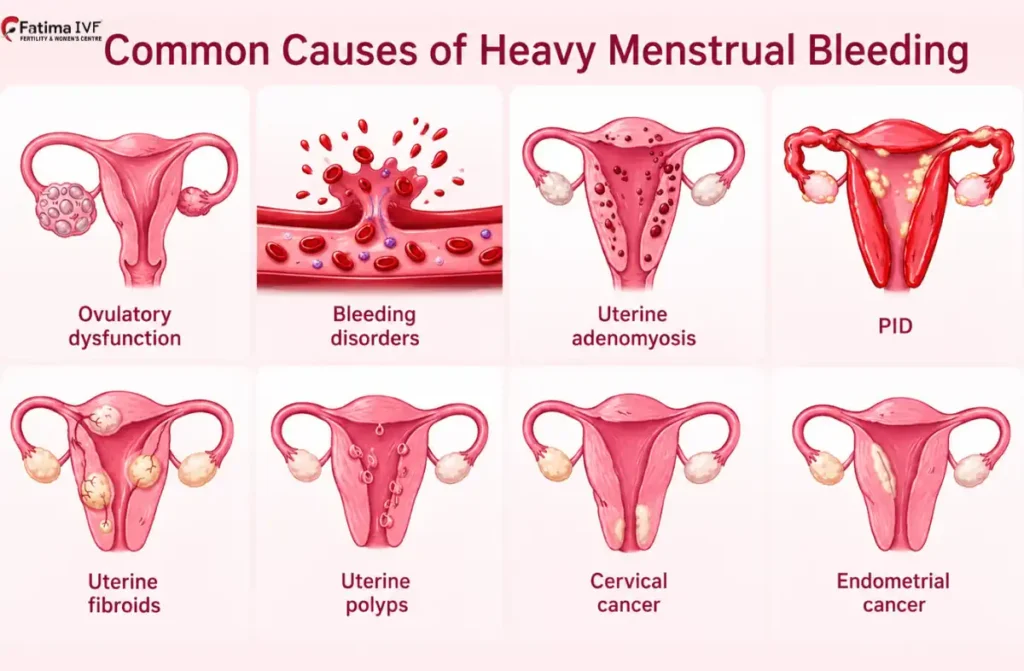
Heavy bleeding, missed periods, or severe cramps are common reasons women visit a gynecologist. A detailed history and a few basic tests usually point to the cause. From there, treatment can range from simple medication to minor procedures, depending on what is found. Most menstrual disorders respond well once the underlying cause is identified.
Infertility Evaluation and Fertility Treatments
Trying to conceive without success can feel confusing, and a step-by-step evaluation brings clarity. Testing usually looks at ovulation, hormone levels, and the health of the uterus and tubes for both partners. Depending on the results, treatment may include medication, timed intercourse, IUI, or IVF. As a dedicated gynecologist for infertility treatment, Dr. Fathimunissa walks patients through each option clearly before deciding on next steps.
Menopause Care and Hormonal Support
Menopause brings changes like hot flashes, mood shifts, and sleep trouble, and support can make this stage easier. Simple lifestyle adjustments, along with medication when appropriate, help manage symptoms. Regular check-ups during this time also help track bone health and heart health. Every woman experiences menopause differently, so care is adjusted to match.
Minimally Invasive Gynecological Surgeries
Many gynecological procedures today use small incisions, which usually means less pain and a faster return to normal life. Laparoscopy is commonly used for fibroids, cysts, and endometriosis, while hysteroscopy helps with issues inside the uterus. Dr. Fathimunissa discusses the reasons for surgery and what recovery looks like before any procedure is planned. Patients are guided through preparation and aftercare at every step.
Preventive Women’s Health Screenings
Regular screenings catch problems early, often before any symptoms appear. Routine visits typically include a pelvic exam, blood pressure check, and a review of any changes since the last visit. These simple checks form the foundation of long-term women’s health. Making screenings a yearly habit is one of the easiest ways to stay ahead of health concerns.
Cervical and Breast Cancer Screening
A Pap smear and breast exam are simple, quick tests that can detect changes early. Doctors generally recommend starting cervical screening in a woman’s twenties and continuing at regular intervals. Breast self-checks between visits also help women notice changes sooner. Early detection through these screenings leads to far more treatment options.
Adolescent Gynecology Services
Teenage girls often have questions about periods, growth, and body changes that need a comfortable space to be answered. Dr. Fathimunissa creates a relaxed environment where young patients and their parents can discuss concerns openly. Care at this age often focuses on education and reassurance rather than treatment. Building this trust early helps young women feel confident about their health going forward.
Family Planning and Contraceptive Counseling
Choosing a method of contraception depends on health history, lifestyle, and future family plans. Options range from daily pills to longer-acting methods, and each has its own benefits. Dr. Fathimunissa reviews these choices with patients so they can pick what suits them best. Follow-up visits allow adjustments if a method isn’t working well.
When Should You Visit a Gynecologist?
Many women wait too long to see a gynecologist, often out of habit rather than necessity. A visit is a good idea for annual check-ups, period changes, pain, or when planning a pregnancy. Even without symptoms, yearly visits help track overall reproductive health. Building a habit of regular visits makes it easier to notice changes early.
How to Choose the Best Gynecologist in Chennai
Picking a doctor is a personal decision, and comfort matters as much as qualifications. When looking for the best gynecologist in Chennai, consider their experience, how clearly they explain things, and how comfortable you feel asking questions. Reading about a doctor’s approach to care, not just their credentials, often gives a better sense of fit. A short first visit can also help you decide if the doctor is right for you.
Questions to Ask During Your First Consultation
Coming prepared with questions helps you get the most out of your first visit. Useful questions include asking about the doctor’s experience with your specific concern, what tests might be needed, and what the next steps could look like. It also helps to ask how follow-up care works. A good doctor will welcome these questions and answer them clearly.
Cost of Gynecologist Consultation in Chennai
Consultation fees can vary depending on the type of visit and any tests involved. Many patients searching for the best gynecologist in Chennai also want clarity on costs before booking an appointment. It helps to ask about consultation fees and any additional charges for scans or lab work upfront. Being upfront about costs from the start avoids confusion later.
Best Clinic for Gynecology in Chennai
Fatima Fertility Centre offers gynecology and fertility care in a setting designed to be easy to reach for patients across the city. Many patients travel From areas such as Mylapore and Mogappair ,Chennai to consult a gynecologist in Chennai who understands their specific needs. The centre focuses on combining modern facilities with a calm, welcoming atmosphere. Patients looking for a gynaecologist in Mylapore and Gynaecologist in Annanagar and nearby neighbourhoods often find the location convenient for regular visits.
Patient Reviews and Success Stories
Many patients say what stands out most is feeling heard during their visits, not rushed through them. Women who came in searching for the best gynecologist in Chennai often mention how much clearer they felt about their health after their first consultation. Stories shared by patients often highlight successful pregnancies, resolved period problems, and manageable PCOS symptoms. These experiences reflect the kind of steady, patient-first care the centre aims to provide.
Frequently Asked Questions
See the full FAQ section below for detailed answers to common patient questions.
Common Women’s Health Conditions Treated
PCOS (Polycystic Ovary Syndrome)
PCOS is a hormonal condition that can affect periods, skin, weight, and fertility. Common signs include:
- Irregular or missed periods
- Acne or extra facial hair
- Difficulty losing weight
- Trouble getting pregnant
Treatment usually combines lifestyle changes with medication, based on each patient’s goals.
Endometriosis
Endometriosis happens when tissue similar to the uterine lining grows outside the uterus, often causing pain. Typical symptoms include:
- Painful periods
- Pain during intercourse
- Pelvic pain between periods
- Difficulty conceiving
Diagnosis often involves an ultrasound, and treatment ranges from medication to minor surgery depending on severity.
Uterine Fibroids
Fibroids are non-cancerous growths in the uterus that can cause heavy periods or pressure in the pelvis. Not all fibroids need treatment; smaller ones are often simply monitored over time. When symptoms are troublesome, options range from medication to minimally invasive removal. An ultrasound is usually enough to confirm their size and location.
Ovarian Cysts
Ovarian cysts are fluid-filled sacs that form on the ovaries and are quite common. Most cysts are harmless and disappear on their own within a few months. Larger or persistent cysts may need further monitoring or, in some cases, minor surgery. Regular scans help track any changes over time.
Pelvic Pain
Pelvic pain can come from many causes, including infections, cysts, or endometriosis. A careful history and a few tests usually help narrow down the reason. Treatment then focuses on the specific cause rather than the pain alone. Persistent pelvic pain is always worth discussing with a doctor rather than waiting it out.
Vaginal Infections
Vaginal infections are common and usually treatable with the right medication. Symptoms can include discomfort, unusual discharge, or itching, and a simple exam often confirms the cause. Treatment is typically quick, and symptoms usually improve within days. Recurring infections may need a closer look to rule out other causes.
Urinary Incontinence
Urinary incontinence, or leaking urine, becomes more common after childbirth or with age. Pelvic floor exercises are often the first step and can meaningfully improve symptoms. For more persistent cases, further evaluation helps identify the best next steps. This is a common concern, and most women see improvement with the right guidance.
Diagnostic Services Available
Pelvic Ultrasound
A pelvic ultrasound gives a clear picture of the uterus and ovaries and helps diagnose fibroids, cysts, and other conditions. The scan is painless and usually takes only a few minutes. It is also a routine part of pregnancy check-ups. Results are typically reviewed with the patient the same day.
Pap Smear Test
A Pap smear checks cervical cells for early changes that could lead to cancer if left unchecked. It is a quick, routine test recommended at regular intervals for most women. Catching changes early makes treatment simpler and more effective. Most patients find the test takes just a few minutes.
HPV Screening
HPV screening looks for the virus most often linked to cervical changes. It is often done alongside a Pap smear for a fuller picture of cervical health. Knowing HPV status helps guide how often follow-up screening is needed. This test plays an important role in long-term preventive care.
Blood Hormone Tests
Hormone tests measure levels linked to periods, fertility, and conditions like PCOS or thyroid issues. Results help build a clearer picture of what might be causing symptoms. These tests are simple blood draws with results usually available within a few days. They often guide the next steps in treatment.
Colposcopy
A colposcopy is a closer look at the cervix, usually done after an unusual Pap smear result. It allows the doctor to examine the area in detail and take a small tissue sample if needed. The procedure is done in-clinic and takes only a short time. Most patients can resume normal activity the same day.
Hysteroscopy
Hysteroscopy allows the doctor to look directly inside the uterus using a thin camera. It helps diagnose and sometimes treat issues like polyps, fibroids, or unexplained bleeding. The procedure can often be done with minimal downtime. It is a useful tool for getting a clear, direct view of the uterus.
Treatment Options
Medication Management
Many gynecological conditions respond well to medication alone, especially when caught early. Treatment plans are adjusted based on how a patient responds over follow-up visits. This approach is often the first step before considering any procedure. Clear instructions and regular check-ins help medication work as intended.
Lifestyle and Nutritional Guidance
Simple changes in diet, activity, and sleep can meaningfully improve conditions like PCOS and irregular periods. Guidance is tailored to each patient rather than following a one-size-fits-all plan. Small, steady changes tend to work better than drastic ones. These adjustments often work alongside medication for better results.
Laparoscopic Surgery
Laparoscopic surgery uses small incisions to treat conditions like fibroids, cysts, and endometriosis. This approach generally means less pain and a quicker recovery compared to open surgery. Patients are guided through what to expect before, during, and after the procedure. Most people return to normal activities within a short time.
Hysteroscopic Procedures
Hysteroscopic procedures treat issues inside the uterus, such as polyps or scar tissue, without any external incision. Recovery is usually quick, with most patients resuming daily activities within a day or two. This method is often chosen for its precision and minimal downtime. It is commonly used alongside diagnostic hysteroscopy.
Fertility Treatments (IUI & IVF)
IUI and IVF are two common fertility treatment options, chosen based on individual test results and history. IUI is often tried first for milder fertility concerns, while IVF is suited to more complex cases. Each step of the process is explained clearly so patients know what to expect. Support continues throughout the treatment, not just at the start.
Conclusion
Choosing the right care partner for gynaecological and fertility health is one of the most important decisions a woman can make, and Dr. Fathimunissa stands out as the best gynecologist in Chennai for patients who want expertise paired with genuine compassion. With over 20 years of experience spanning routine gynaecology, high-risk pregnancy care, and advanced fertility treatments like IVF and ICSI, she brings a level of depth that few clinics in the city can match. Whether you’re dealing with PCOS, planning a pregnancy, or exploring fertility options for the first time, Dr. Fathimunissa and the team at Fatima Fertility Centre offer the kind of personalised, patient-first care that turns uncertainty into clarity. If you’re searching for the best gynecologist in Chennai, book a consultation today and take the first step toward the care and answers you deserve.