Female Infertility Conditions

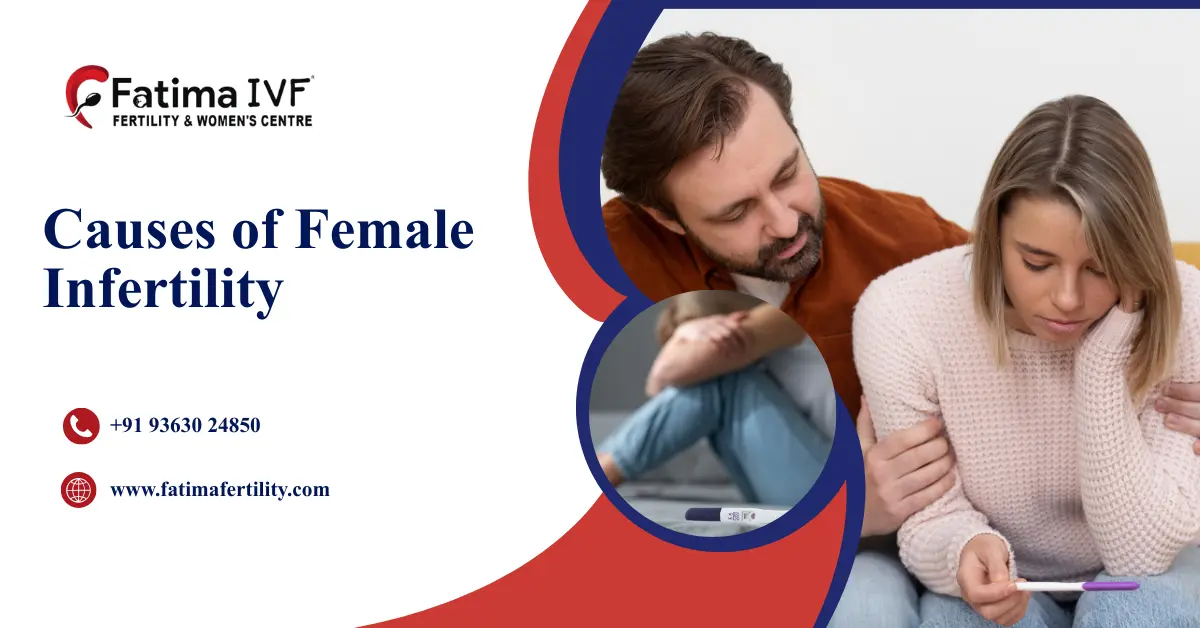
Female infertility conditions include ovulation issues, hormone imbalance, blocked tubes, endometriosis, and uterine abnormalities.
Female Fertiliy Condiations
0 +
Years of Experience
0 +
Expert Doctors
0 %

Safety Rate

0 /7
Emergency Care

Female Infertility Conditions Services

Comprehensive Female Infertility Conditions care with advanced monitoring and safety protocols

Female Infertility Conditions affects millions of women globally, but with early diagnosis and proper care, most cases are treatable. Female infertility can stem from uterine abnormalities, hormonal issues, fallopian tube damage, or lifestyle factors. Let’s break down the most common conditions that affect fertility in women.

Uterine Septum

A uterine septum is a congenital wall dividing the uterus partially or completely.

Impact:

  • Prevents normal implantation of the embryo.
  • Increases the risk of miscarriage or preterm labor.
  • Often goes undiagnosed until infertility evaluations begin.

Treatment:

  • Hysteroscopic surgery to remove the septum and restore normal uterine shape.

Uterine Scars

Uterine scars (Asherman’s Syndrome) form after surgery, infections, or repeated D&Cs.

Impact:

  • Blocks the uterine lining from developing normally.
  • Causes irregular or absent periods.
  • Makes embryo implantation difficult.

Treatment:

  • Hysteroscopic removal of adhesions and hormonal therapy for uterine healing.

Fibroid Uterus

Fibroids are non-cancerous growths in the uterus that can distort the uterine cavity.

Impact:

  • Blocks fallopian tubes or affects embryo implantation.
  • Causes heavy bleeding and pelvic pain.
  • Can interfere with pregnancy growth.

Treatment:

Uterine Polyps

Uterine polyps are small, soft tissue growths inside the uterus.

Impact:

  • Can prevent embryo attachment.
  • Causes spotting or heavy periods.

Treatment:

  • Simple hysteroscopic removal to restore fertility.

Menstrual Disorders

Irregular or absent menstruation often signals hormonal imbalances.

Causes include:

  • Thyroid dysfunction
  • Polycystic ovaries
  • Extreme weight changes or stress

Impact:

  • Reduces ovulation frequency.
  • Makes tracking fertile days difficult.

Treatment:

  • Hormonal regulation through medication and lifestyle changes.

Low Ovarian Reserve

A low ovarian reserve means fewer healthy eggs remain in the ovaries.

Common Causes:

  • Age above 35
  • Genetic conditions
  • Chemotherapy or radiation

Impact:

  • Reduced fertility potential.
  • Lower IVF success rates.

Treatment:

  • Ovarian stimulation with fertility drugs.
  • Egg freezing or donor egg programs for advanced cases.


Polycystic Ovarian Syndrome (PCOS)

PCOS is a hormonal imbalance causing irregular ovulation and multiple small ovarian cysts.

Symptoms:

  • Irregular periods
  • Weight gain
  • Excess hair growth (hirsutism)

Impact:

  • Reduced fertility potential.
  • Lower IVF success rates.

Treatment:

  • Lifestyle modification (diet & exercise)
  • Ovulation-inducing medication
  • Insulin resistance management

Polycystic Ovarian Disease (PCOD)

While PCOS and PCOD are similar, PCOD is a milder form with more lifestyle links.

Impact:

  • Delayed ovulation
  • Hormonal imbalance causing acne or hair fall

Treatment:

  • Balanced diet, stress control, and weight management.
  • Medications to regularize menstrual cycles.

Fallopian Tube Disorders

Fallopian tubes are vital for egg fertilization and transport.

Common Issues:

  • Blocked or damaged tubes from infections or prior surgeries.
  • Hydrosalpinx (fluid in tubes).

Impact:

  • Prevents sperm from meeting the egg.
  • Leads to ectopic pregnancy risks.

Treatment:

  • Laparoscopic tubal repair or IVF (in-vitro fertilization) if tubes are severely damaged.

Pelvic Adhesions

Pelvic adhesions are internal scar tissues binding reproductive organs together.

Causes:

  • Pelvic infections
  • Surgeries (C-section, endometriosis removal)

Impact:

  • Blocks egg movement or distorts organ shape.

Treatment:

  • Laparoscopic surgery to release adhesions and restore normal anatomy.

Pelvic Inflammatory Disease (PID)

PID results from untreated bacterial infections like chlamydia or gonorrhea.

Impact:

  • Damages fallopian tubes and uterus lining.
  • Increases infertility and ectopic pregnancy risk.

Treatment:

  • Antibiotics to control infection.
  • Laparoscopic intervention for chronic cases.


Endometriosis

Endometriosis happens when uterine tissue grows outside the uterus.

Symptoms:

  • Painful periods
  • Pain during intercourse
  • Chronic pelvic pain

Impact:

  • Causes inflammation and scarring around the ovaries and tubes.

Treatment:

  • Hormonal suppression or laparoscopic excision of endometrial tissue.
  • IVF for severe infertility cases.

Sexual Dysfunction

Emotional or physical factors affecting sexual activity can cause infertility.

Common causes:

  • Anxiety, depression, or relationship issues.
  • Hormonal imbalances causing low libido or painful intercourse.

Treatment:

  • Counseling and therapy.
  • Hormone replacement or relaxation techniques.

Recurrent Pregnancy Loss

Recurrent miscarriage is defined as three or more consecutive pregnancy losses.

Causes:

  • Genetic abnormalities
  • Hormonal disorders
  • Immune or clotting disorders

Impact:

  • Emotional trauma and difficulty conceiving again.

Treatment:

  • Genetic testing for both partners.
  • Hormonal or immunotherapy support during early pregnancy.

Holistic Fertility Management

Modern fertility care combines advanced diagnostics and personalized treatment.

Approaches include:

  • Hormone evaluation and ultrasound scanning.
  • Laparoscopic  and hysteroscopic corrections.
  • IVF, ICSI, or IUI techniques when natural conception isn’t possible.
  • Nutritional support, stress management, and counselling for mental wellness.

Why Early Diagnosis Matters

Early detection of reproductive issues increases treatment success.

Advantages:

  • Prevents long-term complications.
  • Improves egg health and uterine readiness.
  • Reduces emotional and financial stress.
  • Boosts IVF or natural conception rates.

Key Takeaways

  • Infertility doesn’t mean impossibility it means understanding your body’s signals.
  • Regular checkups, a balanced diet, and expert medical care can restore reproductive health.
  • Modern fertility treatments help thousands of women achieve pregnancy successfully.

Our Specialists

Meet our experienced team of anaesthesiologists dedicated to your safety and comfort

No data was found

Related Blogs

Best Gynecologist in Chennai

Dr. Fathimunissa M A offers expert gynecology and fertility care at Fatima IVF Centre, Chennai.

Best IUI Center in Tamilnadu

Best IUI Center in Tamil Nadu offers expert fertility care, advanced treatments, and personalized support

Fertility Centre in Chennai

Leading Fertility Centre in Chennai offering advanced IVF, ICSI, and IUI treatments with expert specialists.

Need Medical Assistance? Book an Appointment Now!

Take the first step toward parenthood. Book an appointment with our IVF team to receive expert guidance, emotional support, and advanced fertility solutions designed just for you.

Frequently Asked Questions

Common questions about Female Infertility Conditions and our services
faq-description
faq-description
faq-description