

Fertility isn’t just about “trying harder” it’s about building the right conditions inside your body to support conception. If you’re looking for 16 natural ways to boost fertility, the good news is that small, consistent lifestyle changes can make a meaningful difference over time. Whether you’re actively planning a pregnancy or simply thinking ahead for the future, your everyday habits play a bigger role than you might realize. What you eat, how well you sleep, how you manage stress, and even your physical activity levels all directly influence reproductive health in both men and women.
You don’t need extreme diets, complicated routines, or expensive treatments to improve your chances. In fact, the most effective strategies are often the simplest ones — practical adjustments you can realistically maintain long term. This guide outlines 16 natural ways to boost fertility, backed by science and explained in a clear, easy-to-follow format — so you can take confident steps toward supporting your reproductive health naturally.
Why Fertility Matters More Than You Think
Fertility is influenced by a combination of factors, including hormones, nutrition, stress levels, sleep quality, and environmental exposure. In today’s fast-paced world, many of these factors are negatively affected by modern lifestyles. Late-night scrolling, processed foods, high stress, and pollution all contribute to hormonal imbalances and reduced reproductive health.
Many people only start thinking about fertility when they face challenges, but optimizing it early can make a significant difference. Fertility is not just about having a baby—it’s also a reflection of your overall health. When your body is balanced, your reproductive system functions better.
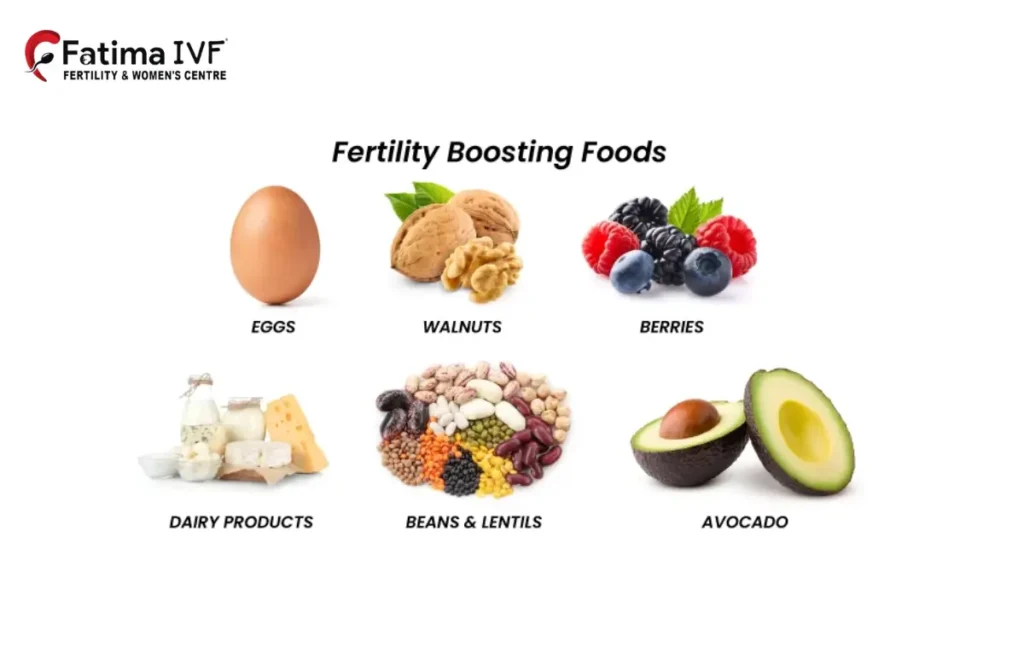
1. Eat a Fertility-Boosting Diet
Your diet plays a crucial role in hormone production and reproductive health. Think of food as fuel—not just for energy, but for your hormones.
A fertility-friendly diet includes leafy greens like spinach and kale, fruits such as berries and citrus, whole grains, healthy fats like avocado and nuts, and lean proteins. These foods provide essential vitamins, minerals, and antioxidants that support egg and sperm health.
On the other hand, processed foods, sugary drinks, and trans fats can disrupt hormonal balance and increase inflammation. A simple tip is to aim for a “rainbow plate”—the more colors on your plate, the more nutrients you’re getting.
2. Stay Hydrated
Water might seem basic, but it’s essential for fertility. Staying well-hydrated helps regulate hormone transport, supports healthy cervical mucus production in women, and assists the body’s natural detox processes.
Good hydration also keeps key systems like circulation and metabolism running smoothly, which indirectly supports reproductive health. A general guideline is to aim for around 2 to 3 liters of water a day, adjusting based on your activity level, diet, and climate.
3. Maintain a Healthy Weight
Your body weight plays a direct role in hormonal balance and fertility. Being underweight may lead to irregular cycles or missed ovulation, while being overweight can contribute to hormonal imbalances such as insulin resistance or elevated estrogen levels.
The focus isn’t about achieving a “perfect” body—it’s about reaching a stable, healthy range where your hormones function well. Even modest weight changes, when needed, can have a meaningful positive impact on fertility.
4. Exercise Regularly
Regular physical activity supports fertility in multiple ways. It improves blood circulation, helps manage stress, and supports balanced hormone levels. Exercise also boosts insulin sensitivity, which is important for both ovulation and overall reproductive health.
Activities like walking, yoga, swimming, and light strength training are great options because they support the body without overloading it. However, very intense or excessive workouts can sometimes disrupt hormonal balance and affect ovulation in women.
The key is not intensity—it’s consistency and balance in your routine.
5. Prioritize Sleep
Sleep is when your body repairs and regulates itself, including hormone production. Poor sleep can disrupt reproductive hormones such as estrogen, progesterone, and testosterone.
Aim for 7 to 9 hours of quality sleep every night. Avoid late-night screen time, as blue light can interfere with melatonin production, which also plays a role in fertility.
Skipping sleep for scrolling or binge-watching may feel harmless, but it can impact your reproductive health over time.
6. Manage Stress Like a Pro
Stress is one of the most underrated factors affecting fertility. High stress levels increase cortisol, which can interfere with ovulation in women and reduce sperm production in men.
Managing stress doesn’t mean eliminating it completely—that’s unrealistic. Instead, focus on healthy coping mechanisms like meditation, journaling, deep breathing exercises, or even spending time outdoors.
Even 10–15 minutes a day of relaxation can make a difference.
7. Limit Caffeine Intake
Caffeine is generally safe when consumed in moderation, but excessive intake may have a negative impact on fertility. Some studies suggest that high caffeine consumption could be linked to delayed conception and possible hormonal imbalances, although results vary. Because of this, it’s important to be mindful of how much you consume, especially when trying to conceive.
Moderation is key small amounts of coffee, tea, or other caffeinated drinks are usually fine for most people. A commonly recommended guideline is to limit intake to about one to two cups of coffee per day. This helps reduce any potential risks while still allowing you to enjoy your favorite beverages.
It’s also a good idea to pay attention to hidden sources of caffeine, such as energy drinks, chocolate, and certain soft drinks. By keeping overall intake in check, you support better hormonal balance and create a more fertility-friendly environment in your body over time.
8. Quit Smoking
Smoking has a strong negative impact on fertility for both men and women. It can damage egg quality, reduce ovarian reserve, and lower sperm count and motility. It’s also associated with a higher risk of miscarriage and pregnancy complications.
If you’re planning to conceive, quitting smoking is one of the most powerful steps you can take to improve your reproductive health and overall wellbeing.
9. Reduce Alcohol Consumption
Alcohol can interfere with hormone balance, disrupt ovulation, and lower sperm quality in men. While an occasional drink may not cause serious issues for everyone, regular or heavy alcohol consumption can negatively affect fertility over time.
When trying to conceive, it’s generally recommended to limit alcohol as much as possible—or avoid it altogether—to create the healthiest possible environment for conception. This simple change can support better reproductive health for both partners.
10. Try Fertility-Boosting Herbs
Certain natural herbs have been traditionally used to support reproductive health. Ashwagandha may help reduce stress, maca root is believed to support hormone balance, and shatavari is often used for female reproductive health.
However, herbs are not one-size-fits-all solutions. It’s important to consult a healthcare professional before adding them to your routine.
11. Practice Yoga for Fertility
Yoga is more than just a form of exercise—it supports both the body and mind, which is important for fertility. It helps reduce stress, balance hormones, and improve blood circulation to the reproductive organs, all of which can support conception.
Certain yoga poses are especially helpful for fertility, such as the butterfly pose, cobra pose, and bridge pose. These movements are believed to gently stimulate the pelvic area and promote relaxation at the same time.
Practicing yoga regularly can also improve emotional wellbeing, helping you feel more grounded during your fertility journey. Even a short daily routine can make a difference when done consistently.
12. Balance Hormones Naturally
Hormonal balance is one of the foundations of good fertility. When hormones are in sync, ovulation, egg quality, and sperm health all function more smoothly.
You can support this naturally by focusing on healthy fats (like nuts, seeds, and avocados), cutting down on heavily processed foods, managing stress levels, and keeping your blood sugar stable throughout the day.
It’s also helpful to reduce exposure to endocrine disruptors—chemicals that can interfere with hormone function. These are commonly found in certain plastics, pesticides, and some personal care products. Choosing safer, more natural alternatives when possible can make a difference over time.
13. Get Enough Vitamin D
Vitamin D is an important nutrient for reproductive health in both men and women. It plays a role in supporting ovulation and helps maintain healthy hormone levels, including testosterone production in men.
One of the best natural ways to get vitamin D is through regular sunlight exposure. You can also include foods like eggs, fatty fish, and fortified dairy or plant-based products in your diet to help maintain healthy levels.
14. Avoid Harmful Chemicals
Everyday products can sometimes expose you to chemicals that may interfere with hormone balance and fertility. Substances like BPA found in certain plastics, pesticide residues in food, and synthetic ingredients in some cosmetics can act as endocrine disruptors.
To reduce exposure, consider using glass or stainless-steel containers instead of plastic, choosing organic foods when possible, and switching to cleaner, more natural skincare and household products. Small swaps like these can help lower your overall chemical load over time.
15. Improve Sperm Health (For Men)
Fertility is not only a women’s concern—male factors contribute to nearly half of all fertility challenges. Supporting sperm health can significantly improve overall conception chances.
Simple lifestyle changes like eating a nutrient-rich diet, staying active, managing stress, and avoiding excessive heat exposure can make a difference. Heat from sources like laptops placed directly on the lap, hot baths, or very tight clothing can negatively affect sperm production and quality, so it’s best to minimize these habits.
16. Track Your Cycle
Understanding your menstrual cycle is one of the most effective ways to improve your chances of conception. Tracking helps you identify ovulation—the most fertile window of your cycle.
You can do this using fertility tracking apps or by monitoring natural signs such as changes in basal body temperature and cervical mucus. Over time, this helps you better understand your body’s patterns and plan more effectively.
When to See a Doctor
Natural approaches can go a long way in supporting fertility, but there are times when professional medical advice is important. If you’ve been actively trying to conceive for 12 months without success or for 6 months if you’re over 35 it’s a good idea to consult a healthcare provider or fertility specialist.
Irregular or missed periods, very painful cycles, a history of reproductive health conditions, or known hormonal imbalances are also signs that shouldn’t be ignored. The same applies if you or your partner have existing medical conditions that could affect fertility.
Getting help early doesn’t mean something is wrong it simply increases your chances of identifying any underlying issues sooner and finding the right treatment path if needed.
conclusion
Boosting fertility naturally is about building a healthy, balanced lifestyle that supports your body over time. It’s not about quick fixes but consistent habits that improve overall well-being. Focus on eating nutritious foods, staying active, maintaining a healthy weight, managing stress, and getting enough sleep.
Simple changes like staying hydrated, avoiding harmful chemicals, and tracking your cycle can also make a difference. These habits help support hormones, improve reproductive health, and increase the chances of conception. Your body works best when it’s well cared for, so start small, stay consistent, and trust the process as you move toward your fertility goals.