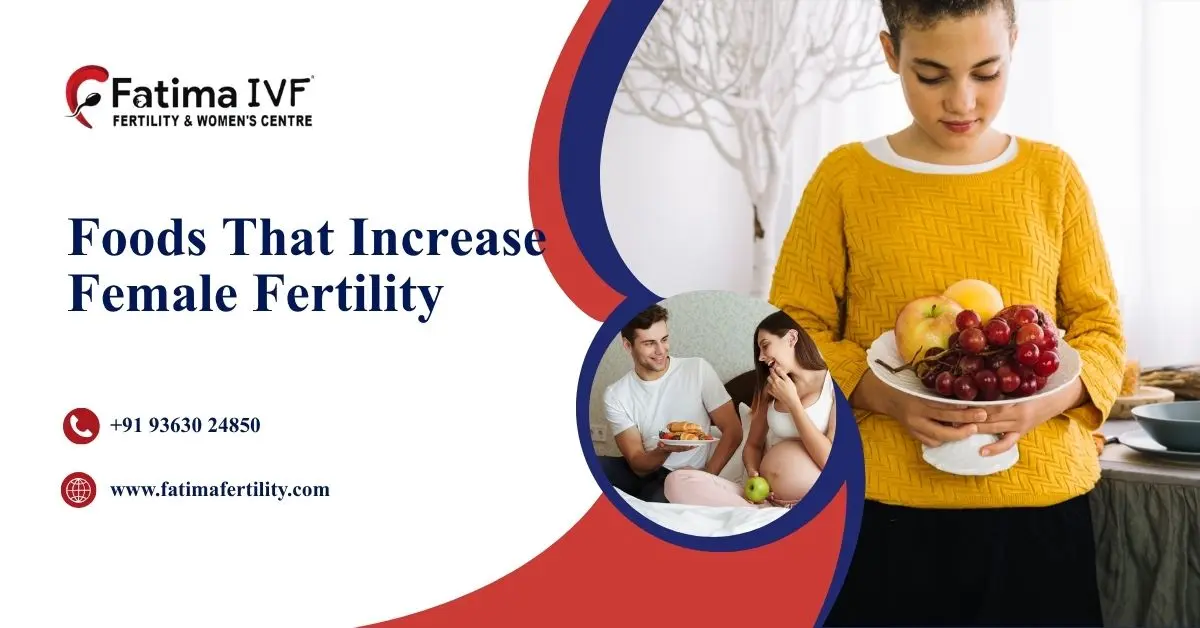
Have you ever wondered if the food you eat can help you get pregnant? It really can. What you put on your plate has a direct connection to your hormones, your ovulation, and your overall fertility.
Female fertility simply means your body’s natural ability to get pregnant and carry a baby. And one of the most powerful ways to support that ability is through your daily diet. In fact, studies show that “women who follow a nutrient-rich diet have been shown to improve fertility outcomes by up to 69% in some studies.”
At Fatima Fertility Center, we want you to feel hopeful and informed. Nutrition is not about strict rules or complicated meal plans. It’s about choosing foods that make your body feel strong and ready for pregnancy. Even the simplest shift in your daily meals can plant the seed for something beautiful.. Let’s walk through them together.
How Nutrition Affects Female Fertility
To understand why food matters, it helps to look at the intricate system inside your body. Your reproductive health relies on key hormones like estrogen and progesterone. Think of these hormones as messengers that tell your body when to release an egg and how to prepare the uterus for pregnancy. Just like a house needs the right materials to be built, your body needs specific nutrients from food to produce these hormones and keep the lines of communication clear.
For conception to occur, regular ovulation is essential. Think of ovulation as your body’s way of saying, ‘An egg is ready. The quality of that egg is equally important. Think of egg quality like a seed—the stronger the seed, the better it can bloom
When your diet lacks certain nutrients, it can disrupt these delicate cycles. Even a small deficiency in micronutrients like zinc or folate can disrupt ovulation cycles. This is why a focus on whole, nutrient-dense foods isn’t just about general health; it’s a direct, natural way to support your reproductive system. By choosing the right ingredients, you are essentially giving your body the building blocks it needs to function at its best.
Top Foods That Increase Female Fertility
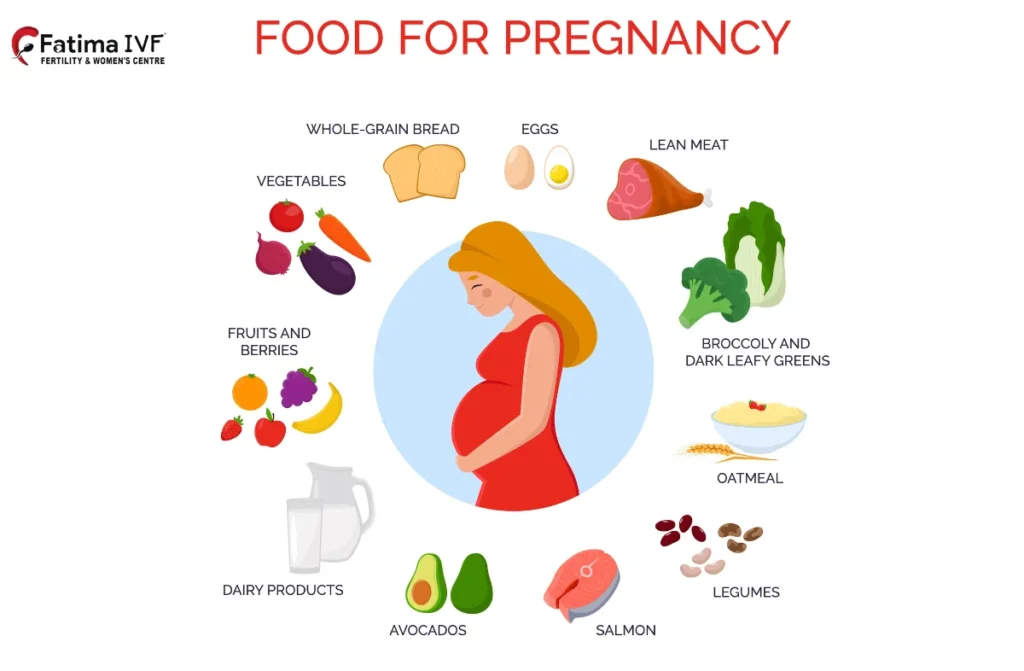
Now, let’s get to the heart of the matter. The following foods are celebrated in nutritional science not just as healthy options, but as powerful natural ways to boost fertility. Incorporating them into your routine is a proactive step toward creating a best diet for female fertility.
a. Leafy Green Vegetables
Examples: Spinach, kale, broccoli, and Swiss chard.
Leafy greens are like gentle helpers for your body—they’re full of folate, which helps your cells grow and divide just the way they should. Folate supports egg health and reduces the risk of ovulatory issues, making it a non-negotiable nutrient for anyone trying to conceive.
Additionally, these greens are rich in iron. Some studies suggest that getting adequate iron from plant sources may lower the risk of ovulatory infertility. Whether tossed into a salad, blended into a smoothie, or lightly sautéed as a side dish, aim to include a serving of leafy greens daily.
b. Nuts and Seeds
Examples: Almonds, walnuts, flaxseeds, chia seeds, and pumpkin seeds.
When we talk about foods to improve egg quality, nuts and seeds often take center stage. They are excellent sources of Omega-3 fatty acids, healthy fats that play a vital role in reducing inflammation and regulating reproductive hormones. Omega-3s help regulate reproductive hormones, creating a more balanced environment for ovulation.
Walnuts and flaxseeds are particularly high in these beneficial fats. Sprinkle a tablespoon of ground flaxseeds on your oatmeal or enjoy a small handful of almonds as a snack. These little powerhouses are easy to add to your day and offer immense benefits.
c. Protein-Rich Foods
Examples: Eggs, lentils, chickpeas, beans, and tofu.
Protein is essential for nearly every cell in your body, but the source of your protein matters for fertility. Focusing on plant-based protein—like lentils and beans—can be a wise choice. Research suggests that replacing some animal protein with plant protein may reduce the risk of infertility.
Eggs are another fertility-friendly protein source. They are one of the few foods that naturally contain vitamin D and choline, both important for fetal development and overall reproductive health. A balanced approach that prioritizes beans, lentils, and eggs can provide the amino acids you need without the added hormones sometimes found in processed meats.
d. Full-Fat Dairy Products
Examples: Whole milk, full-fat yogurt, and cheese.
For years, low-fat dairy was touted as the healthier option. However, when it comes to fertility, full-fat dairy may be the better choice. Some large-scale studies have found that women consuming full-fat dairy may have a lower risk of ovulatory infertility compared to low-fat dairy.
The theory is that the process of removing fat from dairy can alter the balance of sex hormones. While the exact reasons are still being studied, incorporating a serving of full-fat yogurt or a glass of whole milk can be a simple shift. It’s about adding wholesome, unprocessed dairy back into your diet.
e. Berries and Antioxidant-Rich Fruits
Examples: Blueberries, strawberries, raspberries, and oranges.
Your eggs are some of the longest-living cells in your body, and over time, they can be affected by oxidative stress—a process where free radicals damage cells. This is where antioxidants step in like gentle guardians for your eggs. Antioxidants protect eggs from oxidative stress and aging, helping to preserve their quality.
Berries are loaded with antioxidants like vitamin C and anthocyanins. They are naturally sweet, colorful, and a perfect way to satisfy a sugar craving in a healthy way. A handful of blueberries on your cereal or a bowl of mixed berries for dessert is a delicious act of self-care for your fertility.
f. Fatty Fish
Examples: Salmon, sardines, mackerel, and anchovies.
Fatty fish are the gold standard for anti-inflammatory Omega-3s, specifically DHA and EPA. DHA is a critical component of the cell membrane and is particularly important for reproductive function. Rich in DHA, which supports embryo development, fatty fish can be a wonderful addition to a fertility-focused diet.
Think of adding fatty fish to your weekly menu about twice a week; your body will appreciate the gentle boost. If you don’t eat fish, consider discussing an algae-based Omega-3 supplement with your doctor, as these essential fats are difficult to obtain from other food sources.
g. Whole Grains
Examples: Brown rice, oats, quinoa, and barley.
Your body’s hormones are sensitive to spikes in blood sugar. Highly processed carbohydrates—like white bread and sugary cereals—can cause rapid spikes and crashes, which can disrupt hormonal balance. Whole grains provide a steady release of energy thanks to their complex carbohydrates and fiber content. Stable blood sugar from complex carbs supports hormonal balance, helping to maintain regular ovulation.
Quinoa is a fantastic option as it’s also a complete protein. Swapping out refined grains for whole grains is a simple yet powerful way to stabilize your cycle and improve overall metabolic health.
Foods to Limit for Better Fertility
As we focus on adding nourishing foods, it’s also helpful to be mindful of certain items. This isn’t about restriction or creating fear; it’s about making informed choices that align with your goals. Think of it as gently shifting your plate to prioritize what serves you best.
- Trans Fats:Fried foods, cookies, and packaged snacks can carry trans fats; simply knowing this helps you make choices that feel good. High trans fat intake has been linked to increased risk of ovulatory infertility. Instead, opt for cooking with olive oil or avocado oil.
- Excess Sugar: High sugar intake can lead to insulin resistance, which can interfere with ovulation. Try to satisfy your sweet tooth with whole fruits or dark chocolate.
- High Caffeine: While a cup of coffee is generally fine, excessive caffeine consumption may be associated with reduced fertility. Moderation is key.
Remember, a single meal won’t make or break your fertility journey. It’s the overall pattern of eating that truly matters.
Lifestyle Tips Alongside Diet
A fertility-friendly diet is most powerful when combined with a supportive lifestyle. These small, positive changes work in harmony with your nutrition to create an environment where conception is more likely.
- Stay Hydrated: Water is essential for the health of your cervical mucus, which helps sperm travel to the egg. Aim for at least eight glasses of water a day.
- Maintain a Healthy Weight: Both being underweight and overweight can disrupt ovulation. A balanced diet and gentle movement can help you reach a weight that supports your cycles.
- Move Gently: Moderate exercise like walking, swimming, or yoga is excellent for blood flow and stress reduction. Avoid over-exercising, which can sometimes negatively impact ovulation.
- Manage Stress: This is often overlooked, but it’s crucial. Chronic stress can interfere with ovulation by disrupting the communication between your brain and ovaries. Find what relaxes you—whether it’s reading, meditation, or spending time in nature—and make it a priority.
Sample Fertility-Boosting Meal Plan
To help you visualize how these principles come together, here is a simple, realistic one-day meal plan. The goal is consistency, not perfection. Consistency matters more than occasional “healthy meals.”
- Breakfast: A warm bowl of oatmeal topped with a handful of fresh blueberries, a sprinkle of flaxseeds, and a few almonds. This combination provides whole grains, antioxidants, and healthy fats to start your day.
- Lunch: A large quinoa salad mixed with fresh spinach, chickpeas, cherry tomatoes, and cucumbers, drizzled with a lemon-tahini dressing. This meal is rich in plant-based protein, folate, and fiber.
- Snack: A cup of full-fat yogurt with a drizzle of honey, or an apple with a tablespoon of almond butter. These snacks are satisfying and help stabilize blood sugar between meals.
- Dinner: Baked or grilled salmon served with a side of roasted broccoli and sweet potato. This dinner is packed with Omega-3s, vitamin D, and complex carbohydrates.
When to See a Doctor at Fatima Fertility Center
While diet and lifestyle are powerful tools, there are times when professional guidance is the best next step. Fertility is a complex journey, and you don’t have to navigate it alone.
We generally recommend seeking a fertility assessment if:
- You are under 35 and have been trying to conceive for 12 months without success.
- Six months of trying when you’re over 35 is a natural time to connect with a fertility specialist who can listen and guide.
- You have irregular or absent periods.
- You have known health conditions like PCOS, endometriosis, or thyroid disorders.
- Your journey is unique—if you’ve faced pelvic inflammatory disease or multiple miscarriages, we’re here to help you write the next chapter with care.
At Fatima Fertility Center, we see ourselves as your partner. We combine cutting-edge science with compassionate, individualized care. If you’re ready to take the next step, our team is here to provide the expert support you need, complementing the healthy foundation you are already building through nutrition.
Conclusion
The journey to becoming a parent is often a blend of hope, patience, and proactive steps. Focusing on foods that increase female fertility is one of the most empowering steps you can take. It’s a way to take control of your health, nurture your body, and lay a strong foundation for a future pregnancy.
You don’t need to overhaul your life overnight. Start small.A handful of spinach in your favorite pasta dish is a gentle way to nourish your journey. Swap your afternoon cookie for a handful of walnuts. Choose brown rice instead of white. Each small, positive choice is a step forward. Improving diet even 3 months before conception can positively impact egg quality, as the egg maturation process takes about 90 days.
Your body is capable of incredible things, and by giving it the right fuel, you are setting the stage for the miracle of life. Whether your path leads to a natural conception or with the support of fertility treatments, a nourished body is your greatest asset. We at Fatima Fertility Center are here to support you every step of the way, offering expert guidance and a warm, caring environment for your unique journey.