A low hemoglobin number on a blood report can be worrying. Many women first see it during a routine check-up, a pregnancy visit or a health camp, and the first question is usually the same: how low is too low? This guide explains low hemoglobin dangerous levels in simple words, so you know what your numbers mean, when to act and when there is no need to panic. We also look closely at pregnancy, because that is when hemoglobin matters most for both mother and baby.
What Is Hemoglobin and Why Is It Important?
Hemoglobin is a protein found inside your red blood cells. It contains iron, and the iron lets it pick up oxygen in the lungs and carry it to every part of the body. Your brain, heart, muscles and womb all depend on this oxygen supply to work properly.
Red blood cells are made in the bone marrow and live for about 120 days, so the body must keep making new ones. When there are too few red blood cells, or each cell carries too little hemoglobin, the body gets less oxygen than it needs. This condition is called anaemia. You may feel tired and weak because your body is short of the oxygen that gives you energy.
What Are Normal Hemoglobin Levels?
Hemoglobin is measured in grams per deciliter (g/dL). The normal range depends on age, sex, pregnancy and even the laboratory that tests your blood. So always read your result against the range printed on your own report.
Normal Hemoglobin Levels in Women
For adult women who are not pregnant, hemoglobin is usually around 12.0 to 15.5 g/dL. Most laboratories treat 12.0 g/dL as the lower limit. Heavy periods, low iron intake and previous pregnancies can all pull a woman’s level down over time.
Normal Hemoglobin Levels in Men
Men usually have higher hemoglobin, around 13.5 to 17.5 g/dL, with 13.0 g/dL as the common lower limit. This difference is partly due to hormones and partly because men do not lose blood through monthly periods.
Normal Hemoglobin Levels During Pregnancy
Pregnancy changes the numbers. The World Health Organization (WHO) uses 11.0 g/dL as the lower limit in the first and third trimesters, and about 10.5 g/dL in the second trimester. The drop happens because your blood volume increases during pregnancy, so the same red blood cells are spread through more fluid. A small, expected dip is not the same as true anaemia.
When Is Hemoglobin Considered Low?
Hemoglobin is called low when it falls below the lower limit for your group. Doctors then grade the anaemia as mild, moderate or severe. The table below shows the commonly used cut-offs (WHO classification, also followed in Indian pregnancy guidelines). The normal column is separate from the severity columns so the two are not confused.
| Group | Normal (no anaemia) | Mild anaemia | Moderate anaemia | Severe anaemia |
|---|---|---|---|---|
| Adult women (not pregnant) | 12.0 g/dL or above | 11.0–11.9 g/dL | 8.0–10.9 g/dL | Below 8.0 g/dL |
| Adult men | 13.0 g/dL or above | 11.0–12.9 g/dL | 8.0–10.9 g/dL | Below 8.0 g/dL |
| Pregnant women | 11.0 g/dL or above | 10.0–10.9 g/dL | 7.0–9.9 g/dL | Below 7.0 g/dL |
These are general reference values. Your doctor will read your result along with your symptoms, history and the lab’s own range.
What Are Low Hemoglobin Dangerous Levels?
When people search for low hemoglobin dangerous levels, they usually want one clear number. The honest answer is that the risk grows as hemoglobin falls, but no single number decides everything. The speed of the drop, your symptoms, pregnancy and other health conditions all matter.
Mildly Low Hemoglobin Levels
In mild anaemia, hemoglobin is just under the normal limit. Many women feel nothing at all, or only a little tiredness. Mild anaemia is common, especially with iron deficiency, and it is usually found by chance on a blood test. It is not an emergency, but it should not be ignored, because it may be the first sign of an ongoing cause such as heavy periods or poor iron intake.
Moderately Low Hemoglobin Levels
With moderate anaemia, symptoms usually become noticeable. You may feel tired through the day, get breathless on stairs, notice your heart beating faster, or have headaches and poor concentration. At this stage a doctor’s assessment is important so that the cause can be found and a treatment plan started.
Severely Low Hemoglobin Levels
Severe anaemia means the body is struggling to deliver enough oxygen. Weakness, breathlessness, dizziness and a racing heart are common, and the heart is under extra strain. This level needs prompt medical assessment, and in pregnancy it needs close monitoring by a doctor.
When Does Low Hemoglobin Become a Medical Emergency?
A hemoglobin level below 7 g/dL is often treated as potentially serious in adults and usually needs urgent assessment by a doctor. But there is no universal number that, on its own, decides an emergency or the need for a blood transfusion.
Doctors also look at several other things:
- How quickly the level dropped. A sudden fall from bleeding is more dangerous than a slow fall over months, because the body gets time to adjust to the slow one.
- Whether there are symptoms such as chest pain, fainting or breathlessness at rest.
- Whether the person is pregnant or has recently delivered.
- Whether there is active bleeding.
- Whether the person has heart, lung or kidney disease.
What Happens When Hemoglobin Levels Become Extremely Low?
When hemoglobin becomes very low, less oxygen reaches the tissues. The body tries to make up for it. The heart beats faster and harder to push more blood around, and you may breathe faster. Over time, or in people who already have heart problems, this extra work can strain the heart and cause chest discomfort or an irregular heartbeat.
The brain is sensitive to low oxygen, so dizziness, poor concentration, confusion or fainting can happen. Other organs, such as the kidneys, may also be affected if the problem continues without treatment.
This does not mean every low result leads to such problems. Most people are diagnosed and treated long before this point. The key message is simple: a very low level needs timely medical assessment, not delay.
What Are the Common Causes of Low Hemoglobin?
Low hemoglobin happens when the body makes too few red blood cells, loses them, or breaks them down too fast. Finding the exact cause is the most important step in treatment.
Iron Deficiency
Iron is the main building block of hemoglobin. When the body does not get or absorb enough iron, it cannot make enough hemoglobin. This is the most common cause of anaemia in women, especially in India, where diets may be low in absorbable iron.
Vitamin B12 Deficiency
Vitamin B12 is needed to make healthy red blood cells. Without enough of it, the bone marrow makes fewer and larger, poorly working cells. It can happen with a strict vegetarian diet, or when the body cannot absorb B12 properly from food.
Folate Deficiency
Folate (vitamin B9) also helps form red blood cells. Needs rise sharply in pregnancy, so a shortage can develop quickly if the diet is poor. Folate is also important before and early in pregnancy for the baby’s development.
Heavy Menstrual Bleeding
Every period removes some iron from the body. When bleeding is heavy or long, iron stores can run low month after month. Conditions such as fibroids or menstrual disorders can cause this, and a fibroid uterus is one of the common reasons women develop anaemia.
Blood Loss and Internal Bleeding
Bleeding from a stomach ulcer, piles or the gut can be slow and hidden. Over weeks or months, this silent blood loss can lower hemoglobin without any obvious sign. Long-term use of some painkillers can irritate the stomach lining, which is one reason to take medicines only as advised by a doctor.
Chronic Kidney Disease
The kidneys make a hormone that tells the bone marrow to produce red blood cells. When the kidneys are not working well, this signal weakens, and anaemia can follow.
Chronic Inflammatory Conditions
Long-lasting infections and inflammatory or autoimmune diseases can interfere with how the body uses iron and make red blood cells. The result is anaemia even when iron intake is reasonable.
Thalassemia and Other Genetic Blood Disorders
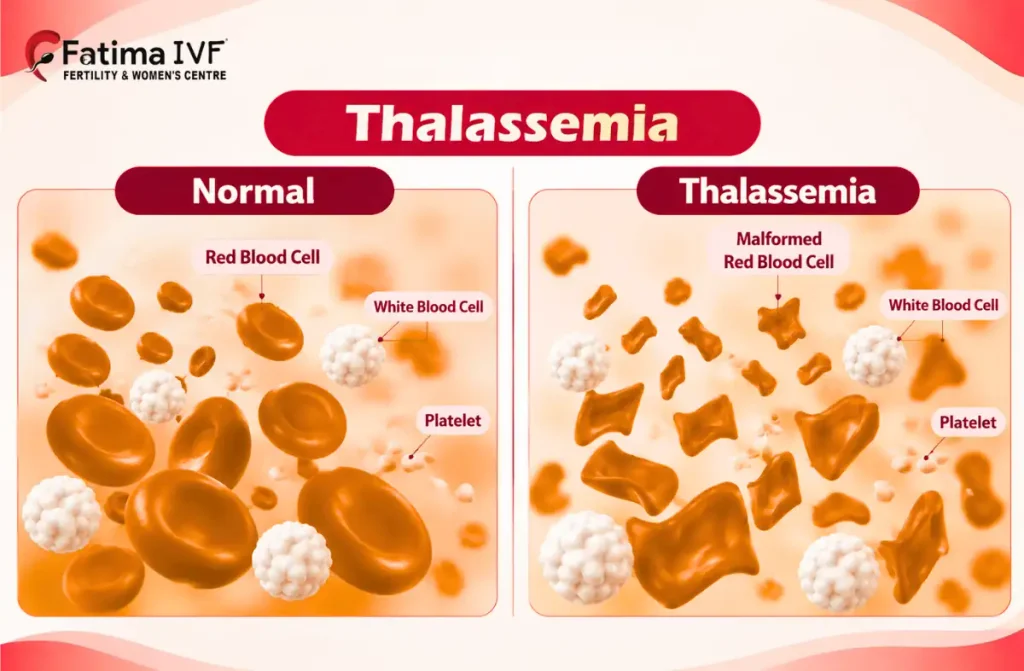
Some people inherit conditions, such as thalassemia or sickle cell disease, that affect how hemoglobin is made or shaped. Red blood cells in these conditions break down earlier than normal. Couples planning pregnancy may be advised to be screened for these conditions.
Bone Marrow Conditions
Because red blood cells are made in the bone marrow, diseases that affect the marrow, and some treatments such as chemotherapy, can reduce red blood cell production. These causes are less common but are important to rule out when anaemia does not have a clear explanation.
What Are the Symptoms of Dangerously Low Hemoglobin?
Symptoms depend on how low the level is and how fast it fell. Common signs include:
- Persistent tiredness and weakness: feeling drained even after enough sleep.
- Pale skin and pale inner eyelids: a lack of red blood cells reduces natural colour.
- Dizziness and lightheadedness: especially when standing up quickly.
- Shortness of breath: even during light activity such as climbing stairs.
- Rapid or irregular heartbeat: the heart works harder to move oxygen around.
- Cold hands and feet: blood flow shifts to protect vital organs.
- Chest discomfort: the heart muscle is not getting enough oxygen.
- Fainting or confusion in severe cases: the brain is short of oxygen.
Some people have very few symptoms even when their blood test is clearly abnormal, especially if the level fell slowly. That is why a blood test, and not only how you feel, is the only reliable way to know your hemoglobin.
Is Low Hemoglobin Dangerous During Pregnancy?
Pregnancy needs extra blood and extra iron, which is why anaemia is common. Mild or moderate anaemia is usually manageable with proper care. Low hemoglobin dangerous levels in pregnancy, which means severe anaemia, need closer attention because they can affect both mother and baby. Not every low result in pregnancy is an emergency, though, and many are corrected with timely treatment.
Why Does Hemoglobin Decrease During Pregnancy?
During pregnancy, the liquid part of your blood grows faster than the red blood cells. This natural “dilution” lowers the hemoglobin reading a little, even in a healthy pregnancy. At the same time, your body and your baby need more iron to build red blood cells, the placenta and the baby’s own blood supply.
Iron Deficiency Anaemia During Pregnancy
If iron stores were already low before pregnancy, they can run out quickly. This is why checking hemoglobin and iron levels at the planning stage, through preconception care, can make the pregnancy safer. A doctor decides whether iron treatment is needed and how it should be given, so please do not start iron tablets on your own.
How Does Severe Anaemia Affect Maternal Health?
Untreated significant anaemia can cause heavy tiredness, breathlessness and dizziness. It can reduce a mother’s ability to cope with blood loss during delivery, and it is linked to a higher chance of needing a blood transfusion. It may also lower resistance to infections and slow recovery after delivery, which is why postpartum care includes checking anaemia as well.
Possible Risks for the Developing Baby
Severe anaemia in the mother is linked to a higher chance of premature birth and low birth weight. The baby depends on the mother’s oxygen and iron supply, so correcting anaemia protects the baby too. These are risks, not certainties, and many women with anaemia deliver healthy babies with the right care.
Why Is Regular Hemoglobin Monitoring Important?
Hemoglobin can change from one trimester to the next. Regular blood tests during antenatal care let the doctor spot a fall early and treat it before it becomes severe. If anaemia is significant or comes with other risk factors, closer follow-up under high-risk pregnancy management and fetal monitoring may be advised.
How Is Low Hemoglobin Diagnosed?
Diagnosis has two parts: confirming that hemoglobin is low, and finding out why. A blood report on its own is never the full picture. Doctors read it together with your symptoms, periods, diet, pregnancy status and medical history.
Complete Blood Count (CBC) Test
The CBC is the main test. It measures hemoglobin, red blood cell count, and the size and shape of red cells, along with white cells and platelets. The size of the red cells often gives the first clue about the cause. Small cells commonly point to iron deficiency, while large cells may point to B12 or folate deficiency.
Hemoglobin and Hematocrit Measurements
Hemoglobin shows how much oxygen-carrying protein is in your blood. Hematocrit shows what percentage of your blood is made up of red blood cells. Doctors look at both together to confirm anaemia.
Serum Ferritin and Iron Studies
Ferritin shows how much iron your body has stored. Low ferritin is a strong sign of iron deficiency, often appearing before hemoglobin drops. Other iron tests show how much iron is in the blood and how well it is being carried. Ferritin can read falsely normal when there is inflammation, so doctors interpret it carefully.
Vitamin B12 and Folate Tests
These tests check whether a vitamin shortage is the reason for low red blood cells. Without them, the cause may be missed, and iron alone would not fix the problem.
Additional Tests to Identify Underlying Causes
If the cause is unclear, the doctor may advise further tests. These can include a peripheral blood smear, a reticulocyte count, hemoglobin electrophoresis for thalassemia, kidney tests, stool tests for hidden blood, or a pelvic ultrasound to look for causes of heavy bleeding.
How Is Dangerously Low Hemoglobin Treated?
Treatment depends on the cause and how severe the anaemia is. No treatment works the same way for everyone, and results cannot be guaranteed. The aim is to treat the cause and bring hemoglobin back to a safe range under medical supervision.
Iron Supplementation
For iron deficiency, doctors usually prescribe iron tablets or syrup, and sometimes advise taking them alongside vitamin C. The type, amount and length of treatment are decided by your doctor after tests. Iron should not be taken without advice, because too much can be harmful and a wrong diagnosis can delay the real treatment.
Vitamin B12 and Folate Treatment
If tests show a shortage of B12 or folate, the doctor will give the right supplement. B12 may be given as tablets or injections, depending on why it is low.
Dietary Changes
A balanced diet supports treatment and helps prevent anaemia from coming back. Food alone, however, may not be enough to correct moderate or severe anaemia.
Treatment of Underlying Medical Conditions
If anaemia is caused by heavy periods, fibroids, ulcers, kidney disease or another condition, treating that condition is essential. Without it, hemoglobin may keep falling, even with supplements.
Intravenous Iron Therapy
Intravenous (IV) iron is given through a drip in a medical setting. A doctor may consider it when tablets are not tolerated, do not work well, or when a faster rise is needed, such as in later pregnancy. It is not a first choice for everyone and is given only under supervision.
Blood Transfusion in Severe Cases
A blood transfusion may be considered when hemoglobin is very low, when there are serious symptoms, or when there is active heavy bleeding. It is not needed for everyone with low hemoglobin, and the decision depends on the whole clinical picture, not on the number alone.
Foods That Help Support Healthy Hemoglobin Levels
Good food supports your body’s ability to make hemoglobin. It works best alongside medical care, not instead of it.
Iron-Rich Foods
- Green leafy vegetables such as spinach, amaranth and drumstick leaves
- Lentils, beans, chickpeas and peas
- Nuts and seeds, such as sesame and pumpkin seeds
- Dates, raisins and other dried fruits
- Eggs
- Meat and fish, where suitable for your diet
Iron from animal foods is absorbed more easily than iron from plants, so plant-based eaters should pay extra attention to the next tip.
Vitamin C-Rich Foods
Vitamin C helps your body absorb iron from plant foods. Eating citrus fruits, guava, tomatoes or capsicum along with iron-rich meals can make a real difference.
Vitamin B12 Sources
B12 is found mainly in animal foods such as eggs, milk, curd, fish and meat. People who eat no animal products may need fortified foods or supplements, which their doctor can advise on.
Folate-Rich Foods
Folate comes from green leafy vegetables, lentils, beans, citrus fruits and whole grains. Cooking for too long can destroy much of the folate, so light cooking is better.
Foods That May Reduce Iron Absorption When Consumed With Iron-Rich Meals
Tea and coffee contain compounds that block iron absorption, so it helps to drink them at least an hour away from main meals. Very high calcium intake at the same time as iron-rich food can also reduce absorption. You do not need to avoid these foods completely, only to space them out.
When Should You Seek Medical Attention for Low Hemoglobin?
If your report shows low hemoglobin dangerous levels, do not wait to see if it improves on its own. A significantly low result needs prompt assessment, even when you feel fairly well, because the body can hide the problem for a long time.
Book a routine consultation soon if you notice worsening tiredness or weakness, persistent dizziness, pale skin, heavy or long periods, or if you are planning pregnancy or are already pregnant and your report is abnormal.
Get emergency medical care immediately if you have any of these warning signs:
- Chest pain or pressure
- Fainting or near-fainting
- Severe breathing difficulty, or breathlessness even at rest
- A very fast heartbeat that does not settle
- New confusion or extreme drowsiness
- Active heavy bleeding, such as soaking a pad every hour, vomiting blood or passing black, tarry stools
- Any of these symptoms during pregnancy or soon after delivery
Why Choose Fatima Fertility for Women’s Health and Pregnancy Guidance?
Fatima IVF, Fertility & Women’s Centre in Chennai offers fertility care, gynaecology and pregnancy support in one place, led by Dr. Fathimunissa, gynaecologist and fertility specialist. The centre runs at two locations, Anna Nagar and Triplicane. You can read more about the team on the About Us page.
Women’s reproductive health and anaemia are closely linked. Heavy periods, nutritional gaps and pregnancy all affect hemoglobin, so finding anaemia before conception, and watching it through pregnancy, protects both mother and baby. Fatima Fertility provides preconception care, antenatal care, maternal education and support for normal and cesarean deliveries. If you are planning a family, an infertility workup can also be a good time to review your blood reports.
Every woman’s body is different, so guidance should be personal. Bring your latest blood report to your visit so the doctor can explain what it means for you.
- Anna Nagar: No. 1587, 6th Avenue, Anna Nagar, Chennai – 600 040 (opposite SBI Bank)
- Triplicane: No. 1/1, Ground Floor, Triplicane High Road, Triplicane, Chennai – 600 005
Conclusion
Hemoglobin carries oxygen to every part of your body, so keeping it healthy matters for your energy, your heart and, for women, your pregnancy. Understanding low hemoglobin dangerous levels helps you act at the right time. Very low hemoglobin can affect oxygen delivery and may lead to serious complications if left untreated, but most anaemia can be found and treated early.
The steps are simple: get a proper blood test, find the cause, follow the treatment your doctor advises, and support your body with good food. If you have low hemoglobin, are planning a pregnancy, or are expecting, please speak to a doctor rather than guessing or self-medicating. A short consultation with the team at Fatima Fertility can help you understand your report and plan the right next step.
This article is for general information and is not a substitute for medical advice. Please consult a qualified doctor about your own health.