Starting a family is one of the biggest steps in life, and having the right doctor beside you makes the journey easier. Dr. Fathimunissa at Fatima IVF, Fertility & Women’s Centre in Triplicane is regarded as the best fertility doctor in Triplicane, helping couples understand their fertility health and plan the right treatment for their situation. Every patient is met with a clear explanation, a personal plan, and a team that stays with them from the first visit to the final result.
Meet Dr. Fathimunissa – Experienced Fertility Specialist
Dr. Fathimunissa – Qualifications & Expertise
- Qualification: MBBS (Kilpauk Medical College), MS – Obstetrics & Gynecology (Sri Ramachandra Medical College), Fellowship in Fertility Medicine, Fellowship in Laparoscopy, Degree in Fertility Medicine (Germany)
- Specialty: Reproductive Medicine, Fertility & IVF, Obstetrics, Gynecology, Laparoscopic Surgery
- Experience: 20+ years
- Location: Triplicane & Anna Nagar, Chennai
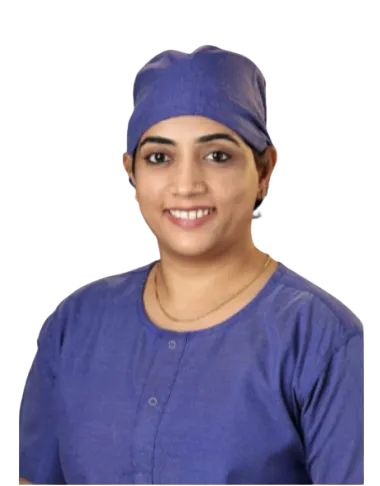
Dr. Fathimunissa M.A. is a highly experienced gynaecologist and fertility specialist based in Chennai. With over 20+ years of dedicated practice in women’s reproductive health, she has guided thousands of couples through their fertility journey — from initial diagnosis to successful pregnancy.
She holds a postgraduate degree in Obstetrics & Gynaecology and has undergone advanced training in assisted reproductive technologies, including IVF, ICSI, and minimally invasive gynaecological procedures. Her clinical background spans high-risk pregnancies, complex infertility cases, and advanced fertility treatments that require both technical skill and thoughtful patient care.
Dr. Fathimunissa also serves as a visiting consultant at MGM Hospitals and Mehta Hospitals, Chennai — reflecting the confidence her peers and institutions place in her expertise.
As one of the most trusted Top Fertility Doctors in Chennai, she brings together medical precision and genuine compassion — two qualities that matter most when fertility is involved.
Areas of Specialisation
Dr. Fathimunissa specialises in a wide range of fertility and gynaecological conditions:
- In Vitro Fertilisation (IVF) and Intracytoplasmic Sperm Injection (ICSI)
- Intrauterine Insemination (IUI) for mild infertility
- Recurrent pregnancy loss evaluation and management
- Polycystic Ovarian Syndrome (PCOS) and hormonal imbalances
- Endometriosis diagnosis and fertility-preserving treatment
- Male infertility assessment and coordination of treatment
- High-risk pregnancy monitoring and management
- Fertility preservation — egg freezing and embryo freezing
- Advanced procedures including ERA, PGT-A, and Micro TESE
Her ability to manage both common and complex cases under one roof means patients do not have to move between multiple specialists or clinics.
Why Patients Trust Dr. Fathimunissa
Trust is built over time — and for Dr. Fathimunissa, it has been built one patient at a time over 20+ years.
Patients returning to Fatima IVF often mention the same things: she listens without rushing, she explains options clearly without using confusing medical language, and she is honest about what is realistic for each individual situation. That kind of transparency is rare and deeply valued — especially in fertility care, where emotions run high.
She does not follow a one-treatment-fits-all approach. Every couple who walks through the door at Fatima IVF is assessed individually, and every treatment plan is built around their specific medical history, test results, and personal circumstances.
Why Choose Fatima Fertility in Triplicane?
The Triplicane centre is located at 293/148, Triplicane High Road, beside South Indian Bank, Chennai 600005, an easy landmark for anyone using public transport or driving in from Mylapore, Royapettah, or the surrounding areas. Being on the main high road with a well-known bank next door makes the clinic simple to locate on a first visit. Patients from Triplicane and nearby neighbourhoods can reach the centre without needing to travel to Anna Nagar or other parts of the city for routine fertility care.
Advanced Fertility Treatments
Fatima Fertility offers a full range of fertility treatments under one roof, from simple ovulation support to advanced procedures like ICSI and PGT-A embryo screening. This means a couple does not have to be referred elsewhere as their treatment progresses from basic testing to more advanced options. The centre also offers procedures such as laparoscopy and hysteroscopy for conditions like fibroids, endometriosis, and blocked tubes that can affect fertility. Having advanced and basic treatments in the same location keeps a patient’s medical history and test records in one place. This continuity often helps the doctor make faster, better-informed decisions as treatment moves forward.
Personalized Fertility Treatment Plans
No two fertility journeys are the same, so Dr. Fathimunissa builds each treatment plan around the couple’s specific test results, age, and medical history. A younger couple with mild ovulation issues may only need monitored cycles and medication, while another couple may need IVF or ICSI from the start. The plan is explained step by step, so patients understand why a particular test or medicine has been recommended. Adjustments are made along the way based on how the body responds, rather than following a fixed protocol for everyone. This personal approach helps avoid unnecessary treatments and keeps the focus on what each couple actually needs.
Experienced Fertility and IVF Specialists
The fertility team at the Triplicane centre includes doctors, embryologists, and nursing staff who work together on every case, not just the treating doctor alone. Embryologists handle the laboratory side of IVF and ICSI, including egg retrieval, fertilization, and embryo culture, while the medical team manages hormone monitoring and scans. This teamwork matters because a fertility cycle involves many small, time-sensitive steps that need to be coordinated closely. Regular case discussions between the doctor and lab team help catch issues early, such as a need to change medication dosage. Patients benefit from having specialists in each part of the process rather than one person managing everything alone.
Patient-Centred Fertility Care
Fertility treatment can involve many appointments, tests, and decisions, so the Triplicane team focuses on keeping the process manageable for each patient. Consultations are scheduled with enough time for questions, and staff explain each test or scan before it happens, so nothing feels rushed or unclear. The clinic also keeps communication open through phone and WhatsApp, so patients can check on results or ask quick questions between visits. Costs and next steps are discussed upfront, which helps couples plan their treatment without last-minute surprises. This steady, transparent approach is part of why many patients continue to recommend the clinic to others.
Modern Fertility and Embryology Facilities
The centre is equipped with an in-house embryology lab, which is essential for procedures like IVF, ICSI, and embryo screening to be done accurately and on schedule. Having the lab on-site means eggs, sperm, and embryos do not need to travel between locations, reducing handling and delays. The facility also supports procedures such as PGT-A, which screens embryos for genetic abnormalities before transfer. Ultrasound and monitoring equipment used during treatment cycles are available at the same centre, so scans do not require a separate visit elsewhere. Keeping diagnostics, lab work, and treatment in one building simplifies the experience for patients going through a fertility cycle.
Fertility Treatments Available at Fatima Fertility Triplicane
IVF Treatment in Triplicane
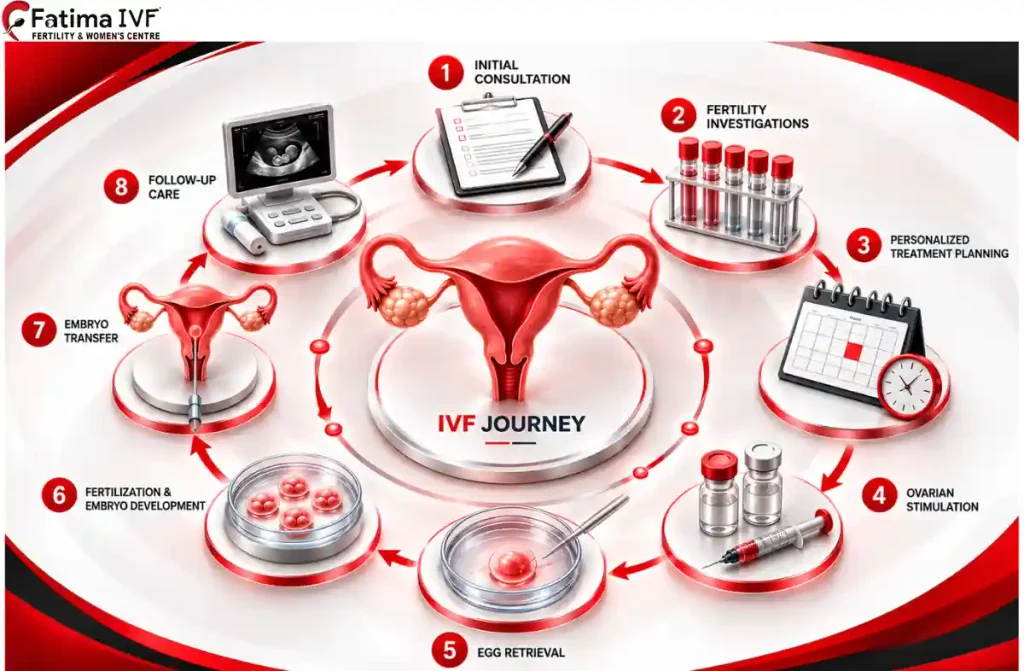
In vitro fertilization (IVF) involves collecting eggs and sperm and combining them outside the body before transferring a healthy embryo back into the uterus. It is generally recommended when other treatments like IUI have not worked, or when there are conditions such as blocked fallopian tubes or significant male-factor infertility. At the Triplicane centre, each IVF cycle is monitored closely with hormone tests and ultrasound scans to time egg collection accurately. The on-site embryology lab handles fertilization and embryo development, allowing the team to select the healthiest embryo for transfer. Dr. Fathimunissa reviews each stage of the cycle personally, adjusting medication where needed based on how the patient responds.
IUI Treatment in Triplicane
Intrauterine insemination (IUI) is a simpler fertility treatment where prepared sperm is placed directly into the uterus around the time of ovulation. It is often the first treatment suggested for couples with mild fertility issues, unexplained infertility, or when donor sperm is being used. The process involves tracking ovulation through scans or medication, followed by a quick, minimally invasive procedure on the day of insemination. Because it is less invasive and more affordable than IVF, IUI is usually tried before moving to more advanced treatments. Success depends on factors like age, egg quality, and sperm health, which the doctor evaluates before recommending this option.
ICSI Treatment for Infertility
Intracytoplasmic sperm injection (ICSI) is an advanced version of IVF where a single healthy sperm is injected directly into an egg to help fertilization happen. This method is especially useful for couples dealing with low sperm count, poor sperm motility, or previous failed fertilization during standard IVF. The embryology team selects sperm carefully under a microscope before injection, which can improve fertilization rates in male-factor cases. After fertilization, the embryo is monitored in the lab just as it would be in a standard IVF cycle. ICSI is usually recommended after a detailed semen analysis confirms that sperm-related factors are affecting conception.
Ovulation Induction
Ovulation induction uses medication to help the ovaries release eggs in women who ovulate irregularly or not at all. It is commonly the first step for conditions like PCOS, where irregular hormone levels can prevent regular ovulation. Treatment is closely monitored through blood tests and ultrasound scans to track follicle growth and adjust medication doses safely. In many cases, ovulation induction is combined with timed intercourse or IUI to improve the chances of conception. This treatment is usually less intensive than IVF and is often tried first for women with straightforward ovulation problems.
Infertility Evaluation and Diagnosis
Before starting any treatment, Dr. Fathimunissa carries out a full evaluation to understand what is affecting a couple’s fertility. This helps avoid guesswork and ensures the treatment plan actually addresses the real cause. A typical evaluation includes:
- Hormone blood tests, including AMH, to assess ovarian reserve
- Ultrasound scans to check the uterus, ovaries, and follicle count
- Semen analysis to evaluate sperm count, motility, and shape
- Tests to check whether the fallopian tubes are open
- A review of menstrual history and any past pregnancies or losses
Once these results are in, the doctor explains the findings clearly and outlines the treatment options that fit the specific diagnosis.
Egg Donation and Donor Programs
Egg donation is offered for women who are unable to use their own eggs due to low ovarian reserve, early menopause, or certain genetic conditions. The programme matches patients with screened donors, and the clinic manages the medical coordination between donor and recipient cycles. Donor eggs are fertilized using the recipient’s or a donor’s sperm through IVF or ICSI, and the resulting embryo is transferred into the recipient’s uterus. This option is discussed only after other possibilities have been reviewed with the patient, so it is chosen with full understanding of what it involves. The team supports patients through each step, from donor matching to the final embryo transfer.
Embryo Donation
Embryo donation is an option for couples who need both donor eggs and donor sperm, often after other fertility treatments have not resulted in a pregnancy. Donated embryos, created and stored under medical supervision, are transferred into the recipient’s uterus during a monitored cycle. This route can be a practical option for couples facing infertility on both sides, or for those who want a shorter, more straightforward path to pregnancy. The clinic explains the process, screening standards, and legal considerations clearly before a couple decides to proceed. As with other advanced treatments, this option is offered as part of a personalized discussion, not a default recommendation.
PGT-A for Embryo Screening
Preimplantation genetic testing for aneuploidy (PGT-A) screens embryos for chromosomal abnormalities before they are transferred during an IVF or ICSI cycle. This can be particularly useful for couples with a history of miscarriage, repeated implantation failure, or advanced maternal age. A small sample is taken from the embryo in the lab and tested, and only embryos with a normal chromosome count are considered for transfer. This step adds time and cost to a treatment cycle, so the doctor discusses whether it is appropriate based on the couple’s history and age. PGT-A is offered as an additional option within an IVF cycle rather than a separate stand-alone treatment.
Fertility Problems Treated by Our Specialist
Female Infertility
Female infertility can result from several different factors, and identifying the exact cause is the first step in choosing the right treatment. Common causes seen at the clinic include:
- Irregular or absent ovulation
- Hormonal imbalances, including thyroid and prolactin issues
- Blocked or damaged fallopian tubes
- Uterine conditions such as fibroids or polyps
- Age-related decline in egg quality and quantity
Dr. Fathimunissa evaluates each of these possibilities through targeted tests before recommending a treatment path suited to the specific cause.
Male Infertility
Male infertility contributes to a significant share of fertility cases, yet it is often overlooked until a semen analysis is done. Common causes include:
- Low sperm count or poor sperm motility
- Abnormal sperm shape (morphology)
- Hormonal imbalances affecting sperm production
- Varicocele, a swelling of veins in the scrotum
- Lifestyle factors such as smoking, heat exposure, or certain medications
Once the cause is identified, treatment may range from lifestyle changes and medication to procedures like ICSI or sperm retrieval techniques.
PCOS and Infertility
Polycystic ovary syndrome (PCOS) is one of the most common causes of infertility in women, largely because it disrupts regular ovulation. Women with PCOS often have irregular periods, higher levels of certain hormones, and multiple small follicles visible on ultrasound. Treatment usually starts with lifestyle guidance and ovulation-inducing medication, since restoring regular ovulation can be enough for many women to conceive. If ovulation induction alone does not lead to pregnancy, the doctor may recommend IUI or IVF depending on other factors involved. Because PCOS varies widely from person to person, treatment is adjusted based on each woman’s hormone levels and response to initial medication.
Irregular Ovulation
Irregular ovulation means eggs are not released on a predictable monthly pattern, which makes timing conception difficult. It can be caused by hormonal imbalances, stress, significant weight changes, or underlying conditions like PCOS or thyroid disorders. Diagnosis usually involves tracking cycles alongside blood tests and ultrasound monitoring over one or more months. Treatment often starts with medication to encourage regular ovulation, combined with cycle tracking to identify the most fertile days. For many couples, correcting irregular ovulation alone is enough to improve their chances of natural conception.
Low Ovarian Reserve
Low ovarian reserve refers to a lower-than-expected number of remaining eggs, which is usually identified through an AMH blood test and an ultrasound follicle count. It becomes more common with age but can also occur in younger women due to genetic or medical factors. Because egg quantity naturally declines over time, the doctor often recommends starting treatment sooner rather than waiting when this diagnosis is confirmed. Depending on the degree of reduced reserve, treatment options may range from ovulation induction to IVF, and in some cases, donor eggs. Each plan is discussed in detail so the patient understands realistic expectations based on their specific test results.
Endometriosis and Fertility Problems
Endometriosis occurs when tissue similar to the uterine lining grows outside the uterus, which can affect the ovaries, fallopian tubes, and overall fertility. It is diagnosed through a combination of symptom history, ultrasound findings, and sometimes laparoscopy for a clearer view. Treatment depends on the severity of the condition and may include medication, minimally invasive surgery to remove the affected tissue, or fertility treatments like IUI or IVF. Dr. Fathimunissa’s training in minimal-access surgery is particularly relevant here, since laparoscopic treatment can improve fertility outcomes for some patients. The treatment plan is tailored to how much the condition is affecting fertility, rather than treating every case the same way.
Unexplained Infertility
Unexplained infertility is diagnosed when standard tests do not reveal a clear cause, even though the couple has been unable to conceive after trying for a reasonable period. This diagnosis can be frustrating, so the doctor takes time to walk patients through what has and has not been ruled out. Treatment usually starts with simpler options like ovulation monitoring or IUI before moving to IVF if needed. In some cases, more detailed testing can uncover subtle factors that were missed in the initial evaluation. Even without a single identified cause, most couples with unexplained infertility do have effective treatment options available to them.
How to Choose the Best Fertility Doctor in Triplicane?
Check the Doctor’s Fertility Experience
Years of hands-on experience often make the difference between a standard treatment plan and one that fits your specific situation. Ask how long the doctor has been practising fertility medicine and how many cases similar to yours they have handled. A doctor who has managed a wide range of cases, from simple ovulation issues to complex male-factor infertility, is more likely to catch details that matter. It also helps to know whether the doctor keeps up with newer techniques, since fertility medicine continues to develop. Experience alone is not everything, but it is one of the clearest indicators of how confidently a case will be managed.
Look for Comprehensive Fertility Treatments
A clinic that offers a full range of treatments, from basic ovulation support to IVF and ICSI, allows your care to continue smoothly as your needs change. This matters because starting treatment at one clinic and being referred elsewhere for advanced procedures can slow things down and add stress. Check whether the clinic can handle diagnosis, treatment, and laboratory work such as embryology under one roof. Comprehensive care also means your medical history stays with one team, which helps avoid repeating tests unnecessarily. This continuity is especially valuable if your treatment plan needs to move from a simpler option to a more advanced one.
Consider Personalized Treatment Plans
Every fertility case is different, so a good doctor should explain why a specific plan is right for you rather than following a fixed routine. During your first consultation, notice whether the doctor discusses your test results and history before suggesting next steps. A personalized approach also means being willing to adjust the plan if your body responds differently than expected during treatment. Ask how decisions will be made if your first treatment cycle does not go as planned. A doctor who treats your case individually, rather than applying the same protocol to everyone, is more likely to give you the right care for your situation.
Understand the Fertility Clinic’s Laboratory Facilities
For treatments like IVF and ICSI, the quality of the embryology lab plays a direct role in the outcome of your cycle. Ask whether the lab is on-site, since eggs and embryos are sensitive and benefit from minimal handling and transport. Find out what equipment and monitoring systems are used for embryo culture and selection. A well-equipped, in-house lab also allows for additional options like PGT-A embryo screening when needed. Understanding the lab setup gives you a clearer picture of how your treatment will actually be carried out behind the scenes.
Ask About Treatment Costs and Success Factors
Fertility treatment is a significant financial and emotional commitment, so clear information about costs should be available before you begin. Ask for a breakdown of what each stage of treatment includes, so there are no surprises partway through a cycle. It also helps to ask what factors, such as age or specific test results, are likely to influence your chances with a given treatment. A transparent clinic will discuss these factors honestly rather than making broad promises. Having this information upfront allows you to plan both your finances and your expectations realistically.
Consider Patient Support and Counselling
Fertility treatment involves more than medical procedures; it also involves ongoing communication, questions, and emotional ups and downs. Check whether the clinic offers a way to reach the team between appointments, such as phone or WhatsApp support, for quick questions. Notice how much time the doctor and staff give you during consultations to explain results and next steps. Some clinics also offer counselling support for patients who want help managing the stress that can come with fertility treatment. Good support throughout the process can make a real difference in how manageable the journey feels.
Why Dr. Fathimunissa Is a Trusted Fertility Specialist in Triplicane
20+ Years of Fertility and Reproductive Medicine Experience
Dr. Fathimunissa has practised reproductive medicine for more than two decades, during which she has treated a wide range of fertility conditions in men and women. This long track record means she has seen how different treatments perform across many types of cases, not just the straightforward ones. Her experience spans basic fertility support, complex IVF and ICSI cycles, and gynaecological surgery related to fertility. Patients often mention that her experience shows in how quickly she can identify what tests or treatments are actually needed. Two decades of consistent practice in the same field is a strong foundation for the personalized care she offers today.
Expertise in IVF and Assisted Reproductive Treatments
Beyond general fertility care, Dr. Fathimunissa has specific expertise in assisted reproductive treatments such as IVF, ICSI, and embryo screening with PGT-A. She works closely with the embryology team to review each stage of a treatment cycle, from egg retrieval to embryo transfer. Her surgical training also allows her to address related issues, such as fibroids or blocked tubes, that can affect the success of assisted reproduction. This combination of medical and surgical expertise means fewer referrals to outside specialists during treatment. Patients pursuing advanced fertility treatment benefit from having one experienced doctor overseeing the full process.
Fertility Care for Both Men and Women
Fertility issues can involve either partner, or both, so Dr. Fathimunissa’s practice covers evaluation and treatment for men as well as women. On the female side, this includes ovulation problems, hormonal conditions, and structural issues like fibroids or endometriosis. On the male side, semen analysis and treatment planning address concerns like low sperm count or motility. Treating both partners under one plan helps avoid delays that can happen when male and female evaluations are handled separately. This complete approach reflects the reality that fertility is a shared journey for most couples.
Individualized Diagnosis and Treatment
Every treatment plan at the clinic begins with a thorough, individual diagnosis rather than a standard checklist applied to all patients. Dr. Fathimunissa reviews each couple’s medical history, test results, and previous treatment attempts before recommending a path forward. This individualized approach helps avoid unnecessary procedures and focuses resources on what is actually likely to help. As treatment progresses, plans are adjusted based on how each patient responds, rather than sticking rigidly to an initial protocol. This attention to individual detail is a consistent part of how care is delivered at the Triplicane centre.
Compassionate Support Throughout the Fertility Journey
Fertility treatment can be emotionally demanding, and Dr. Fathimunissa and her team aim to make that journey feel supported rather than clinical. Patients are encouraged to ask questions at every stage, and results are explained in plain language rather than technical jargon. The clinic maintains steady communication through calls and WhatsApp, so patients are not left waiting for updates. Staff across the team, including nurses and embryologists, are involved in creating a supportive atmosphere during appointments and procedures. This combination of medical expertise and genuine patient support is central to how the clinic approaches every case.
Conclusion
Choosing a fertility doctor is a personal decision, and it helps to work with someone who combines real experience with a clear, honest approach to your care. Dr. Fathimunissa’s 20+ years in reproductive medicine, along with the full range of treatments and lab facilities available at the Triplicane centre, means couples can move from diagnosis to treatment without unnecessary delays. Whether you are just beginning to explore your fertility options or are ready for advanced treatment like IVF or ICSI, the team at Fatima Fertility in Triplicane is set up to guide you through each step with care and clarity.