Hormones are like tiny messengers traveling through your body. They tell your organs and systems what to do and when to do it. When these messengers work in harmony, you feel energetic, your mood stays steady, your periods come on time, and your body functions smoothly.
But modern life—with its busy schedules, processed foods, and constant stress—can sometimes tip this balance. That is why paying attention to what you eat and how you live matters so much.
At Fatima Fertility Center,we understand that hormonal health is deeply connected to overall wellness. Our approach is simple: listen to your body, nourish it with the right foods, and seek expert guidance when you need it. Whether you are dealing with irregular cycles, mood swings, or simply want to feel your best, a hormone‑balancing diet can be a gentle yet powerful first step.
What is Hormonal Imbalance?
Hormonal imbalance happens when your body produces too much or too little of a certain hormone. Because hormones control so many functions—from metabolism to sleep to reproduction—even a small shift can create noticeable changes.
Think of it like a recipe. If one ingredient is slightly off, the whole dish tastes different. Similarly, when one hormone is out of sync, your body sends signals through various symptoms.
Common Symptoms in Women
Your body often gives clear hints when hormones are not in balance. Some of the most common signs include:
- Unexplained fatigue even after a good night’s sleep
- Mood swings, irritability, or feeling anxious
- Weight gain, especially around the abdomen
- Irregular, heavy, or painful periods
- Acne breakouts, especially along the jawline
- Hair thinning or excess facial hair
- Poor sleep or trouble falling asleep
- Low libido
These symptoms are not something you have to “just live with.” They are your body’s way of asking for support.
Causes of Hormonal Imbalance
Many factors can influence hormone levels. Some are natural life stages, while others are related to lifestyle:
- Stress: When you are constantly stressed, your body produces more cortisol, which can throw other hormones off balance.
- Poor diet: Diets high in refined sugar and processed foods can lead to blood sugar swings that affect insulin and other hormones.
- Lack of sleep: Hormones like melatonin, cortisol, and even reproductive hormones depend on a consistent sleep‑wake cycle.
- Environmental toxins: Certain chemicals in plastics and personal care products can mimic or disrupt natural hormones.
- Natural transitions: Puberty, pregnancy, perimenopause, and menopause all bring natural hormonal shifts.
Understanding the cause is the first step toward finding the right solution.
Types of Hormonal Imbalance in Women
Hormonal imbalances are not all the same. They can show up in different forms, each with its own pattern of symptoms. Recognizing which type you might be dealing with helps you choose the most effective diet and lifestyle support.
- PCOS (Polycystic Ovary Syndrome): PCOS is one of the most common hormonal conditions in women of reproductive age. It often involves higher levels of androgens (male hormones) and insulin resistance. Women with PCOS may have irregular periods, ovarian cysts, acne, or difficulty managing weight.
The good news is that PCOS is highly manageable. A diet rich in fiber, lean protein, and low‑glycemic foods can help improve insulin sensitivity and bring cycles back to a more regular rhythm.
- Thyroid Disorders: Your thyroid is a small gland in your neck, but it acts like the body’s thermostat. It controls your energy, metabolism, and body temperature. When the thyroid is underactive (hypothyroidism), you may feel sluggish, cold, and gain weight easily. When it is overactive (hyperthyroidism), you may feel anxious, lose weight unintentionally, or have a rapid heartbeat.
Dietary support for thyroid health includes enough iodine, selenium, and healthy fats—all of which can be found in whole foods like seafood, nuts, and seeds.
- Estrogen Dominance: Estrogen dominance occurs when estrogen levels are high relative to progesterone. This can happen even if estrogen itself is in the normal range. Common signs include heavy periods, breast tenderness, mood swings, and bloating.
Supporting the liver’s ability to clear excess estrogen is key. Fiber‑rich vegetables, cruciferous greens, and healthy fats help the body process and eliminate estrogen naturally.
Interesting Facts About Hormones & Women’s Health
- Your gut health affects your hormone health. A healthy gut helps eliminate used hormones so they don’t recirculate in your body.
- Food can be your body’s natural medicine. What you eat directly influences how your hormones are produced, transported, and removed.
- Morning light matters. Exposing your eyes to natural light soon after waking helps set your circadian rhythm, which in turn supports balanced cortisol and melatonin.
- Movement does not have to be intense. Gentle, consistent exercise like walking or yoga can improve insulin sensitivity and lower stress hormones more effectively than overtraining.
Key Nutrients for Hormone Balance
Building a hormone‑friendly diet starts with understanding the nutrients your body needs most.
Healthy Fats
Hormones are made from fats and cholesterol. Without enough healthy fats, your body cannot produce the hormones it needs. Include sources like:
- Avocados
- Extra virgin olive oil
- Nuts (almonds, walnuts)
- Seeds (flax, chia, pumpkin)
- Fatty fish (like sardines or salmon)
These fats also help reduce inflammation, which is often linked to hormonal issues.
Protein
Protein provides the amino acids that serve as building blocks for hormones. It also helps keep blood sugar stable, preventing the energy crashes that can trigger cravings and mood swings.
Aim to include a source of protein at every meal: eggs, lentils, chickpeas, fish, chicken, or tofu are all excellent choices.
Fiber
Fiber acts like a broom for your digestive system. It helps remove excess hormones so they do not build up in your body. Fiber also feeds beneficial gut bacteria, which play a role in hormone regulation.
Great sources include vegetables, fruits, whole grains, beans, and seeds.
Essential Vitamins & Minerals
- Magnesium: Helps reduce PMS symptoms, supports sleep, and helps manage stress. Found in spinach, almonds, dark chocolate, and pumpkin seeds.
- Vitamin D: Works like a hormone in the body and influences mood, immunity, and menstrual cycles. Sunlight and fatty fish are natural sources.
- B vitamins: Crucial for energy production and mood regulation. Found in leafy greens, eggs, and whole grains.
Best Foods for Hormone Balance
When you fill your plate with whole, nutrient‑dense foods, you naturally give your hormones the support they need.
Seeds for Hormonal Health (Myth vs Fact)
Seed cycling—eating specific seeds during different phases of the menstrual cycle—has become popular. Here is the truth: seeds are indeed packed with healthy fats, fiber, and minerals that support hormone health. Flax seeds contain lignans that can help balance estrogen. Pumpkin seeds are rich in zinc, which supports progesterone.
Myth: Seeds alone can cure hormonal imbalances.
Fact: Seeds are a wonderful addition to a balanced diet, but they work best alongside other healthy foods, good sleep, and stress management. Think of them as supportive teammates, not miracle workers.
Low Glycemic Index Foods
Foods with a low glycemic index release sugar slowly into the bloodstream. This helps keep insulin levels steady—a key factor for conditions like PCOS and weight management.
Examples:
- Quinoa, barley, oats
- Legumes (lentils, chickpeas, kidney beans)
- Non‑starchy vegetables (broccoli, spinach, bell peppers)
- Berries, apples, pears
Vegetables & Fruits
Cruciferous vegetables—such as broccoli, cauliflower, cabbage, and kale—support liver detoxification pathways, helping the body clear excess estrogen. Leafy greens like spinach and Swiss chard provide magnesium and B vitamins.
Colorful fruits like berries, oranges, and papaya are rich in antioxidants, which protect your cells from oxidative stress that can affect hormone function.
Herbs & Spices
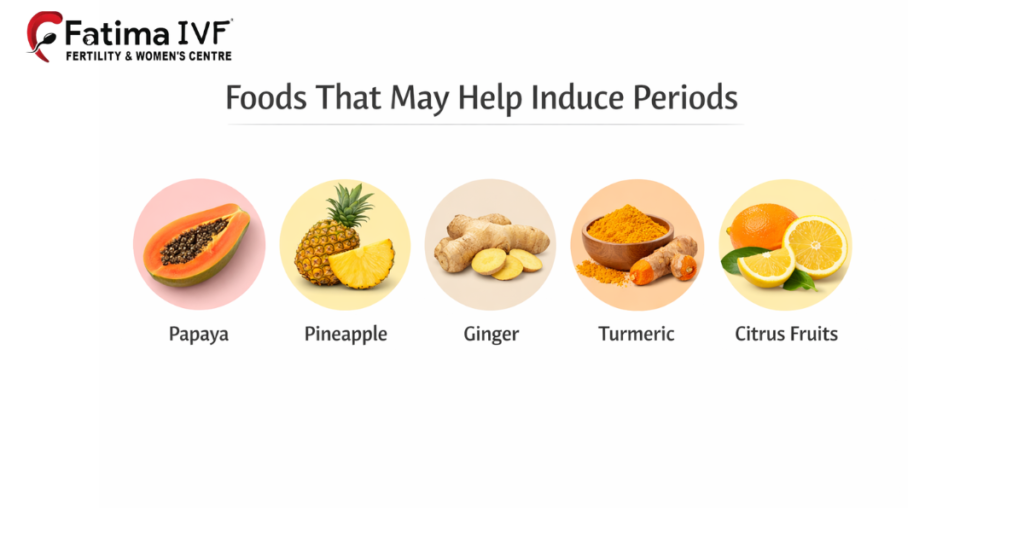
- Turmeric: A powerful anti‑inflammatory that can help reduce the inflammation often seen with hormonal imbalances.
- Cinnamon: Helps improve insulin sensitivity and adds natural sweetness without sugar.
- Ginger: Supports digestion and can help soothe menstrual discomfort.
Sprinkle these into your meals or enjoy them in warm teas.
Hormone Balancing Meal Plan for Women
This sample meal plan is a guide, not a strict rule. The goal is to show how easy and delicious hormone‑friendly eating can be.
Hormone Balancing Breakfast Ideas
- Vegetable omelet with spinach, mushrooms, and bell peppers, served with half an avocado.
- Berry smoothie made with unsweetened almond milk, a scoop of protein powder, a handful of spinach, and a tablespoon of flaxseed.
- Warm oatmeal topped with walnuts, cinnamon, and fresh berries.
Lunch for Stable Blood Sugar
- Big salad with mixed greens, grilled chicken or chickpeas, avocado, cucumber, and a drizzle of olive oil and lemon.
- Lentil soup with a side of roasted broccoli and a small whole‑grain roll.
- Quinoa bowl with roasted vegetables, a hard‑boiled egg, and a sprinkle of pumpkin seeds.
Healthy Snacks
- Apple slices with almond butter
- A small handful of walnuts and a few dark chocolate chips
- Carrot and cucumber sticks with hummus
- Plain yogurt with a few fresh berries
Light Dinner Options
- Baked white fish with steamed asparagus and a small sweet potato.
- Vegetable stir‑fry with tofu, broccoli, bell peppers, and a ginger‑turmeric sauce, served over cauliflower rice.
- Warm roasted vegetable bowl with chickpeas, kale, and a tahini dressing.
Diet for PMS (Premenstrual Syndrome)
Many women experience physical and emotional changes in the days leading up to their period. The right foods can make a real difference.
What is PMS?
PMS refers to a group of symptoms that occur one to two weeks before your period. It is a natural response to the hormonal shifts of the menstrual cycle.
Symptoms of PMS
- Bloating and water retention
- Mood swings, irritability, or sadness
- Food cravings, especially for sweets or salt
- Breast tenderness
- Fatigue and trouble concentrating
Foods to Eat
- Complex carbohydrates: Whole grains, oats, and sweet potatoes help boost serotonin and ease mood swings.
- Calcium‑rich foods: Yogurt, leafy greens, and fortified plant milks can reduce bloating and mood symptoms.
- Magnesium‑rich foods: Bananas, dark chocolate, and pumpkin seeds help relieve cramps and improve sleep.
- Herbal teas: Chamomile or peppermint tea can be soothing.
Foods to Avoid
Reducing certain foods during the premenstrual phase can help you feel more comfortable. Instead of focusing on “bad” foods, think of it as choosing foods that make you feel lighter and calmer.
- Cut back on salt to reduce bloating.
- Limit caffeine, which can worsen breast tenderness and anxiety.
- Reduce added sugar to prevent energy crashes and cravings.
- Avoid highly processed foods, which often contain inflammatory oils and additives.
Lifestyle Tips to Balance Hormones Naturally
What you do outside the kitchen matters just as much as what you eat.
Sleep & Circadian Rhythm
Your body follows a natural 24‑hour cycle called the circadian rhythm. Hormones like cortisol, melatonin, and even reproductive hormones follow this rhythm. Going to bed and waking up around the same time each day helps keep your hormones in sync.
Create a calming bedtime routine: dim the lights, avoid screens an hour before sleep, and keep your bedroom cool and dark.
Stress Management
When you are under constant stress, your body produces cortisol. High cortisol can suppress other hormones, leading to irregular cycles, low energy, and weight gain.
Find small moments of calm throughout your day. Deep breathing, a short walk outside, listening to soft music, or simply taking five minutes to sit quietly can lower your stress load.
Exercise & Movement
Movement helps your body use insulin more effectively, reduces stress, and supports a healthy weight. The best exercise is the one you enjoy and can do consistently.
Aim for a mix of:
- Strength training (bodyweight exercises, resistance bands) to build muscle and improve metabolism
- Walking or light cardio to reduce stress without overtaxing your body
- Yoga or stretching to lower cortisol and promote relaxation
Listen to your body. Some days a gentle walk is enough; other days you may feel energized for something more active.
Hormonal Imbalance Treatment in Anna Nagar
If you have been struggling with symptoms that interfere with your daily life, you do not have to figure it out alone. At Fatima FertilityCenter, we offer compassionate care tailored to your unique needs.
Treatment Options
We begin by listening. Our specialists take the time to understand your symptoms, your health history, and your goals. We offer:
- Comprehensive evaluation to identify the root cause of your imbalance
- Personalized dietary and lifestyle guidance
- Medical support when needed, including safe and effective treatment options
Our approach is holistic: we combine the best of modern medicine with the wisdom of nutrition and lifestyle care.
Diet vs Medication
A hormone‑balancing diet is a powerful foundation, but it is not always the whole answer. Some women need medication to help regulate their cycles, manage thyroid function, or address underlying conditions. At Fatima Fertility Center, we help you find the right balance—supporting your body with nutrition while providing medical care when necessary.
When to See a Specialist
You should consider speaking with a specialist if:
- Your periods are consistently irregular or very painful
- You have been trying to conceive for more than a year without success
- Your PMS symptoms are severe enough to disrupt your work or relationships
- You have unexplained weight changes, persistent acne, or excessive hair growth
You do not need a “perfect” moment to seek help. If something feels off, trust that instinct and reach out.
When to See a Doctor
While diet and lifestyle changes can bring significant improvements, some situations call for professional care. If you have been experiencing persistent symptoms—such as heavy bleeding, severe mood changes, or prolonged fatigue—it is wise to get a thorough evaluation.
At Fatima Fertility Center, we are here to support you with expert guidance in a warm, welcoming environment. A proper diagnosis can give you clarity and a clear path forward.
Conclusion
Your hormones are not mysterious forces beyond your control. They respond to what you eat, how you move, and how you care for your mind and body. Small, consistent steps—choosing whole foods, getting quality sleep, managing stress—can create a ripple effect that restores balance and helps you feel like yourself again.
If you are experiencing persistent symptoms or simply want expert guidance on your journey, Fatima Fertility Hospital is here for you. Our team offers the support, understanding, and personalized care you deserve. You do not have to navigate this alone.