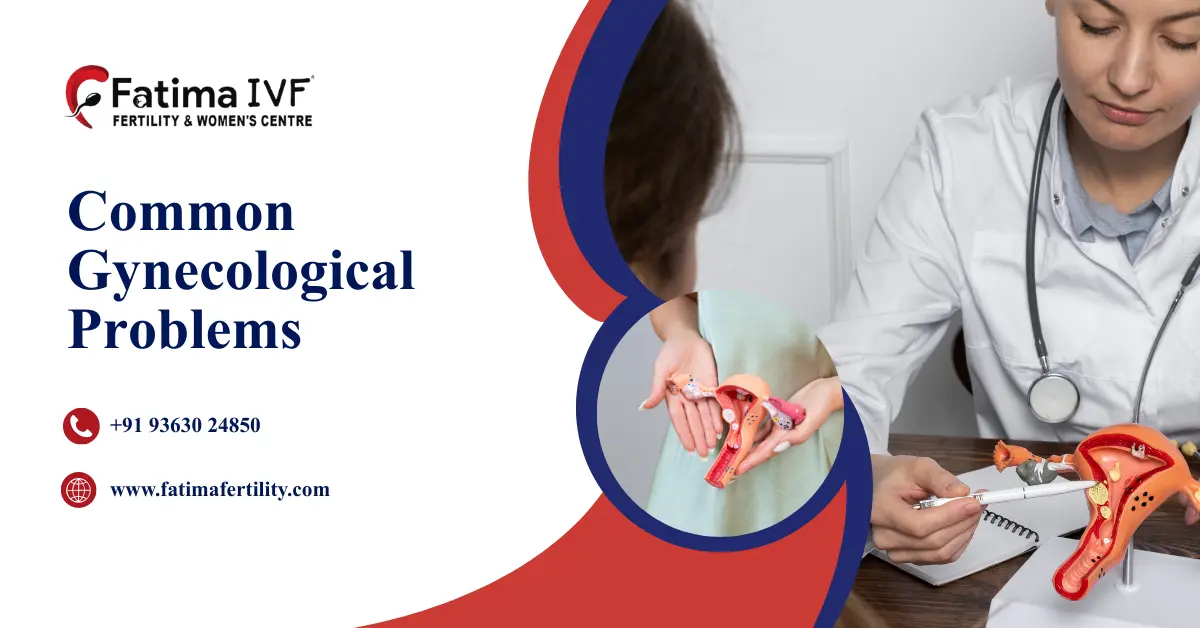
Common gynecological problems are health conditions that affect the female reproductive system, including the uterus, ovaries, fallopian tubes, cervix, and vagina. These concerns can appear at any stage of life—from the first menstrual cycle to post-menopause—and may influence periods, hormonal balance, fertility, and daily comfort. Being aware of common gynecological problems empowers women to identify warning signs early, take control of their health, and avoid future complications.
Specialized women’s healthcare centres like Fatima IVF Fertility & Women’s Centre play a crucial role in this journey by offering focused evaluation, advanced diagnostics, and personalized treatment plans. With a multidisciplinary approach that blends gynecology and fertility care, such centers help women manage conditions effectively, protect reproductive health, and make informed decisions at every life stage no guesswork, just science-backed care.
Most Common Gynecological Diseases
Gynecological diseases are common health conditions that affect the female reproductive system. Many of these conditions are frequently seen in clinical practice and impact women of all ages worldwide. Early diagnosis and appropriate treatment are essential to prevent complications such as chronic pain, hormonal imbalance, and fertility issues.
Below are some of the most common gynecological diseases:
1. Polycystic Ovary Syndrome (PCOS)
PCOS is a hormonal disorder characterized by irregular menstrual cycles, excess androgen (male hormone) levels, and multiple small cysts in the ovaries. It can lead to symptoms such as weight gain, acne, excessive hair growth, and difficulty conceiving. PCOS is a leading cause of infertility and requires long-term management.
2. Uterine Fibroids
Uterine fibroids are non-cancerous growths that develop in or around the uterus. They can cause heavy menstrual bleeding, pelvic pressure, frequent urination, and reproductive challenges. While some fibroids cause no symptoms, others may require medical or surgical treatment.
3. Endometriosis
Endometriosis occurs when tissue similar to the uterine lining grows outside the uterus, commonly affecting the ovaries, fallopian tubes, and pelvic lining. This condition often causes severe menstrual pain, chronic pelvic pain, and infertility. Early treatment can help manage symptoms and improve quality of life.
4. Pelvic Inflammatory Disease (PID)
PID is an infection of the female reproductive organs, usually caused by untreated sexually transmitted infections. Symptoms may include pelvic pain, abnormal vaginal discharge, fever, and painful intercourse. If left untreated, PID can lead to infertility and chronic pelvic pain.
5. Ovarian Cysts
Ovarian cysts are fluid-filled sacs that form on or inside the ovaries. Many cysts are harmless and resolve on their own, but some can cause pelvic pain, bloating, or irregular periods. In certain cases, medical monitoring or surgical intervention may be necessary.
6. Vaginal Infections
Common vaginal infections include yeast infections, bacterial vaginosis, and trichomoniasis. These conditions may cause itching, abnormal discharge, odor, and discomfort. Prompt diagnosis and treatment are important to prevent recurrent infections and complications.
7. Menstrual Disorders
Menstrual disorders include irregular periods, heavy bleeding (menorrhagia), painful periods (dysmenorrhea), and absent menstruation (amenorrhea). These issues can result from hormonal imbalances, stress, underlying medical conditions, or structural abnormalities and may affect fertility and daily life.
These Most Common Gynecological Diseases vary in severity but often require medical evaluation to prevent complications related to fertility and chronic pain.
Symptoms of Gynecological Problems
Recognizing early warning signs is critical. Symptoms of Gynecologial problems may differ based on the condition but commonly include:
- Irregular or heavy menstrual bleeding
- Pelvic or lower abdominal pain
- Pain during intercourse
- Abnormal vaginal discharge or odor
- Missed periods or excessive cramping
- Unexplained fatigue or bloating
Persistent Symptoms of Gynecologial problems should never be ignored, as they may indicate underlying gynecological diseases requiring treatment.
Causes and Risk Factors
Several factors contribute to Common Gynecological Problems, including:
- Hormonal imbalances
- Genetic predisposition
- Poor menstrual hygiene
- Obesity and sedentary lifestyle
- Stress and unhealthy diet
- Sexually transmitted infections
These risk factors increase the likelihood of developing gynecological diseases and treatment becomes essential to avoid long-term health issues.
Importance of Early Treatment
Early diagnosis plays a crucial role in managing Common Gynecological Problems effectively. Prompt medical attention helps:
- Prevent disease progression
- Reduce chronic pain and complications
- Preserve fertility
- Improve quality of life
Timely Gynecological diseases and treatment plans ensure better outcomes and reduce the need for invasive procedures.
When Should You Consult a Gynecologist?
You should consult a gynecologist if you experience:
- Persistent pelvic pain
- Irregular or painful periods
- Difficulty conceiving
- Recurrent infections
- Abnormal bleeding
Early consultation ensures accurate diagnosis and appropriate Gynecological diseases and treatment before conditions worsen.
Conclusion
Common gynecological problems are far more common than most women assume, but the good news is—they’re highly manageable when caught early. Paying attention to symptoms, knowing personal risk factors, and not delaying medical consultation can make a real difference in outcomes. Early intervention helps prevent complications, protects fertility, and supports overall reproductive health.
Trusted healthcare providers like Fatima IVF Fertility & Women’s Centre play a vital role by offering specialized women-centric care, accurate diagnosis, and tailored treatment under one roof. With expert guidance and a patient-first approach, such centers enable women to move from uncertainty to clarity taking confident control of their long-term health, not just managing problems, but staying ahead of them.