
Safety Rate
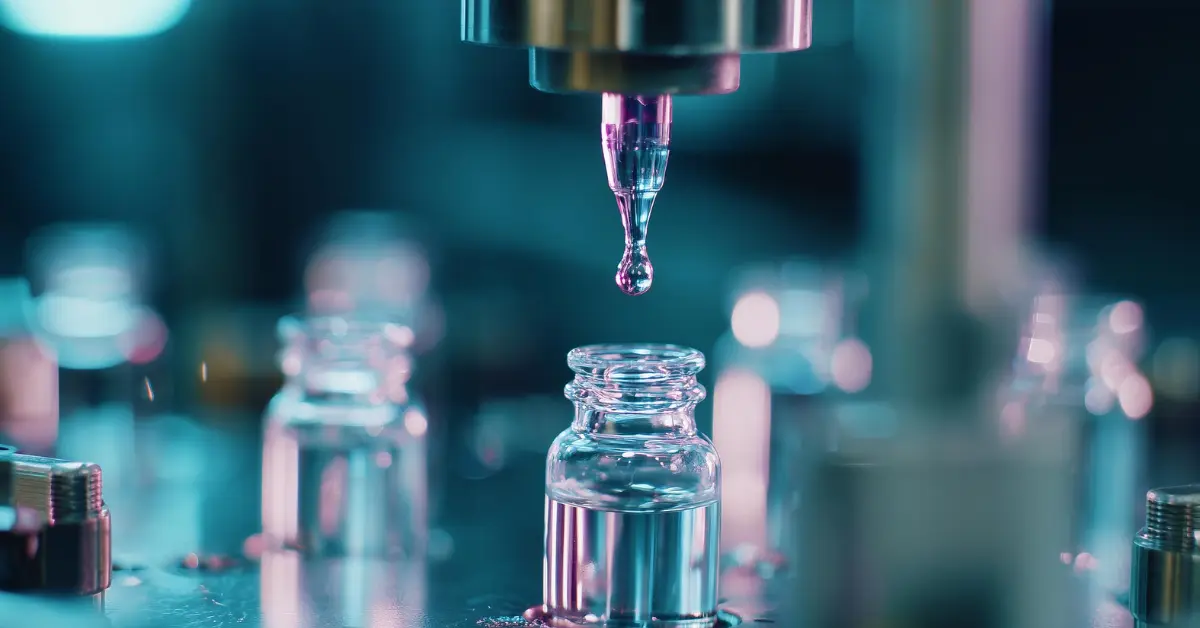
Traditional IVF processes require multiple manual steps — from sperm washing to embryo handling. Each step introduces potential damage, environmental exposure, or human error. Microfluidics in IVF eliminates much of this by automating and miniaturizing these functions within sealed, sterile chips.
Here’s what makes it stand out:
The system uses tiny channels that control how fluids move and interact. Think of them as microscopic roadways directing sperm and eggs through gentle currents. These channels simulate the fallopian tubes’ physical environment: layered flow, specific pressures, and biologically natural movement.
Inside the chip:
This entire setup reduces lab intervention and keeps cell conditions as close to nature as possible. By leveraging Microfluidics in IVF, embryologists get cleaner samples, stronger gametes, and more consistent results.
A new generation of IVF centers are adopting this technology because it directly impacts success rates. Today’s couples expect clarity, transparency, and better outcomes — and Microfluidics in IVF delivers exactly that.
For couples with unexplained infertility, male-factor issues, repeat IVF failures, or embryo quality concerns, microfluidic-assisted IVF can be a turning point.
While the technology benefits nearly all IVF patients, certain groups see even stronger improvements:
Over the next decade, IVF labs will shift to automated, micro-scaled systems to standardize embryo creation. Microfluidics reduces human involvement, improves gamete safety, and enhances embryo quality all crucial in modern assisted reproduction. With precision, automation, and natural-style selection, the future of fertility care is shaping up to be smarter, more efficient, and more reliable.
Microfluidics in IVF isn’t just a trend it’s a turning point. It offers cleaner biology, stronger embryos, and better possibilities for couples chasing parenthood. As clinics continue to adopt this tech, success rates are expected to rise, giving hope to millions struggling with infertility.
Meet our experienced team of anaesthesiologists dedicated to your safety and comfort

Director

SENIOR EMBRYOLOGIST

JUNIOR EMBRYOLOGIST

FERTILITY COUNSELLOR
Microfluidics in IVF boosts success by selecting naturally motile, healthier sperm with lower DNA fragmentation. This improves fertilization, embryo quality, and blastocyst development. Since the system reduces manual handling, gametes stay protected from stress and contamination. The combination of natural selection and controlled micro-environments results in higher-quality embryos, increasing the chances of implantation and pregnancy.
Yes. Microfluidics in IVF is extremely safe because it mimics natural reproductive conditions and avoids harsh processes like centrifugation. Eggs, sperm, and embryos experience minimal physical stress. It is especially beneficial for male-factor infertility, repeated IVF failure, and couples seeking a more natural, low-intervention method. Its sealed, sterile design also reduces contamination risks in the lab.
Microfluidics in IVF can replace older techniques like swim-up and density-gradient methods because it selects sperm more accurately and with less stress. While clinics may combine approaches in complex cases, microfluidics offers superior DNA integrity and healthier sperm populations. It’s becoming the preferred choice worldwide due to its precision and natural-style selection process.
Take the first step toward parenthood. Book an appointment with our expert team to receive expert guidance, emotional support, and advanced fertility solutions designed just for you.